Want another chance to celebrate America's 250th and see a founding document in person?
Bring your students to see an early copy of the Constitution, on display at the Museum and Memorial from Veterans Day (Nov. 11, 2026) to Memorial Day (May 31, 2027). This 1787 printing is one of only 14 surviving copies from the Dunlap & Claypoole official run of 500, produced for Congress and the states.
Schedule a 60-minute or 30-minute time slot on its own or add it onto your field trip alongside our other galleries. The exhibition includes the Constitution itself, an interpretive panel and its connection to WWI – the war the U.S. entered to make the world safe for democracy.
Explore the connection between WWI and the Constitution
Explore these resources from the National WWI Museum and Memorial to connect the founding of the United States and WWI in your classroom:
Spirit of ‘17: The American Revolution in the Great War
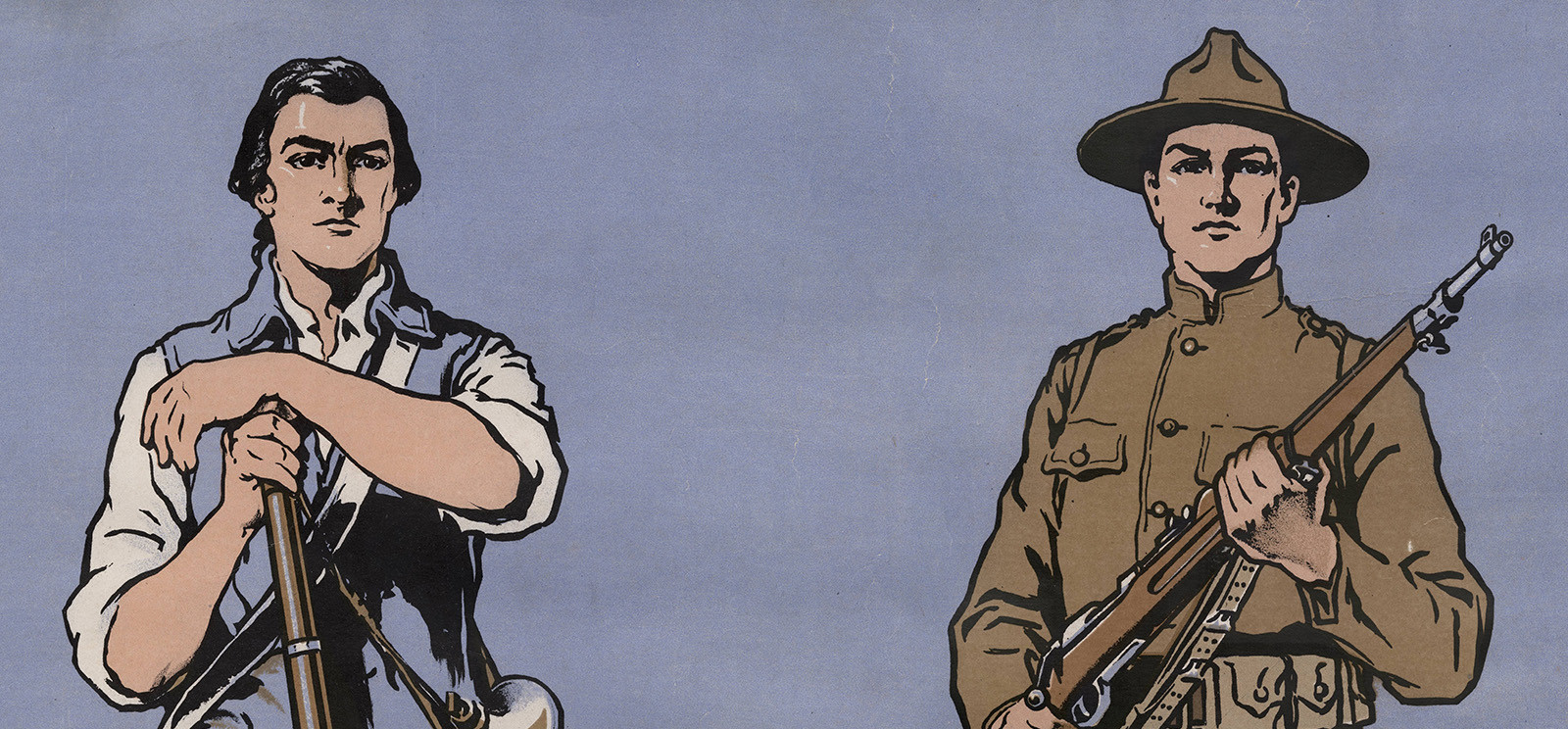
American entry to World War I in 1917 saw Americans connecting the conflict to Revolutionary ideals. The “spirit of ‘76” was revived to connect the conflict to liberty, duty and sacrifice, framing it as expression of national values, not simply a foreign conflict. Explore this digital exhibition to discover how the American Revolution shaped morale, identity and participation during World War I.
Educator Professional Development Series, America 250: Founding Ideals and WWI
World War I reshaped the United States – and the way the nation understood its Founding Ideals. Throughout America’s 250th commemoration, the National WWI Museum and Memorial invites teachers to explore how the Great War – a moment whose debates, divisions and aspirations echo powerfully in our own time – challenged, expanded and redefined the principles on which the nation was founded and that continue to shape our democracy today.
Explore these resources from the National Constitution Center to dive deeper into the Constitution, the framers and the Revolution.

-
Drafting Table
Explore key historical documents that inspired the Framers of the Constitution and each amendment during the drafting process, and the early drafts and major proposals behind each provision. Discover how the drafters deliberated, agreed and disagreed on the path to compromise and the final text.
-
Interactive Declaration Essay Library
Explore essays from leading scholars, historians, judges and thinkers examining the Declaration of Independence, the Constitution and the enduring principles that continue to shape American life. Through rigorous scholarship grounded in primary sources and a spirit of civil dialogue, these essays invite readers to engage deeply with the United States’ founding ideals, constitutional debates, and ongoing work of self-government.
-
Interactive Constitution
We selected two scholars for each clause with guidance from the American Constitution Society and the Federalist Society – leading U.S. legal organizations representing different perspectives on the Constitution. These experts explore areas of agreement and disagreement about the Constitution’s text and history, how it’s been interpreted over time, and what it means today.
-
Signers Biographies
Read 89 new biographies of the delegates who signed the Declaration of Independence and the Constitution, as compiled by leading historian Carol Berkin. Also included are the three delegates who declined to sign the Constitution.
-
First Amendment Religion Table
In this interactive exhibit, learn about individuals who have brought cases before the Supreme Court, shaping how we interpret the First Amendment.
-
First Amendment Protections Interactive
This interactive features scenarios based on First Amendment protections. You can decide whether something is protected or allowed.
-
Constitutional Rights: Origins and Travels
Explore the origins of Constitutional Rights and how those rights have been expressed around the world.
-
Federalist vs. Anti-Federalist Quiz
Explore arguments for and against the proposed Constitution and decide whether you agree or disagree. Would you have been a Federalist who argued in favor of the new framework, or would you have expressed concerns like the Anti-Federalists?
-
Patriot or Loyalist? Quiz
People living in the rebelling colonies faced a challenging choice: join the revolution with other Patriots or remain loyal to the British Crown. For some, political beliefs drove their decision. Others chose their allegiance based on concerns for their livelihood or freedom.