Built by Kansas Citians, Embraced by the Nation
Soon after World War I ended, Kansas City leaders formed the Liberty Memorial Association (LMA) to create a lasting monument to the men and women who had served in the war. In 1919, the LMA and citizens of Kansas City raised more than $2.5 million in just 10 days. The equivalent of more than $49 million today, this staggering accomplishment reflected the passion of public sentiment for the Great War that had dramatically changed the world.
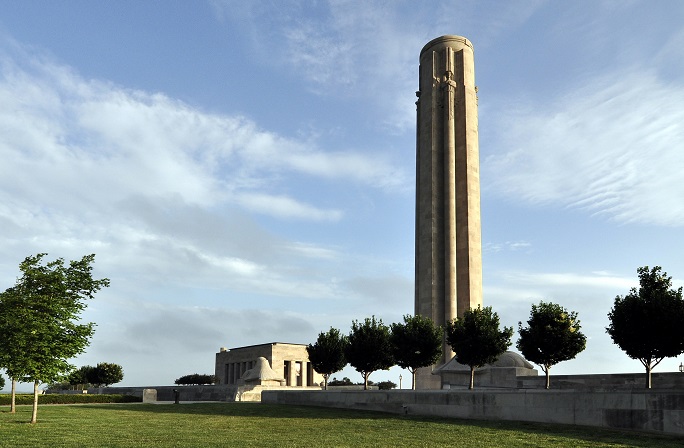
President Calvin Coolidge dedicated the Liberty Memorial in 1926.
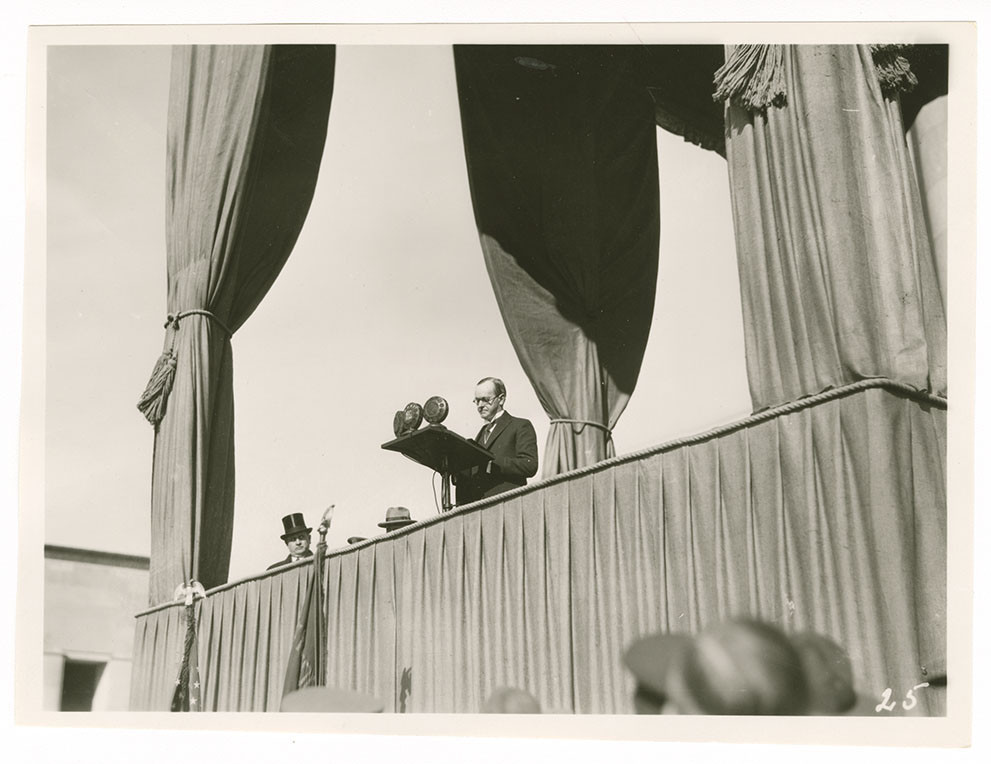
“It [The Liberty Memorial] has not been raised to commemorate war and victory, but rather the results of war and victory which are embodied in peace and liberty…. Today I return in order that I may place the official sanction of the national government upon one of the most elaborate and impressive memorials that adorn our country. The magnitude of this memorial, and the broad base of popular support on which it rests, can scarcely fail to excite national wonder and admiration.”
— Liberty Memorial Dedication Speech, President Calvin Coolidge, Nov. 11, 1926

Letter from the CEO
Over the years, President Coolidge’s words have proven prophetic. As we observe the centennial of the dedication of the Memorial in 2026, it stands as the global epicenter of remembrance, education and discourse surrounding the Great War. Its place has been secured over the years by the dedication and resilience of Kansas Citians and supporters from around the country and world. Having surmounted some difficult years in the 1990s, it has emerged stronger – gaining national status; building a nationally designated and widely recognized museum within its structure; and hosting more than 1 million visitors annually, as well as countless events, dignitaries and exhibitions.
The Centennial is more than a milestone. It’s a chance to remember, reflect, connect and recommit. It’s a call to stand together as storytellers, stewards and citizens to advance this legacy with purpose – into classrooms, conversations and communities around the world.
For the National WWI Museum and Memorial, and for all, it is a time to Remember Forward. The next chapter starts with us.
Matthew Naylor, PhD, CFRE
President and CEO, National WWI Museum and Memorial
A Century Ago
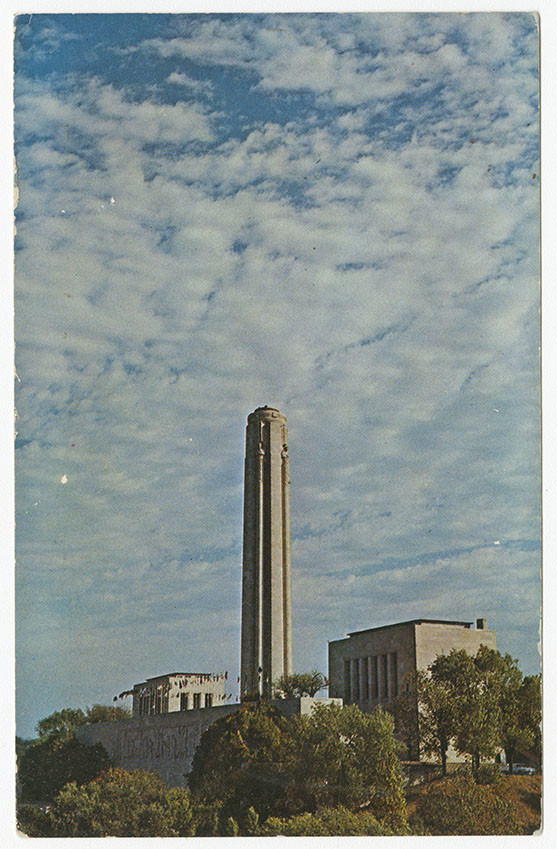
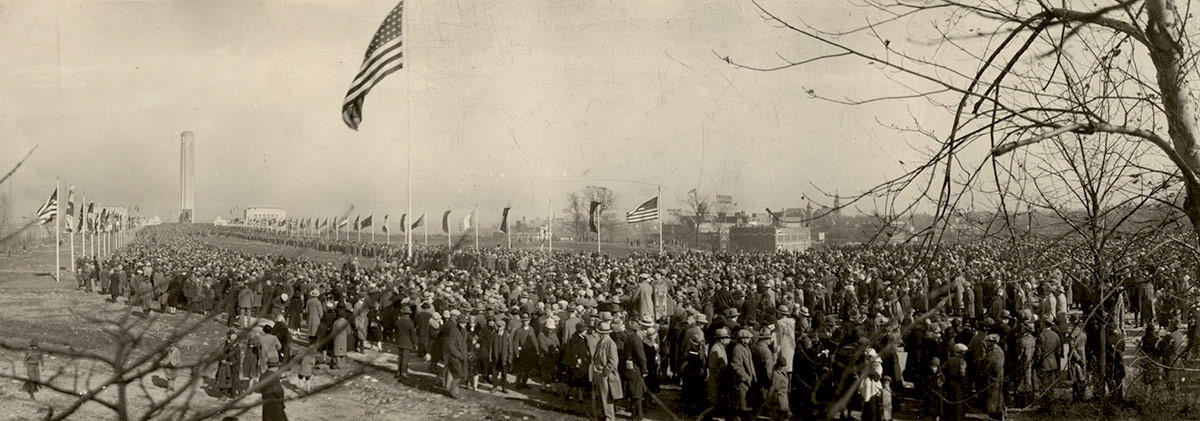
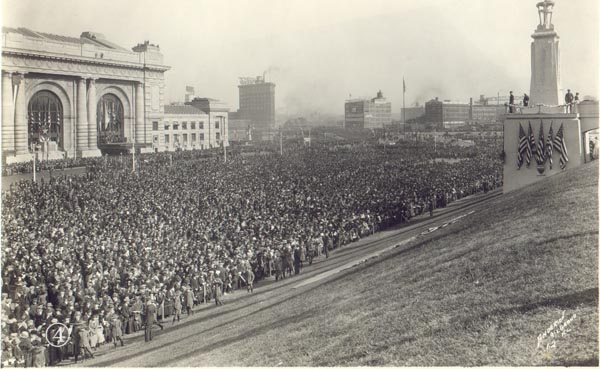
In 1921, more than 100,000 people gathered to see the supreme Allied commanders dedicate the site of the Liberty Memorial. This was the first time in history these five leaders were together in one place.
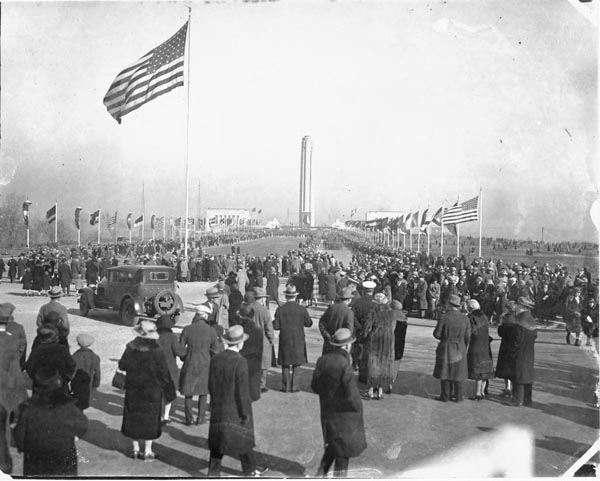
Construction on the classical Egyptian Revival-style monument was completed in 1926 and the Liberty Memorial was dedicated by President Calvin Coolidge in front of more than 150,000 people.
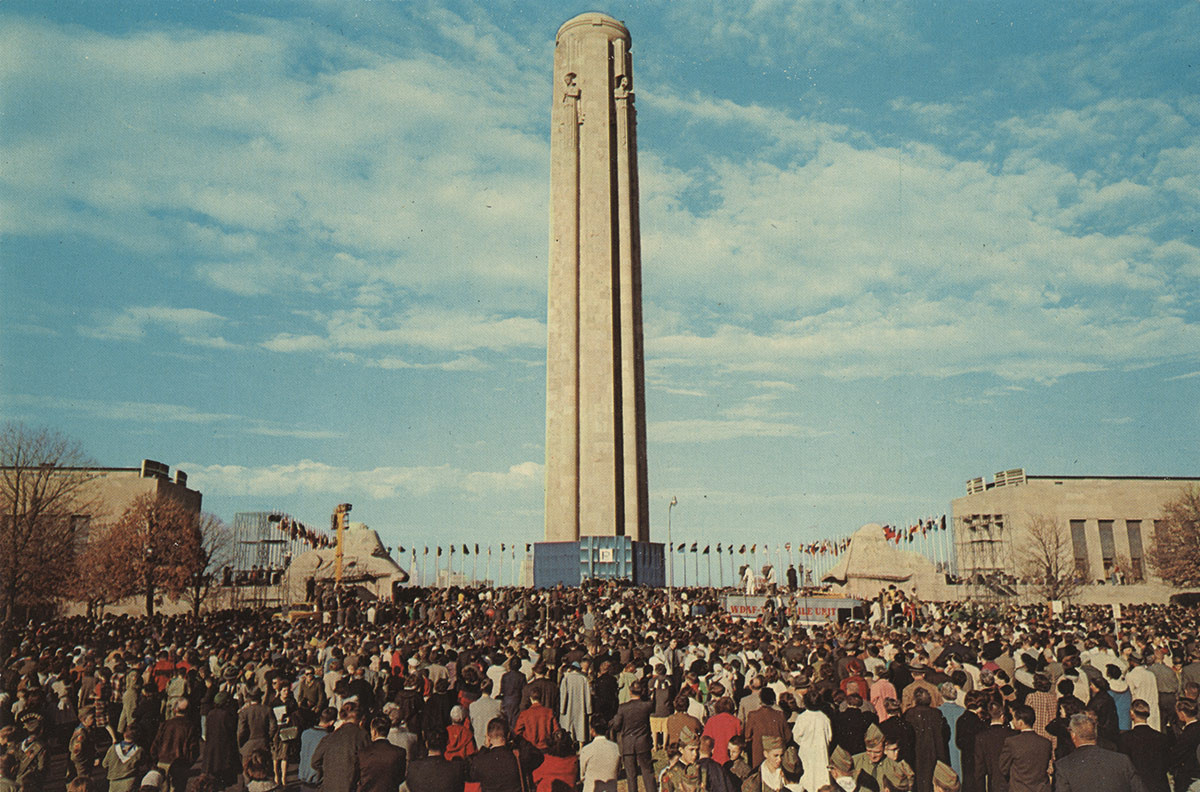
In the years following its unveiling, the Liberty Memorial proved to be a dynamic addition to Kansas City’s cultural offerings. Over time, however, the physical structure of the Liberty Memorial deteriorated, and it was closed in 1994 due to safety concerns.
Once again, Kansas Citians voiced their support for the Liberty Memorial and in 1998, they passed a limited-run sales tax to support the restoration. In addition to revitalizing the Memorial, plans took shape to expand the site by building a museum to better showcase the WWI-related objects and documents the LMA had been collecting since 1920.
Thanks to the support of the City of Kansas City, the State of Missouri, the United States Government, and generous individual donors, more than $102 million was raised for the restoration and expansion.
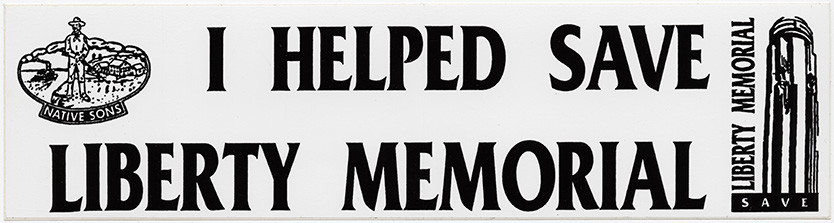
In 2004, the Museum and Memorial was designated by Congress as the nation's official World War I Museum, and construction started on a new 80,000-square-foot, state-of-the-art museum and the Edward Jones Research Center underneath the Liberty Memorial.
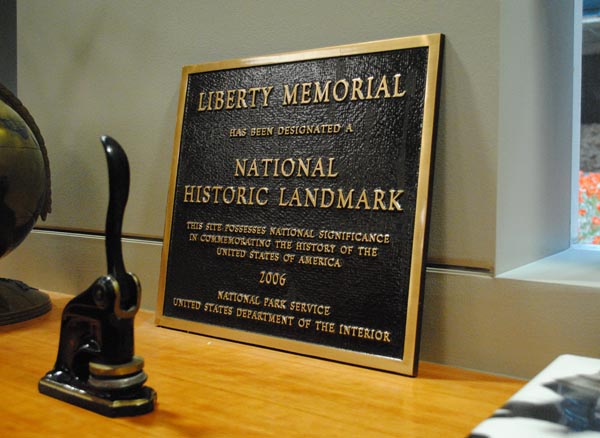
The Liberty Memorial was designated a National Historic Landmark on Sept. 20, 2006, recognizing the monument as a nationally significant historic property. It is a distinction given to less than 40 historic properties in Missouri and slightly more than 2,500 in the United States.
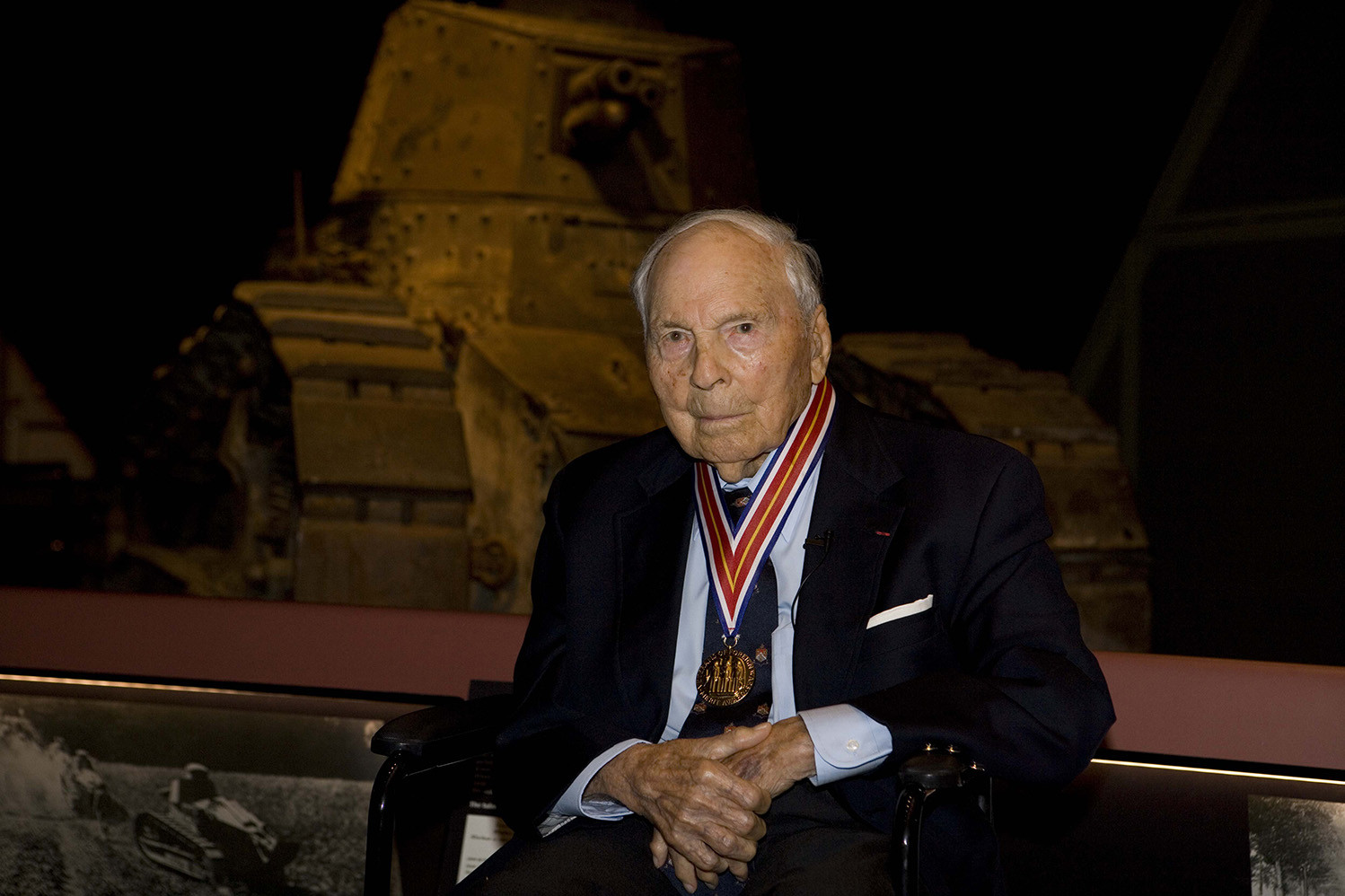
The National WWI Museum and Memorial opened in 2006 to national acclaim. Since then, millions have visited, including former Vice President Dick Cheney, General Colin Powell, President Barack Obama (as a presidential candidate in 2008), President Joe Biden (as a presidential candidate in 2020), Senator John McCain, Secretary of State Madeleine Albright, and actor and singer Kevin Costner. Additionally, Frank Buckles, America's last surviving WWI veteran, visited the Museum and Memorial over Memorial Day weekend in 2008.
In 2014, the Museum and Memorial received a second designation from Congress, effectively recognizing it as the National WWI Museum and Memorial.
“The National WWI Museum and Memorial is America's museum dedicated to remembering, interpreting and understanding the Great War and its enduring impact on the global community.”
— Mission Statement, National WWI Museum and Memorial
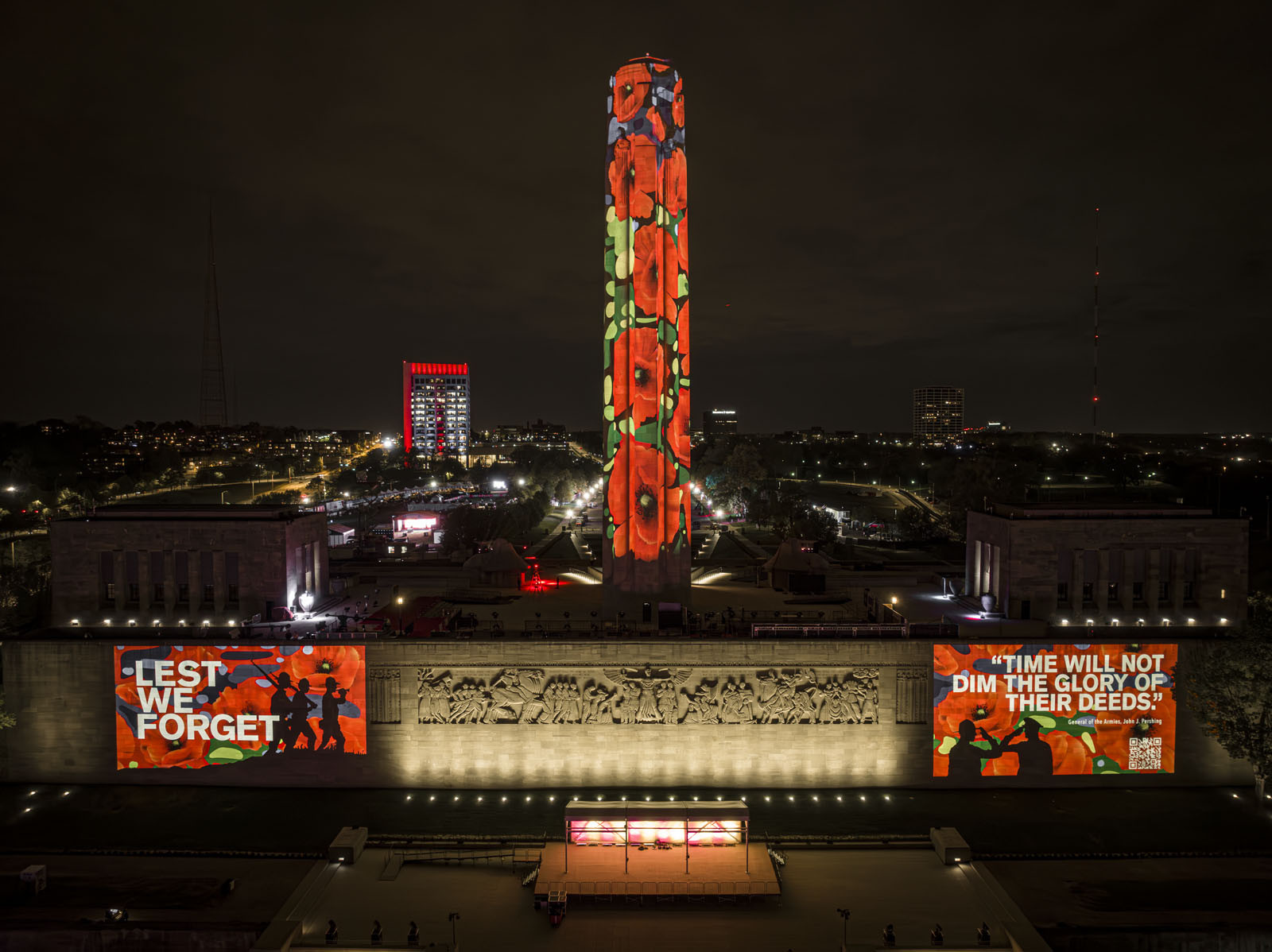
Today, the Museum and Memorial operates as a non-profit organization dedicated to honoring those who served in the Great War by:
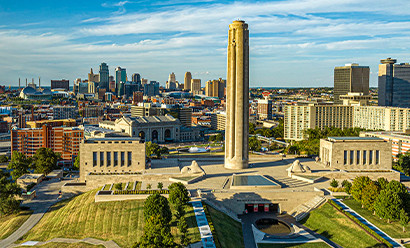
Maintaining the Liberty Memorial as a beacon of freedom and a symbol of the courage, patriotism, sacrifice and honor of all who served in World War I.
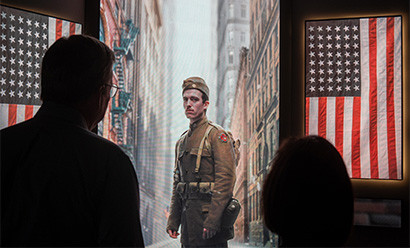
Interpreting the history of World War I to encourage public involvement and informed decision-making.
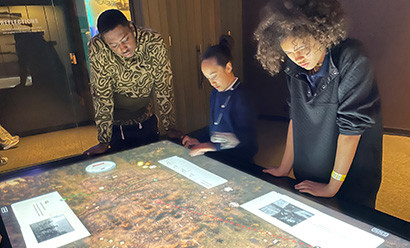
Providing exhibitions and educational programs that engage diverse audiences.
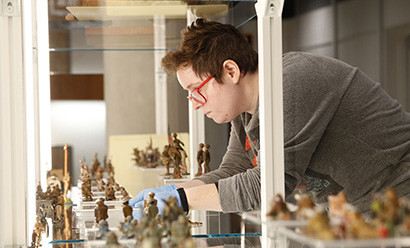
Collecting and preserving historical materials with the highest professional standards.
Envisioning a Lasting Monument
Interactive timeline showing 14 events, one at a time. Use the previous and next buttons, or the left and right arrow keys, to move between events. The timeline navigation below lets you jump to any event.
-
Guns Are Silenced
An Armistice is declared to end the fighting in World War I.
-
Envisioning a Lasting Monument
Just two weeks after the Armistice, Kansas City leaders meet to discuss the need for the creation of a lasting monument to the men and women who had served in the War, and most notably to those who had died.
“From its inception it was intended that this Memorial should represent on the part of all people, a living expression for all time of the gratitude of a grateful people to those who offered and who gave their lives in defense of liberty and our country.”
- R. A. Long, founding president of the Liberty Memorial Association
-
Kansas Citians Band Together
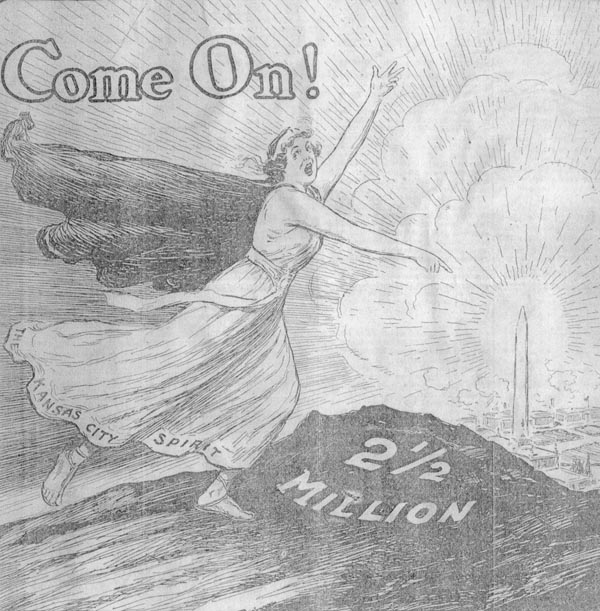
A community-based fundraising drive, organized and led by the Liberty Memorial Association, raises more than $2.5 million in just ten days. This staggering accomplishment for the time reflected the passion of public sentiment for the Great War that had dramatically changed the world.
-
Who Will Design?
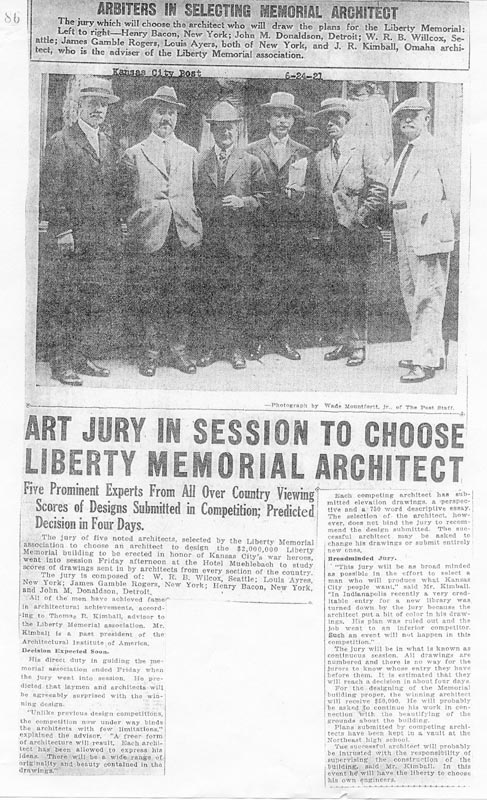
The Kansas City Chapter of the American Institute of Architects holds a national architectural competition to choose a design for the Memorial.
-
And the Winner Is…
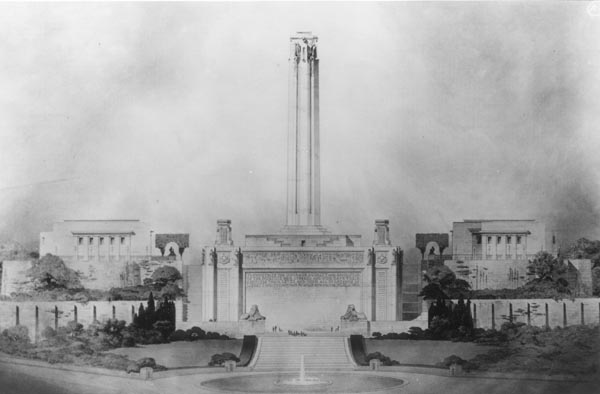
The competition results in the selected design by architect H. Van Buren Magonigle.
-
Site Dedication Day
The site for the Liberty Memorial is dedicated in front of a crowd of more than 100,000 people. In attendance are the main Allied commanders: Lieutenant General Baron Jacques of Belgium; General Armando Diaz of Italy; Marshal Ferdinand Foch of France; General John J. Pershing of the United States; and Admiral Lord David Beatty of Great Britain. This is the first time in history these leaders are together in one place.
-
Memorial is Completed
After three years of construction, the Liberty Memorial is completed. President Calvin Coolidge delivers the dedication speech to a crowd of 150,000 people.
-
Dedication of North Frieze
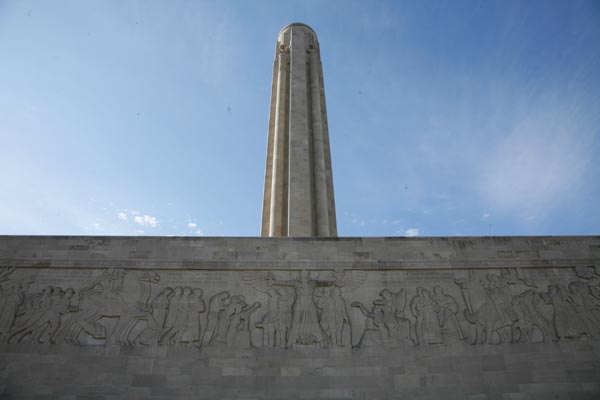
"These have dared bear the torches of sacrifice and service. Their bodies return to dust but their work liveth evermore. Let us strive on to do all which may achieve and cherish a just and lasting peace among ourselves and with all nations." – Inscription on North Frieze
-
Memorial Closes
The Liberty Memorial is closed due to safety concerns from deteriorated infrastructure.
-
Kansas Citians Vote to Restore
Citizens of Kansas City pass a half-cent sales tax for 18 months to support the restoration of the Liberty Memorial. Plans begin to build a new museum to display the WWI-related objects and documents the Liberty Memorial Association (LMA) had collected since 1920.
-
America’s Official Museum
The Museum is designated by the 108th Congress as the United States’ official World War I Museum
-
National Historic Landmark
The National World War I Museum at Liberty Memorial receives the distinction of National Historic Landmark.
-
Museum Opens
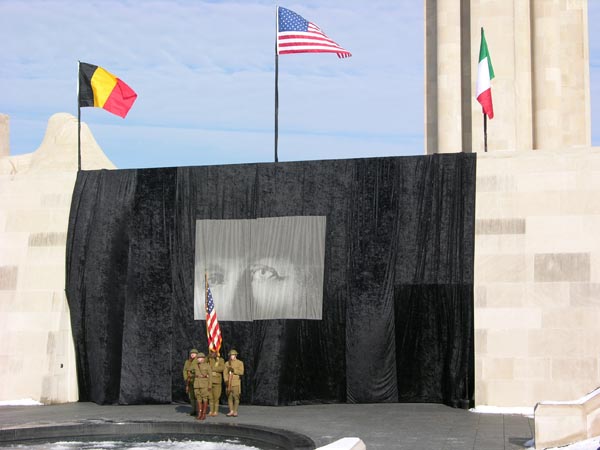
The National World War I Museum at Liberty Memorial opens to the public.
-
Memorial Recognized by Congress
President Barack Obama signed legislation passed by Congress that designated the Liberty Memorial as a national World War I memorial with the same level of distinction as memorials such as the National World War II Memorial and the Vietnam Veterans Memorial on the National Mall in Washington, D.C. The legislation effectively renamed the organization as the “National World War I Museum and Memorial.”
Centennial Honorary Chairs
Chairmen of the Joint Chiefs of Staff
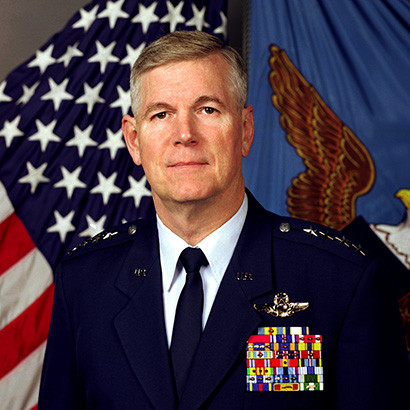
General Richard Myers, 15th Chairman of the Joint Chiefs of Staff
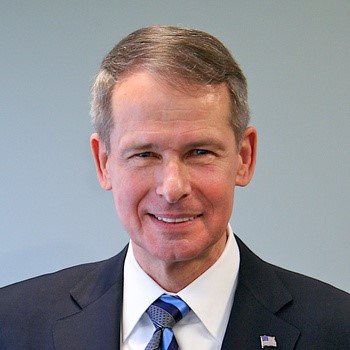
General Peter Pace, 16th Chairman of the Joint Chiefs of Staff
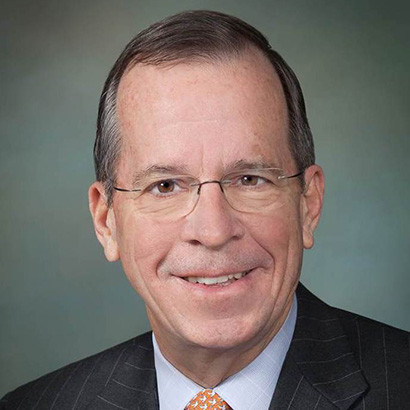
Admiral Mike Mullen, 17th Chairman of the Joint Chiefs of Staff
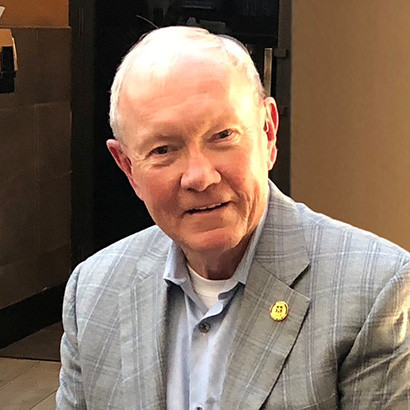
General Martin Dempsey, 18th Chairman of the Joint Chiefs of Staff
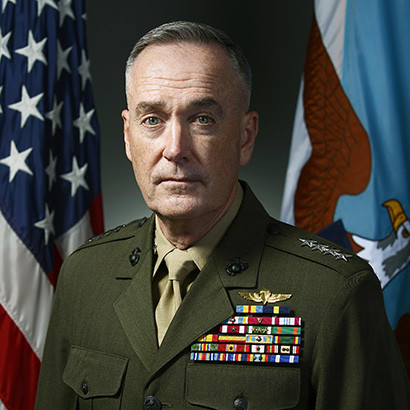
General Joseph Dunford, 19th Chairman of the Joint Chiefs of Staff
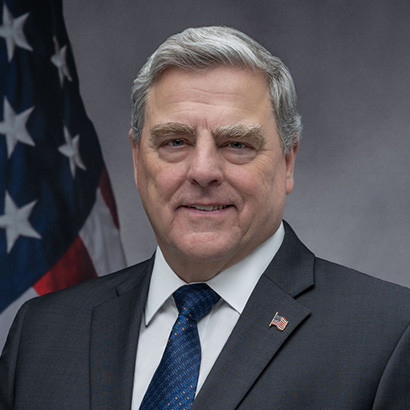
General Mark Milley, 20th Chairman of the Joint Chiefs of Staff
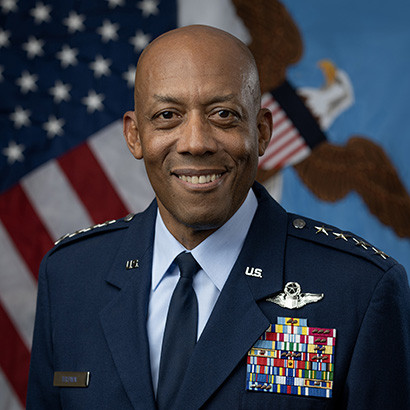
General Charles Q. Brown, Jr., 21st Chairman of the Joint Chiefs of Staff
Diplomacy Council
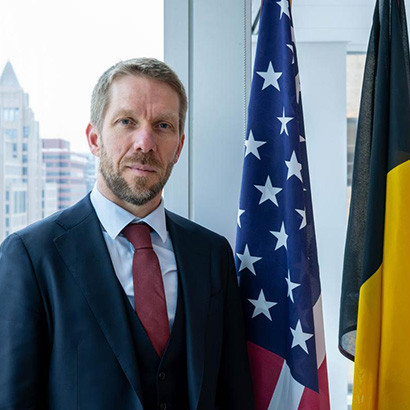
Ambassador Frédéric Bernard (Belgium)
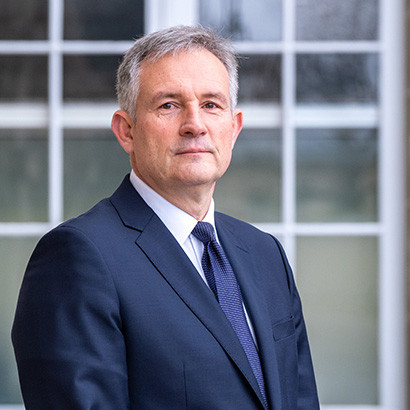
Ambassador Laurent Bili (France)
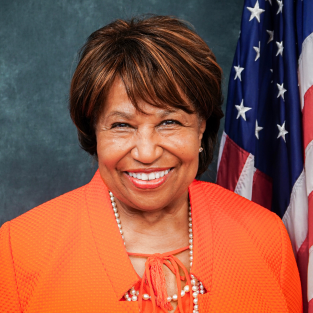
Ambassador Carol Moseley Braun (U.S.)
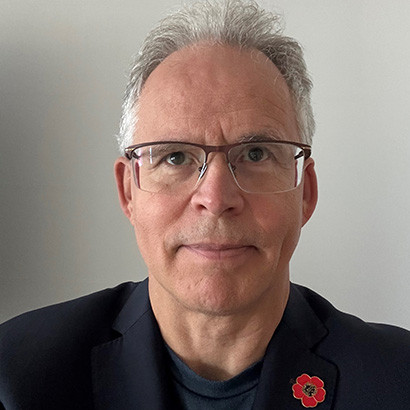
Paul Hegge, General Representative of the Government of Flanders to the USA
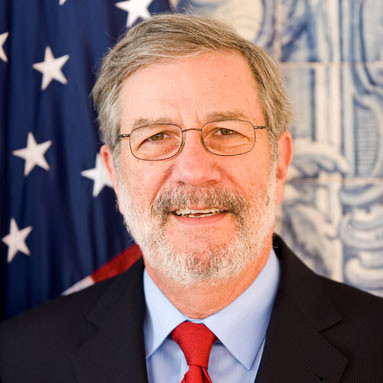
Ambassador Allan Katz (U.S.)
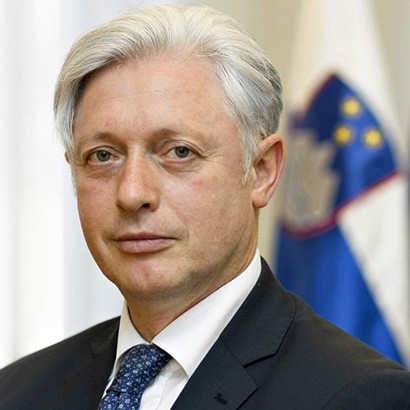
Ambassador Iztok Mirošič (Slovenia)
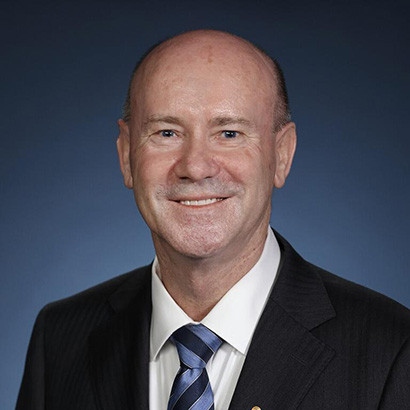
Ambassador Greg Moriarty (Australia)
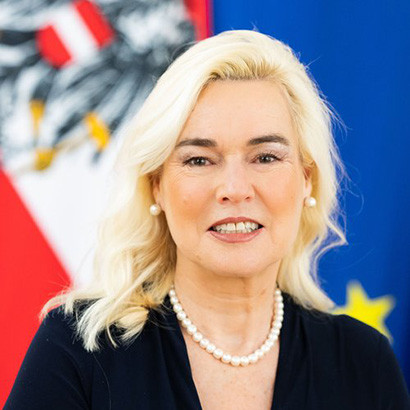
Ambassador Petra Schneebauer (Austria)
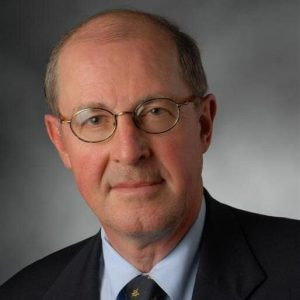
Ambassador Tod Sedgwick (U.S.)

Ambassador Chris Seed (New Zealand)
Carol Whitmore (VFW)
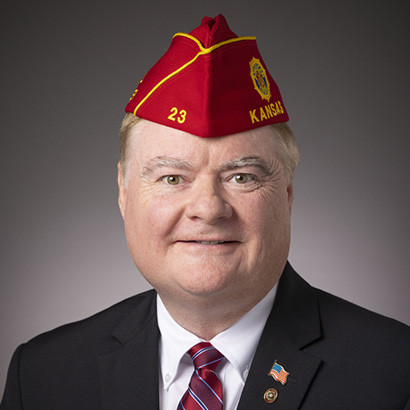
Dan Wiley (American Legion)
Congressional Champions
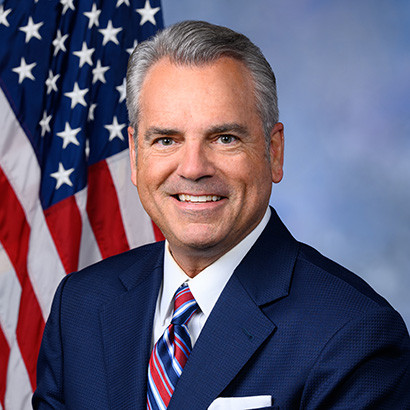
Congressman Mark Alford (R – MO, 4th)
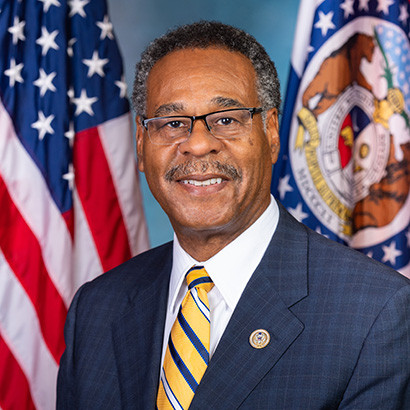
Congressman Emanuel Cleaver (D – MO, 5th)
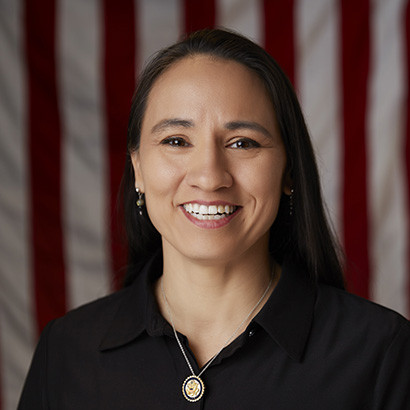
Congresswoman Sharice Davids (D – KS, 3rd)
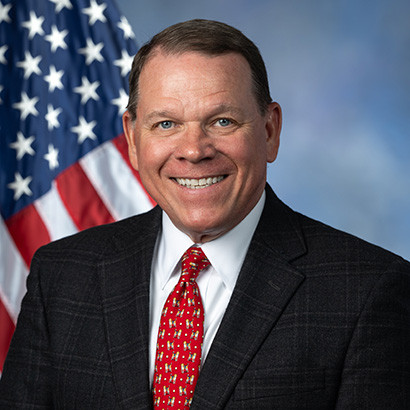
Congressman Sam Graves (R – MO, 6th)
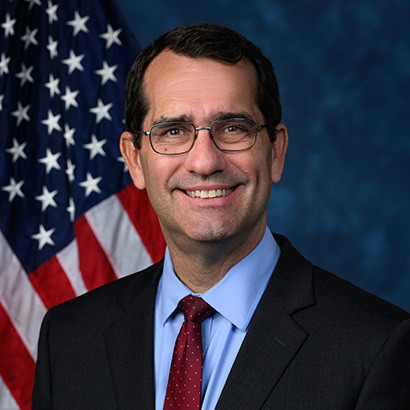
Congressman Derek Schmidt (R – KS, 2nd)
Kansas City Civic Honorary Cabinet
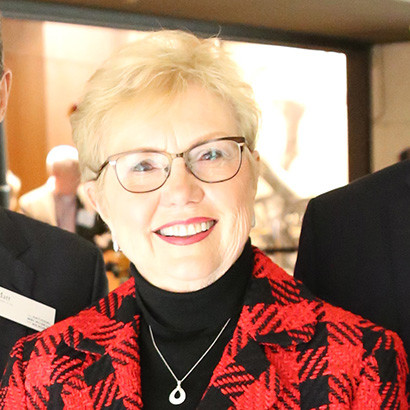
Kay Barnes
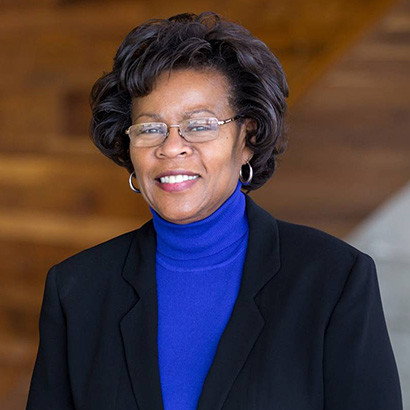
Karen Daniel

Sheila Kemper Dietrich
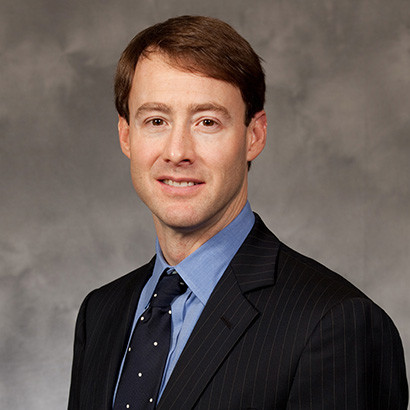
Allen Dillingham
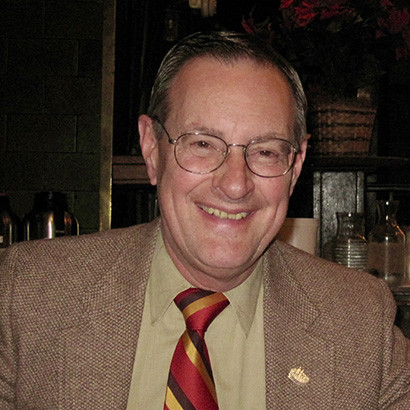
John Dillingham
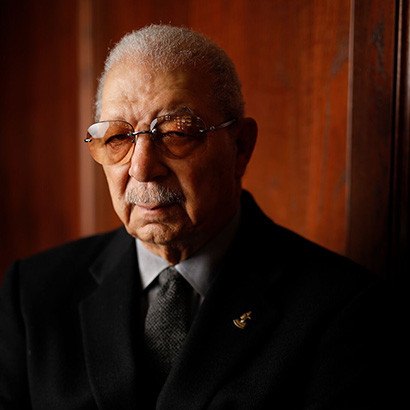
Ollie Gates
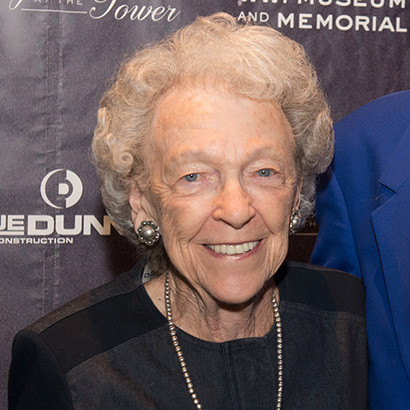
Anita Gorman
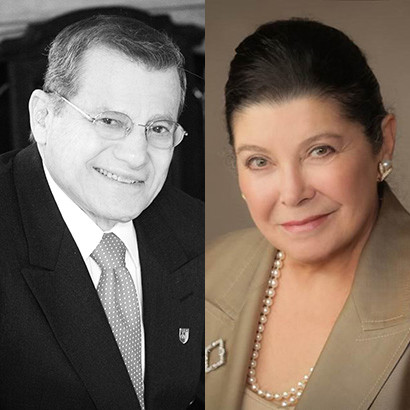
Barnett and Shirley Helzberg
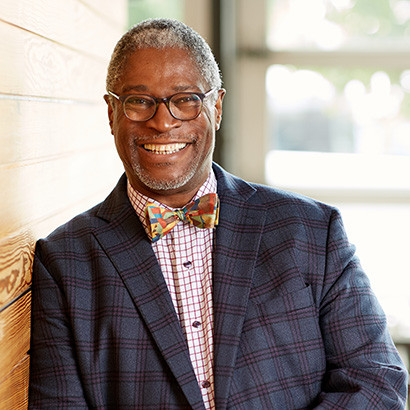
Sly James
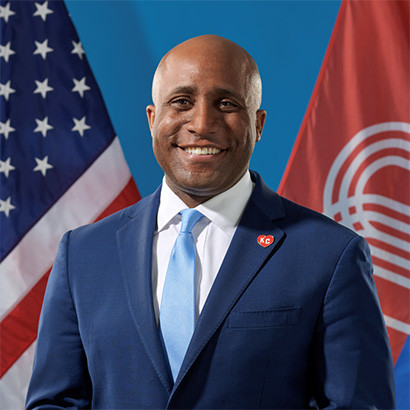
Mayor Quinton Lucas
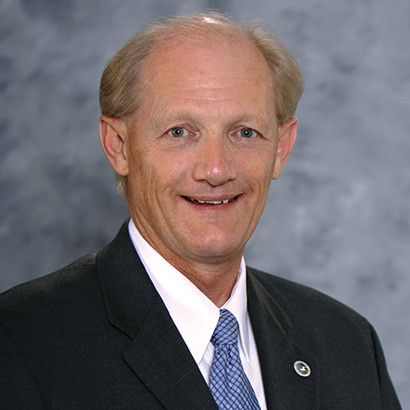
Mark McHenry
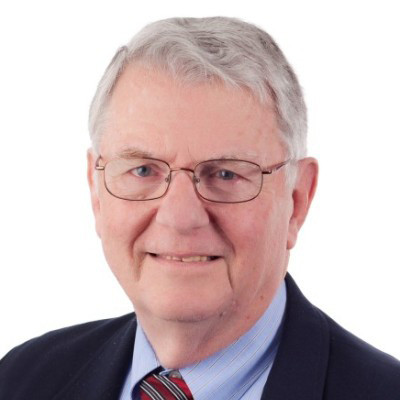
David Mecklenburg
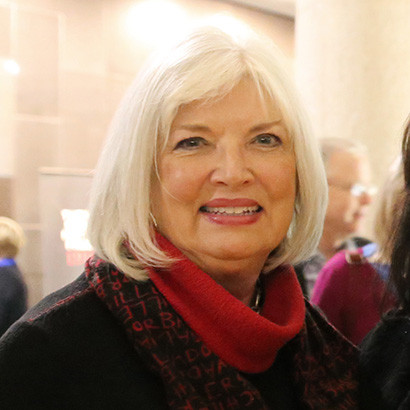
Sandra Mellinger
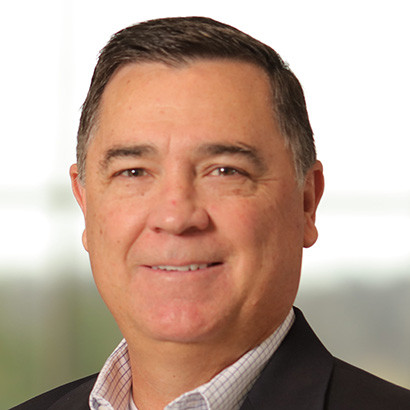
Kent Sunderland
Centennial Supporters
Centennial Sponsors











Centennial Brand Partners