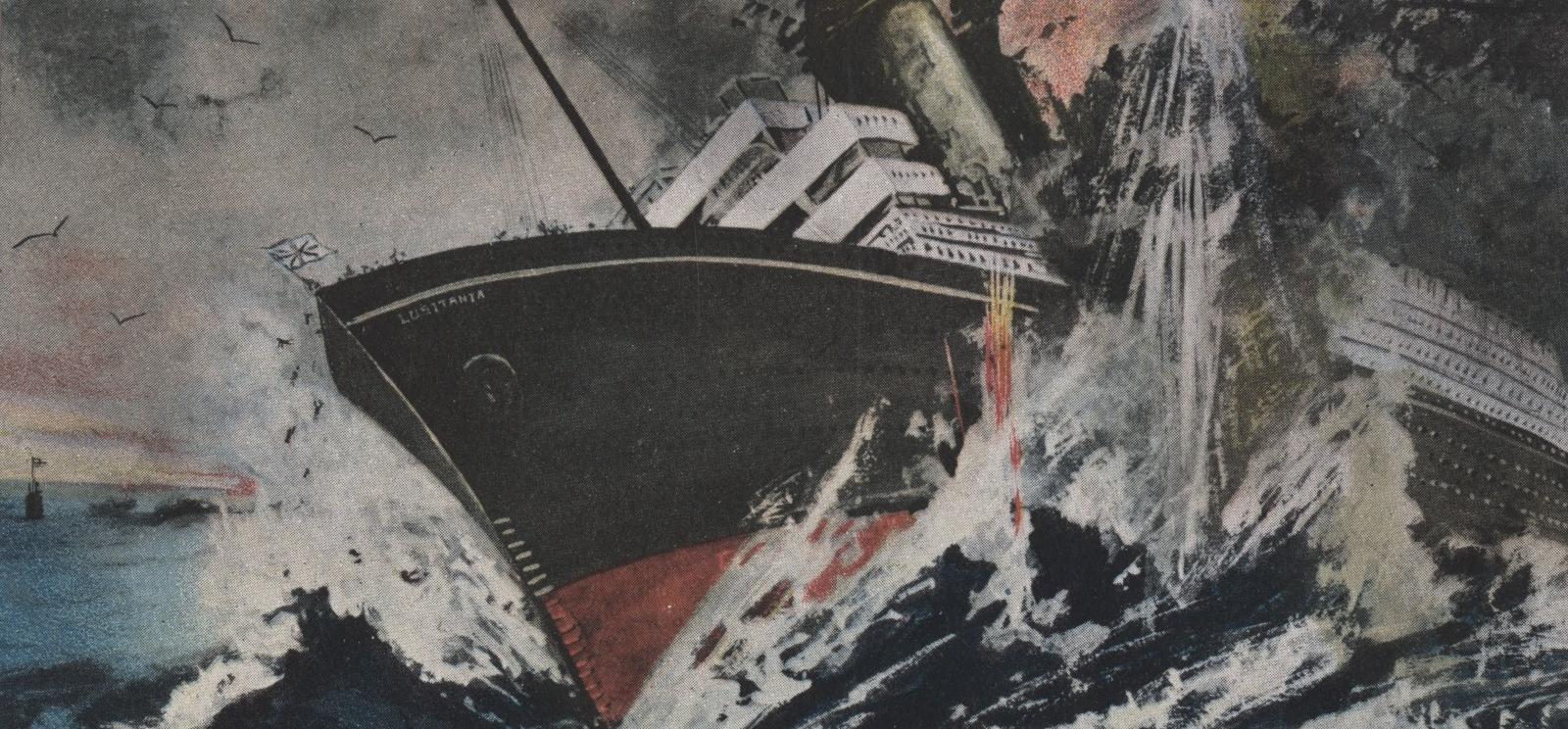
On the afternoon of May 7, 1915, the British ocean liner RMS Lusitania was sailing off the southern coast of Ireland when a German submarine fired a torpedo at it – and struck. The ship sank in less than twenty minutes. Nearly 1,200 passengers and crew lost their lives, including 128 Americans.
This tragedy shocked the world. Newspapers filled their front pages with images of the victims and their grieving families. Many Americans wondered: How could this happen to a civilian ship – and should the United States go war?
A ship that represented modern life
Before World War I, passenger ships like Lusitania symbolized progress and represented the height of modern travel – fast, luxurious and widely believed to be safe. Ocean liners carried families, immigrants, business travelers and mail across the Atlantic Ocean in comfort and speed. When war broke out in 1914, few civilians imagined they would become targets of war. Even at sea, long-standing rules of engagement were supposed to protect civilians.
In war, these are the rules nations are supposed to use to guide how and when they can use military force.

A new kind of warfare
Germany faced a significant problem. The island nation of Great Britain depended on overseas imports, and its navy controlled global waterways. The British Navy was the largest and most powerful in the world and soon set up a blockade to keep essential supplies from reaching German ports.
Germany answered with the submarine, refined into a new kind of weapon: the Unterseeboot, or “U-boat.” Despite having a smaller navy, the German military could use U-boats to strike unseen, disrupt shipping and challenge Britain’s naval dominance.
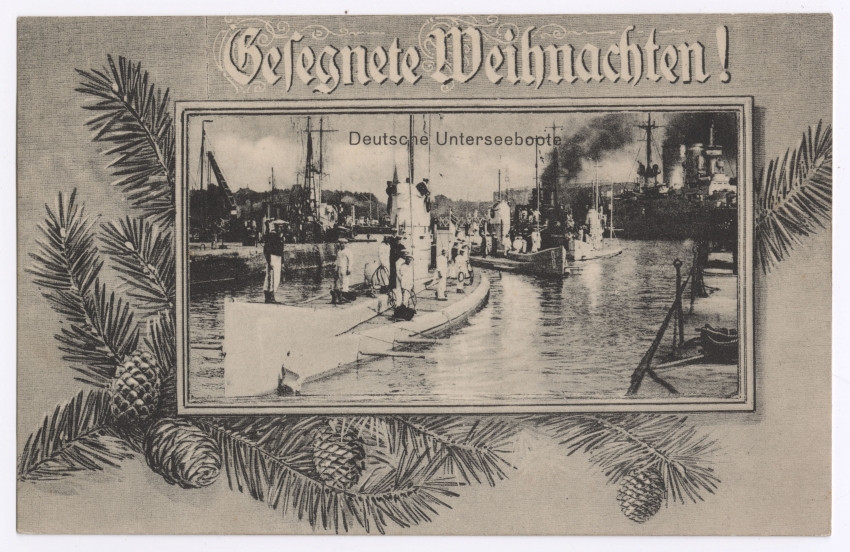
In February 1915, Germany declared the waters around the British Isles a war zone and gave official notice that its navy would attack enemy merchant ships without warning. Unlike battleships, submarines were vulnerable when surfaced. Following the traditional rules of naval warfare – stopping a ship, searching it and allowing passengers to escape – was very dangerous for the lightly-armored U-boats. Germany implemented a new policy: unrestricted submarine warfare, which military officials believed might break the British naval blockade of Germany.
While the German government issued warnings that U-boats would target even civilian vessels, many passengers still believed fast ocean liners – especially those carrying neutral Americans – would be spared.
They were wrong.
Ireland and the aftermath
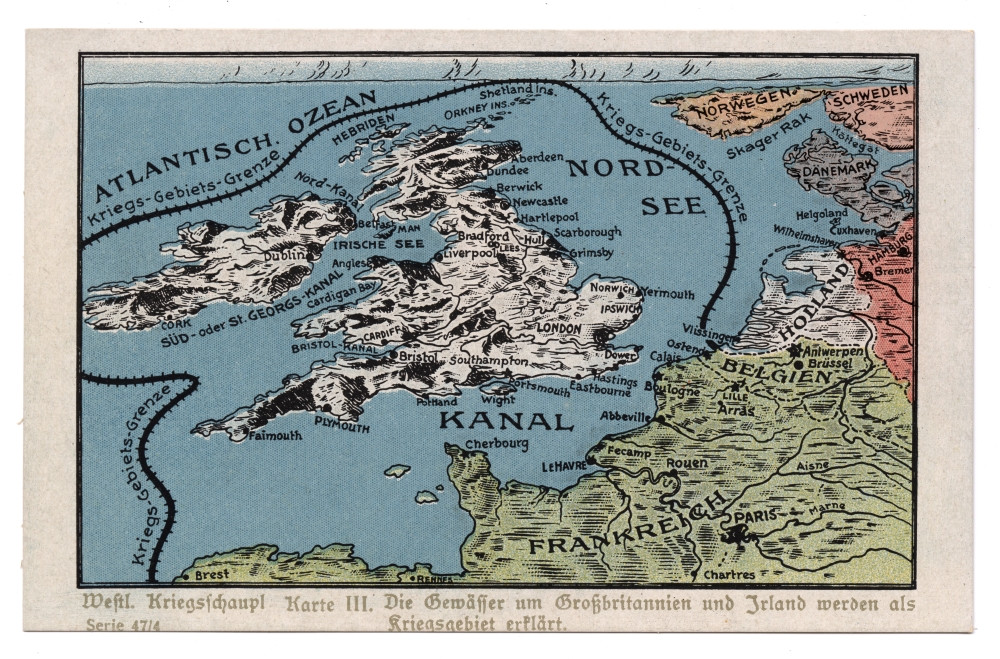
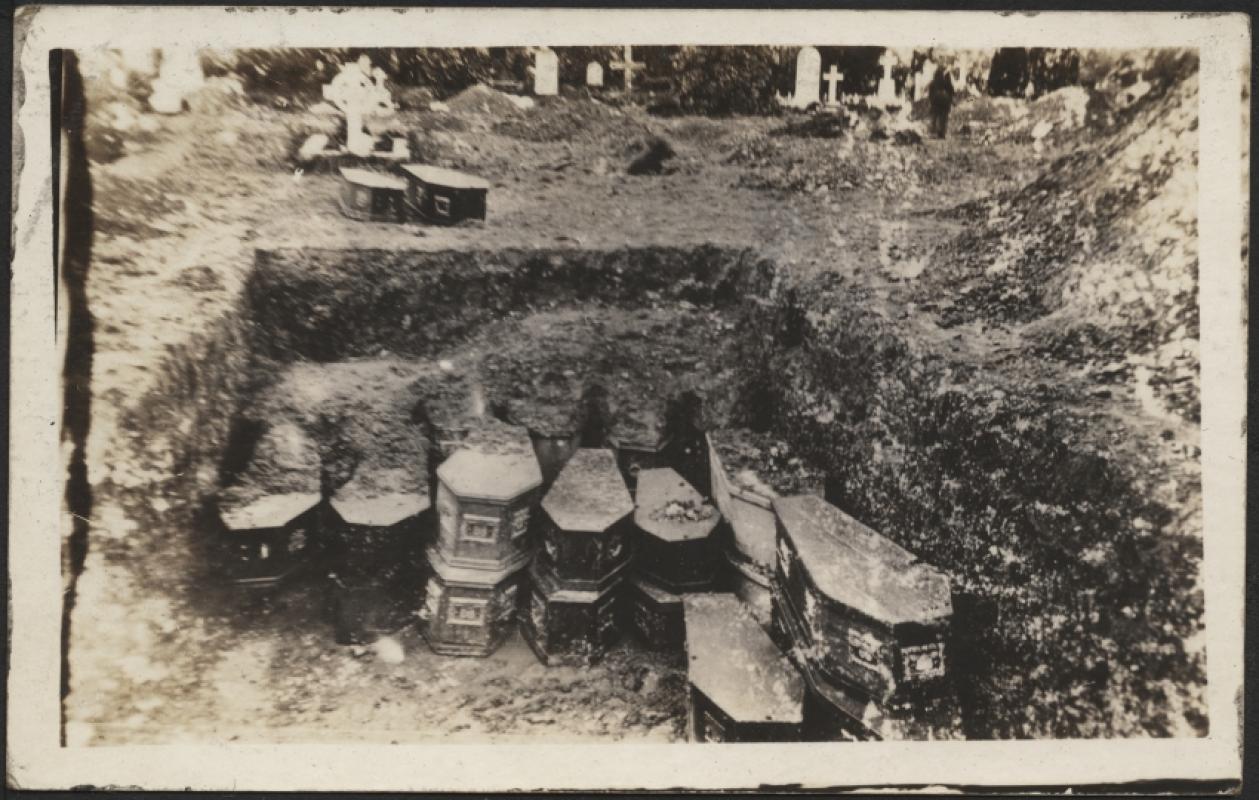
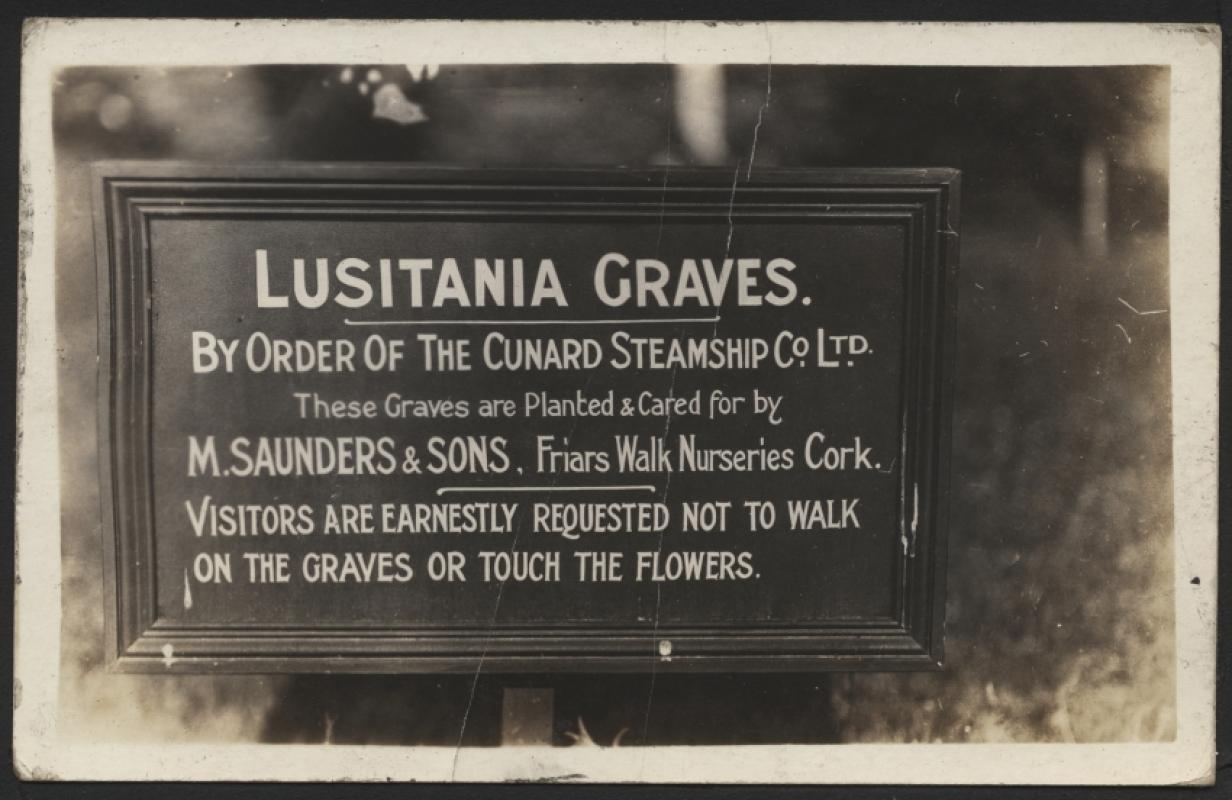
Ireland’s coast marked the boundary between civilian transatlantic travel and a deadly naval war zone, placing the island at the edge of modern warfare. After Lusitania sank, survivors and victims were brought to the Irish port city of Queenstown (now Cobh), where residents became first responders to the tragedy’s human aftermath. Ruled by Great Britain in 1915, Ireland’s geography made it both a strategic imperial asset and a frontline civilian witness to a war that many did not support.
Why the Lusitania was so controversial
The Lusitania was sailing from New York to Liverpool carrying around 2,000 passengers and crew, including 128 Americans. The German government defended the sinking by claiming Lusitania was a legitimate military target; although officially a passenger liner, the ship’s cargo contained roughly 5,000 cases of ammunition meant for the British military.
But this information was only definitively revealed later in the 20th century. In 1915, Britain and the United States publicly downplayed or denied the military cargo, and insisted that civilians should never be attacked without warning. This point of contention revealed something deeper: modern war blurred the lines between civilian and military life.
This is a carousel. This section contains multiple slides with links. Use the left and right arrow buttons to navigate.
The sinking of Lusitania
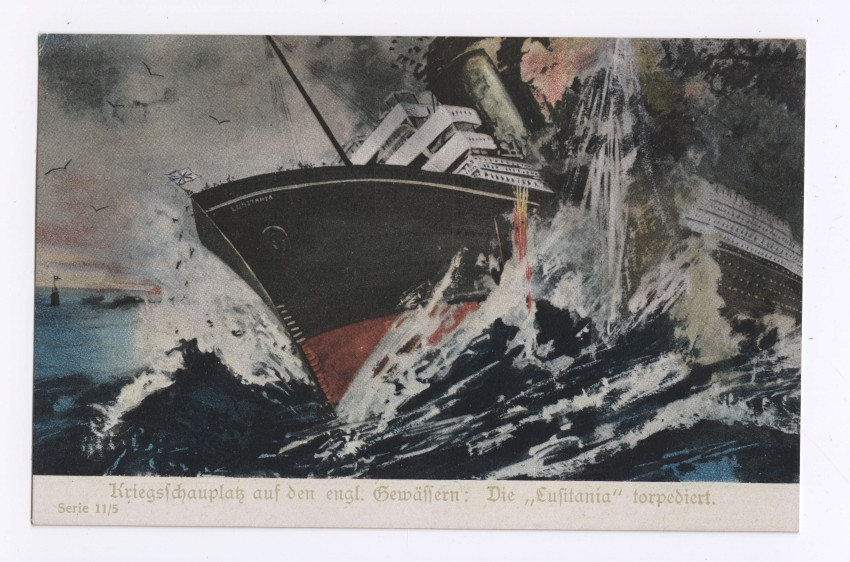
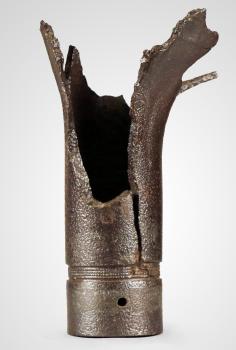
What is clear is that the cases of ammunition created a devastating second internal explosion that accelerated Lusitania’s sinking.
“There was a dull explosion and a quantity of debris and water was flung into the air beside the bridge. The waterspout knocked me down beside the Marconi office. The explosion seemed to lift the ship hard over to port and was followed soon after by a second rumbling explosion entirely different to the first.”
—James Brookes from Bridgeport, Connecticut recounts his experience aboard Lusitania at the time of the torpedo strike
Crew members attempted to launch lifeboats, but the rapidly sinking vessel, freezing waters and chaos made it difficult to save those aboard. Though some passengers did make it into lifeboats, hundreds more drowned.
Public outrage – but no war
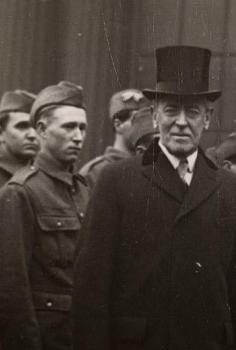
In the United States – still neutral at the time – the sinking caused outrage, and public opinion turned sharply against Germany. But President Woodrow Wilson did not declare war. Instead, he protested diplomatically. Germany, hoping to keep the U.S. out of the war, switched tactics and limited submarine attacks, restricting U-boat commanders from attacking civilian vessels.
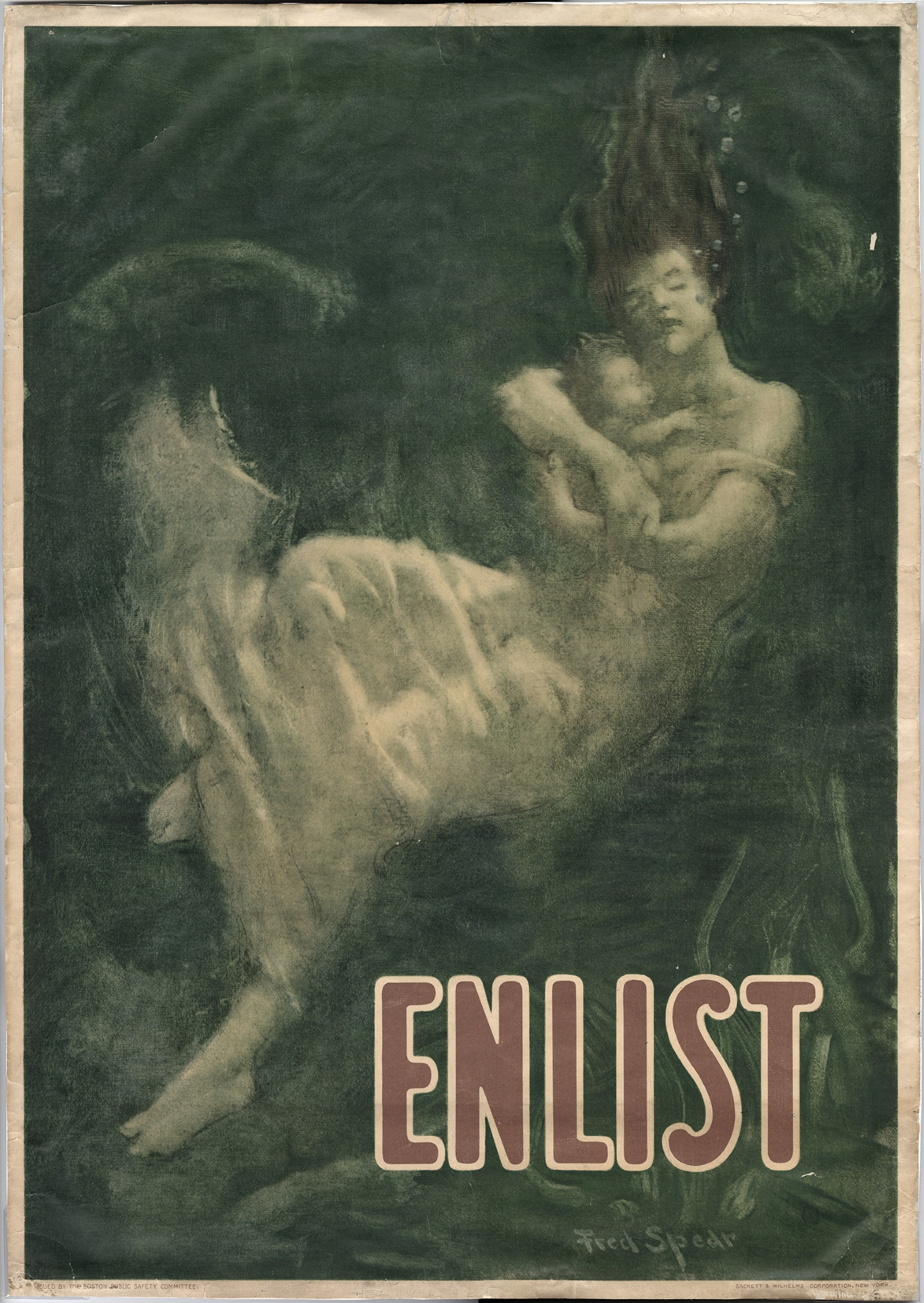
For the next two years, the United States remained officially out of the war.
In 1917, desperate to break the stalemate on the Western Front and believing disrupting Britain’s supplies could bring victory before the United States could mobilize, Germany resumed unrestricted submarine warfare. Public outrage over this and the Zimmerman Telegram spurred the United States to declare war, citing attacks on American lives and commerce as a reason to join the fight against Germany.
Why the sinking of the Lusitania mattered
The sinking of Lusitania did not bring the United States into World War I, but it changed how Americans thought about the war. It showed that:
- Civilians were no longer safe, even far from the battlefield
- Neutrality offered limited protection in a modern, industrial war.
- Modern technology like submarines made war more destructive and unpredictable.
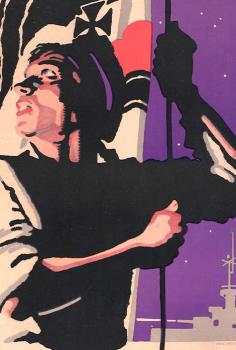
- Propaganda could shape public opinion, turning tragedy into powerful emotional arguments that continue to influence how the war was remembered long after the fighting ended.
The sinking of Lusitania became a symbol. Not of why the U.S. fought, but of what modern war had evolved into.