By Clive Harris
Military Historian and Trustee of the Charlton Athletic Museum
When fighting on the Western Front settled into static trench warfare in late 1914, Allied leaders looked for another way to pressure the Central Powers. First Lord of the Admiralty Winston Churchill championed a naval effort to force a passage through the Dardanelles Straits – the waterway separating Europe and Asia – and open a route toward Constantinople.
After a naval campaign failed to secure the straits, Allied forces landed on the Ottoman-held Gallipoli Peninsula in April 1915. The campaign that followed became a costly and exhausting stalemate.
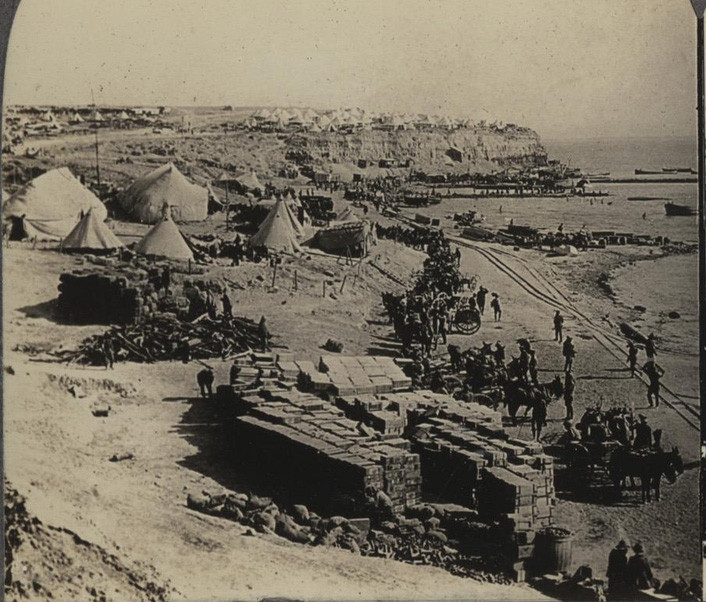
A campaign under strain
By late summer 1915, British troops in the Helles sector faced harsh conditions, disease and fatigue. The VIII Corps Deputy Director of Medical Services reported that there was “throughout the troops a general feeling of lassitude and depression which lowers the power of resistance to disease.” He hoped that measures introduced by the new corps commander would make a positive difference.
Lieutenant General Sir Francis “Joey” Davies sought to improve conditions in practical ways. His plans included better leisure facilities, refreshments, military bands and sports matches.
Football (known in the United States as soccer) became one visible part of that effort.
The Dardanelles Cup
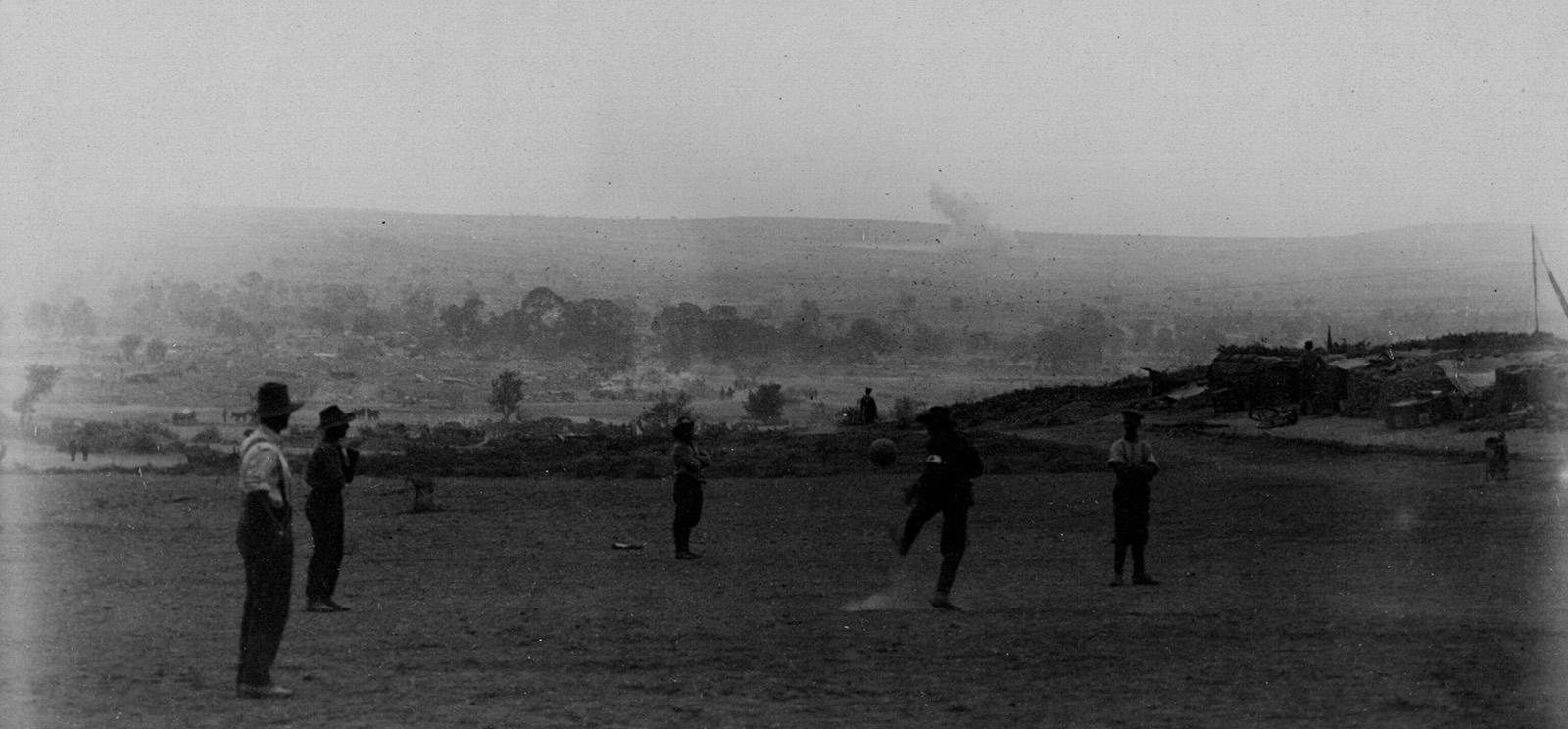
The Dardanelles Cup was a 32-team knockout tournament divided among four divisional groups. Matches were played on two grounds near the front: one on the forward aviation ground at Cape Helles and another near Geoghegan’s Bluff, close to Gully Ravine.
The competition drew attention across the peninsula. War diaries, private letters and memoirs recorded the matches, their players and the unusual circumstances in which they were played.
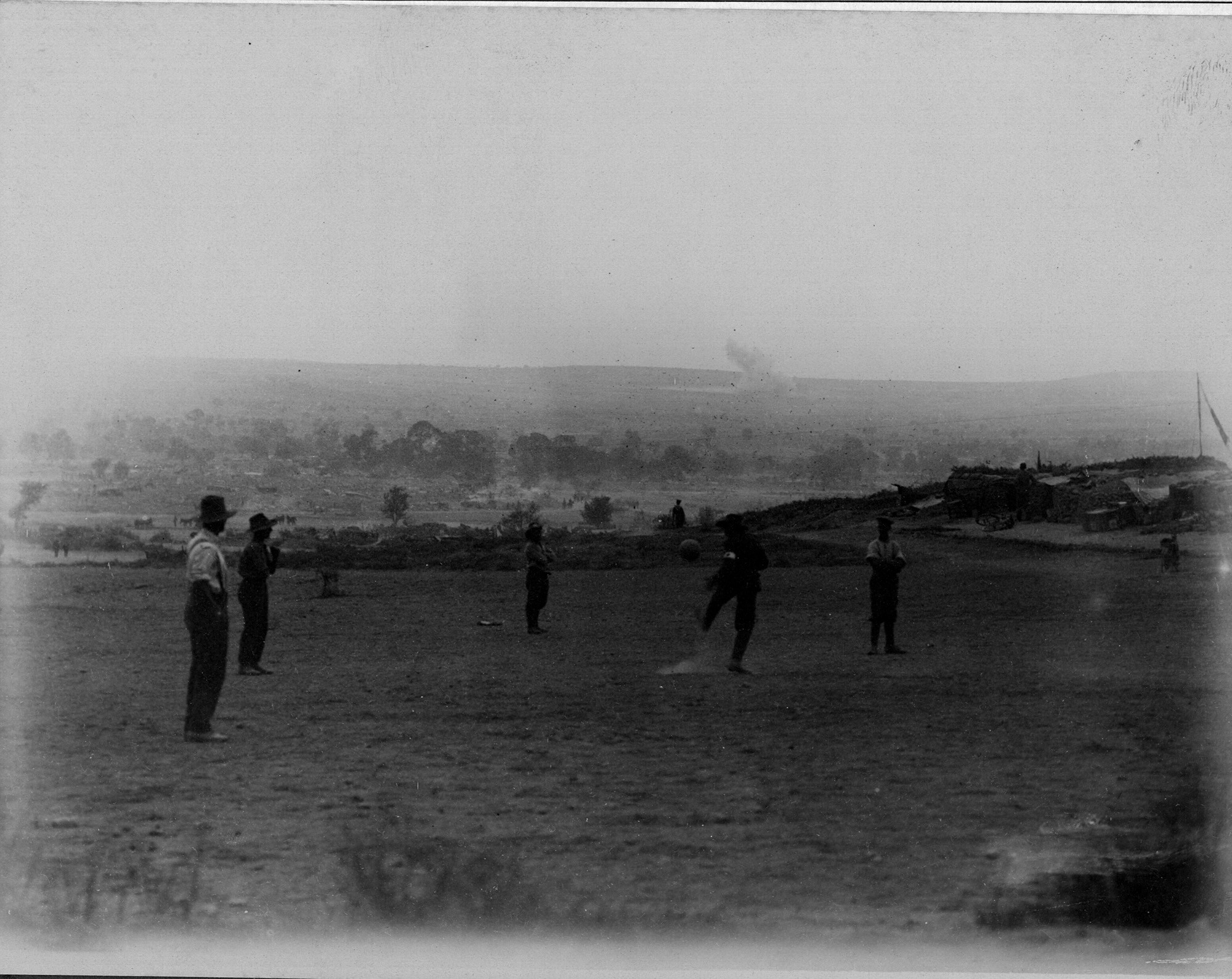
Shellfire could interrupt play, but it did not always stop it. R. Thompson of the 5th Battalion, Argyll and Sutherland Highlanders, recalled:
“The game was being played not a hundred yards from a French Battery. A shell burst rather near one of the goals, so the spectators moved to the other end of the field, but the game went on. The Frenchmen walked past, glanced at the game and then each other with expressions that said quite clearly, all that we have heard is quite true. The British are completely mad!”
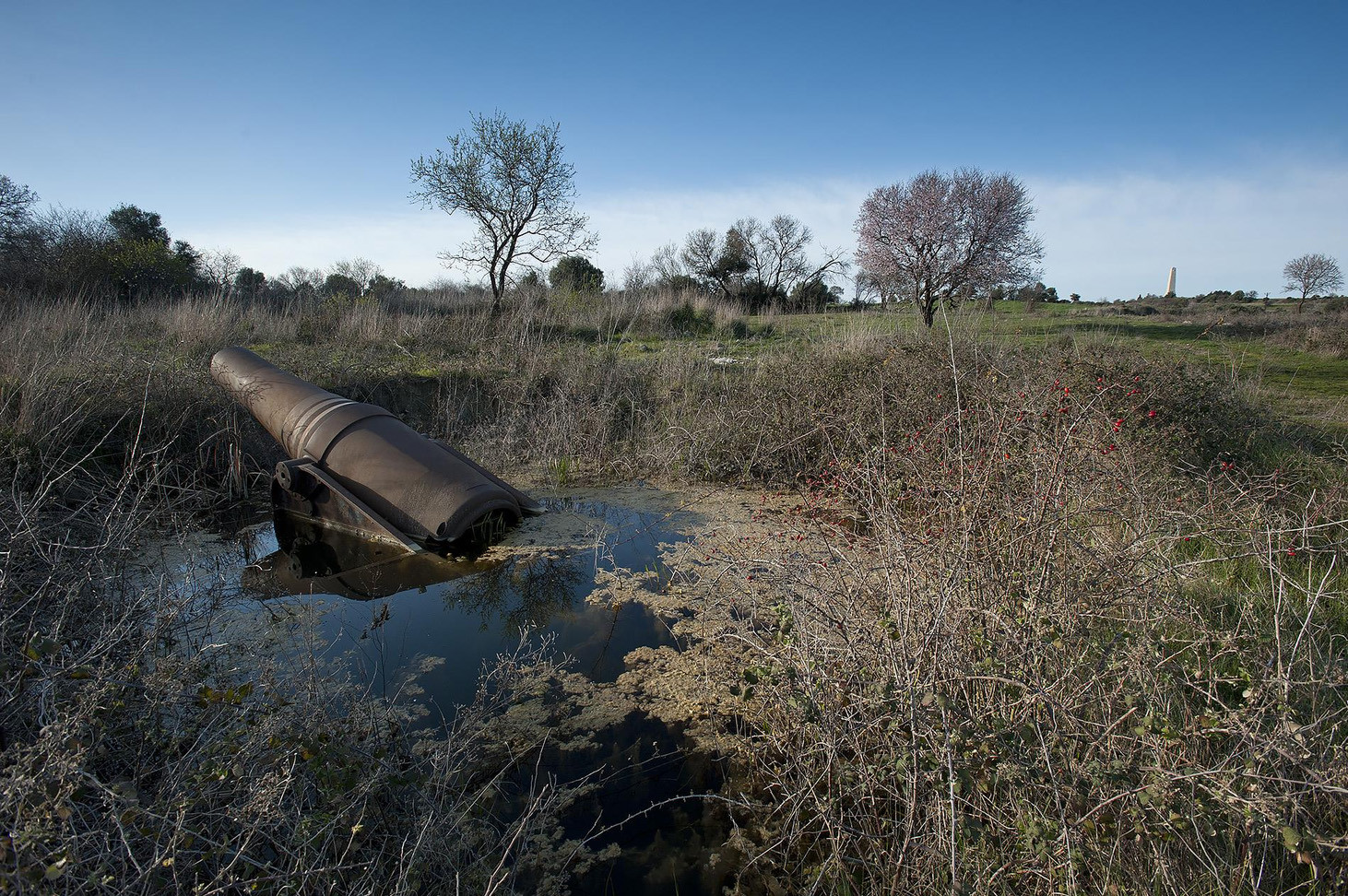
The 7th Battalion, Manchester Regiment, won its first three matches before leaving the trenches to play in its divisional final. Its war diary recorded that the team had to wait for Ottoman shelling to stop before the match could begin. Shells had fallen in the center of the pitch and even through the goalposts.
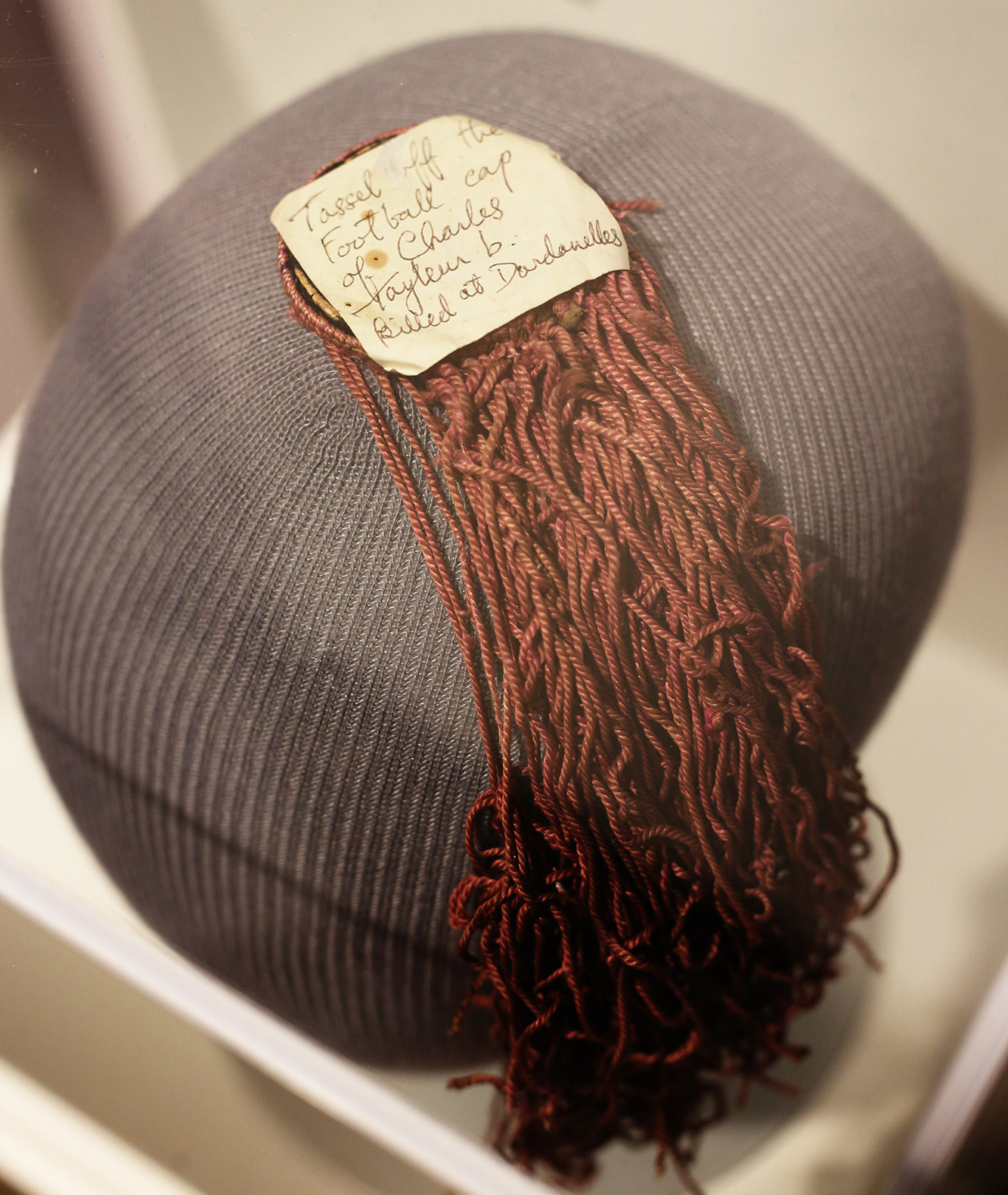
That match was the last in which the battalion’s center forward, L. Hancock, appeared. He was killed in action on Dec. 24, 1915, shortly before the battalion’s departure from Gallipoli.
The Stockdale Cup
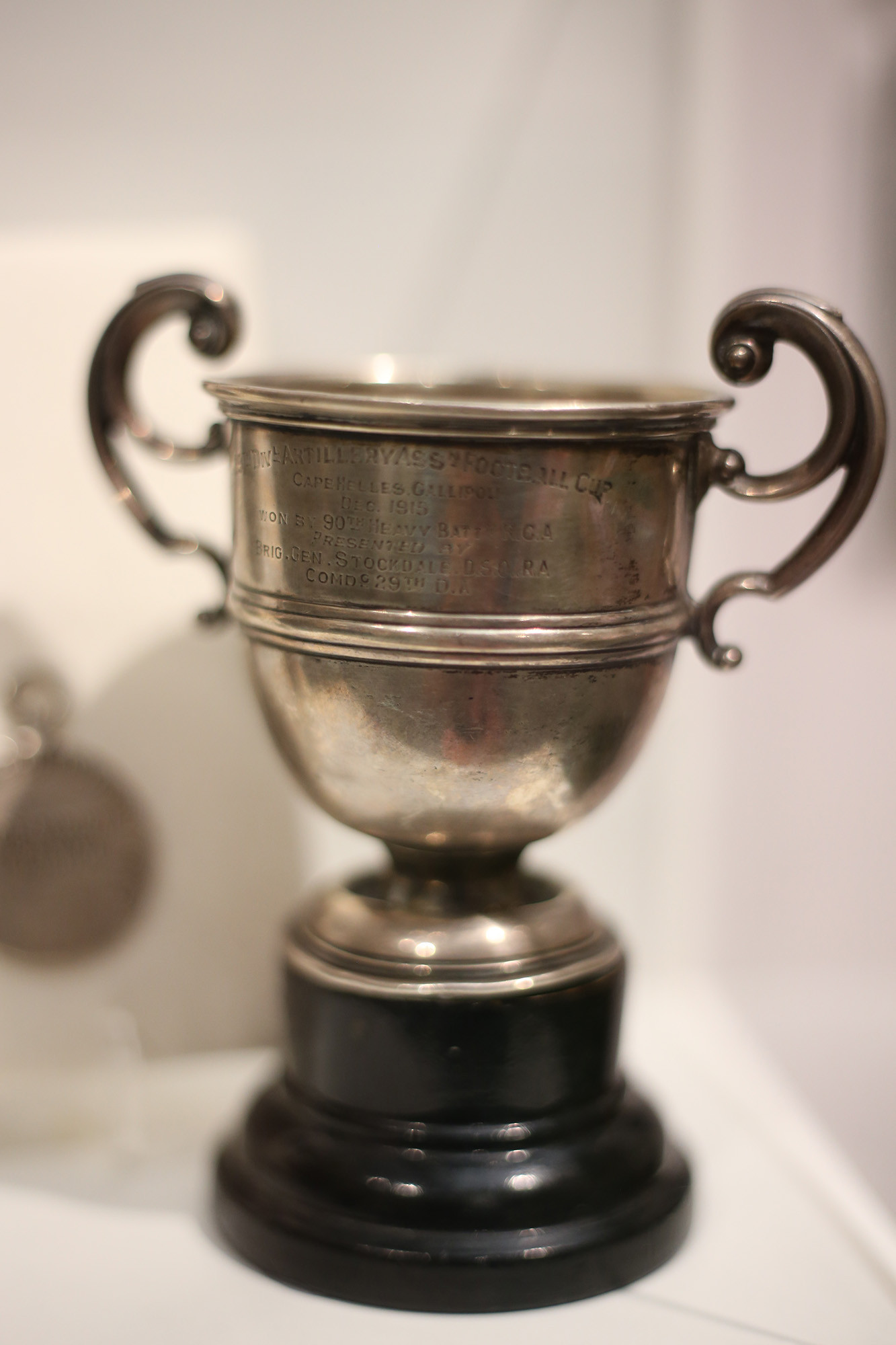
Some units organized their own competitions. Brigadier General Herbert Edward Stockdale (an enthusiastic football supporter) commissioned a small engraved trophy for the winner of the Stockdale Cup, played among units under his command.
The trophy records a Christmas Day 1915 victory by the 90th Heavy Battery over B Battery of the Royal Horse Artillery. The final score has been lost, but the cup remains evidence of the place football held in the lives of troops serving in Gallipoli.
A final after evacuation
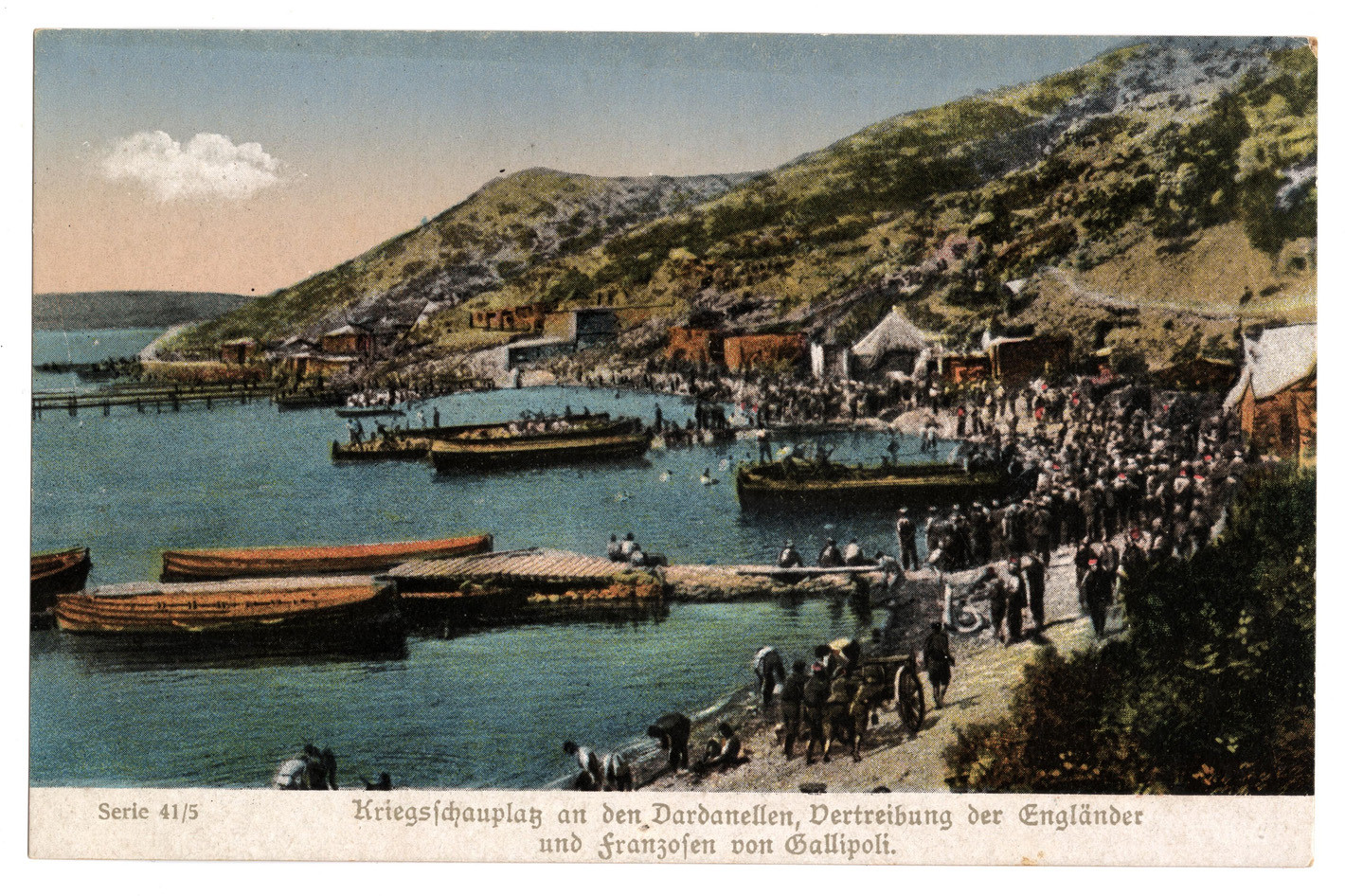
The Dardanelles Cup continued even as Allied forces prepared to leave Gallipoli. Its final was played on the nearby Greek island of Lemnos in January 1916, after the evacuation of the peninsula.
The Anson Battalion of the Royal Naval Division defeated the 5th Battalion, Highland Light Infantry, 2–1 to win the cup.
Why football mattered
Football could not change the outcome of the Gallipoli campaign. It could, however, offer soldiers something familiar: a shared routine, competition with other units and a momentary escape from the strain of military life.
The Dardanelles Cup shows that sport was more than entertainment during World War I. It helped sustain team identity and connection under extraordinary conditions and left behind objects, records and memories that tell a different story of life at war.
The Beautiful Game
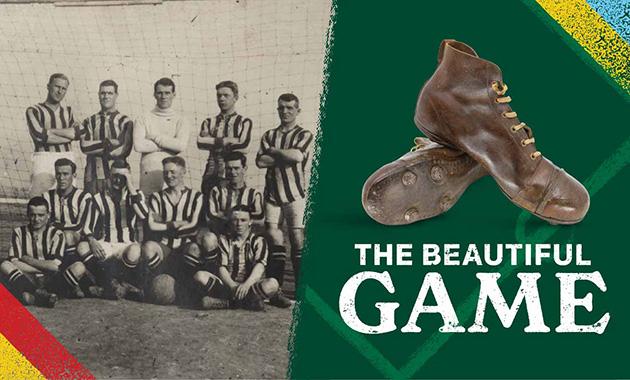
It is summer, 1914. Football (soccer) athletes, league officials and fans around the world were planning and preparing for kick-off – but then came the fateful declarations of war. The bugles began calling for volunteers to serve on the battlefield rather than the football pitch.
Yet “the beautiful game” had its role to play during World War I.