KEY FACTS
Founded: 1923
First Chairman: General John J. Pershing
Today: 26 cemeteries and 31 monuments in 17 countries
The American Battle Monuments Commission, or ABMC, was created by Congress in 1923 to design, build and maintain U.S. military cemeteries and memorials overseas. Its origins reach back to World War I, when the United States faced a new question on an enormous scale: how should a nation care for, bury and remember its war dead far from home?
America faced a new kind of loss
World War I was unlike any war the United States had fought before. It was America's first large-scale overseas conflict, and it resulted in the deaths of more than 100,000 American service members, most of them killed on foreign soil. That raised a question the country had never faced at such a scale: How should the United States honor those who died so far from home?
The answer gave birth to the American Battle Monuments Commission.
How did earlier wars compare?
The United States had fought overseas before. The Spanish-American War in 1898 sent troops to Cuba, Puerto Rico and the Philippines. But that conflict lasted just over three months. Fewer than 2,500 Americans died. The fighting happened close enough to home that nearly all of the dead were returned to the United States for burial.
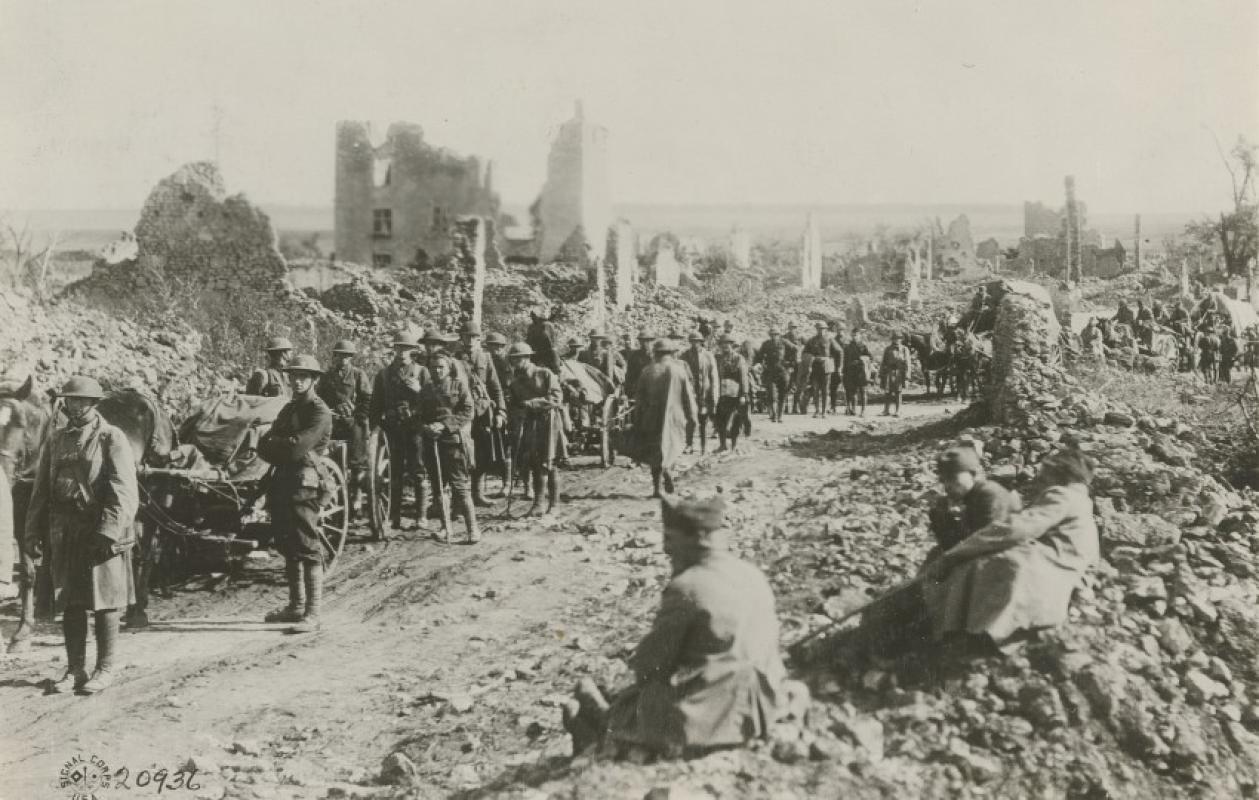
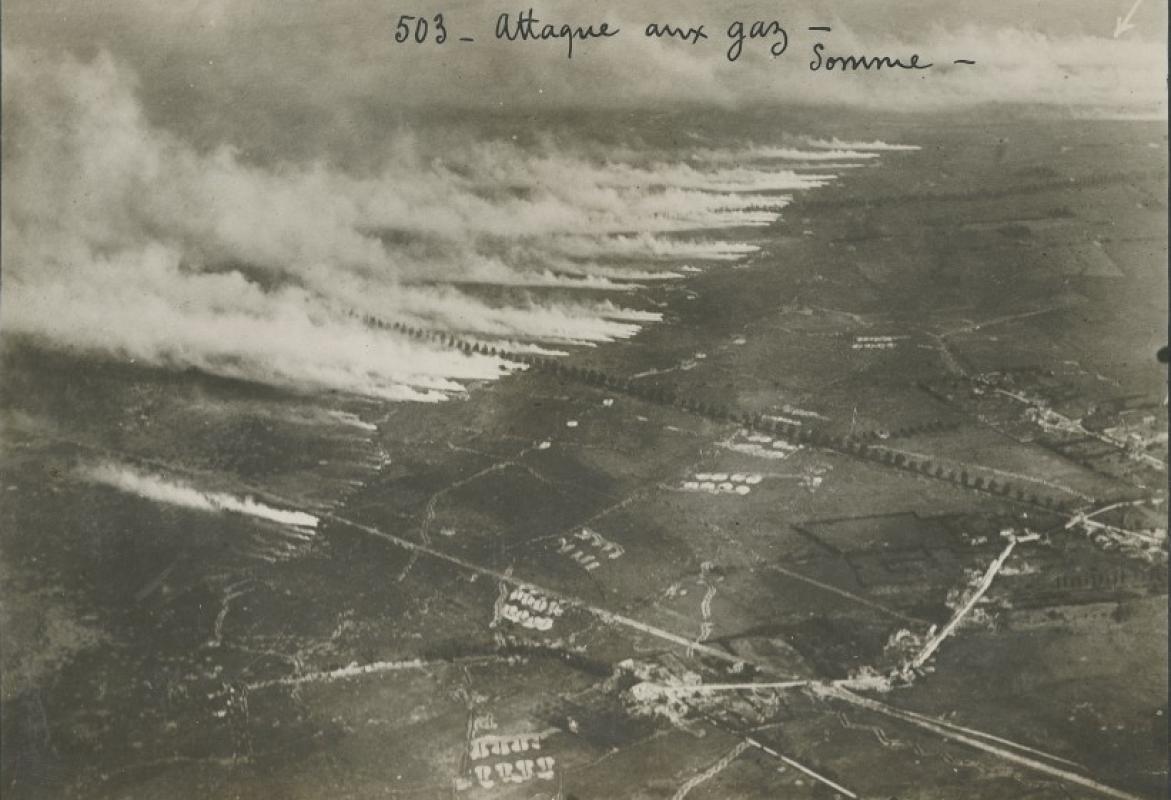
World War I was different in almost every way. The war lasted four years, from 1914 to 1918, with American troops entering the fight in April 1917 and serving until the Armistice in November 1918. The U.S. military grew to more than four million troops. Nearly two million served in Europe as part of the American Expeditionary Forces, or AEF. More than 100,000 Americans died, many during just six months of major combat. The worldwide Spanish Flu pandemic added to the death toll, taking lives on both sides of the Atlantic, even after the fighting stopped.
This is a carousel. This section contains multiple slides with links. Use the left and right arrow buttons to navigate.
This is a carousel. This section contains multiple slides with links. Use the left and right arrow buttons to navigate.
Where were the dead?
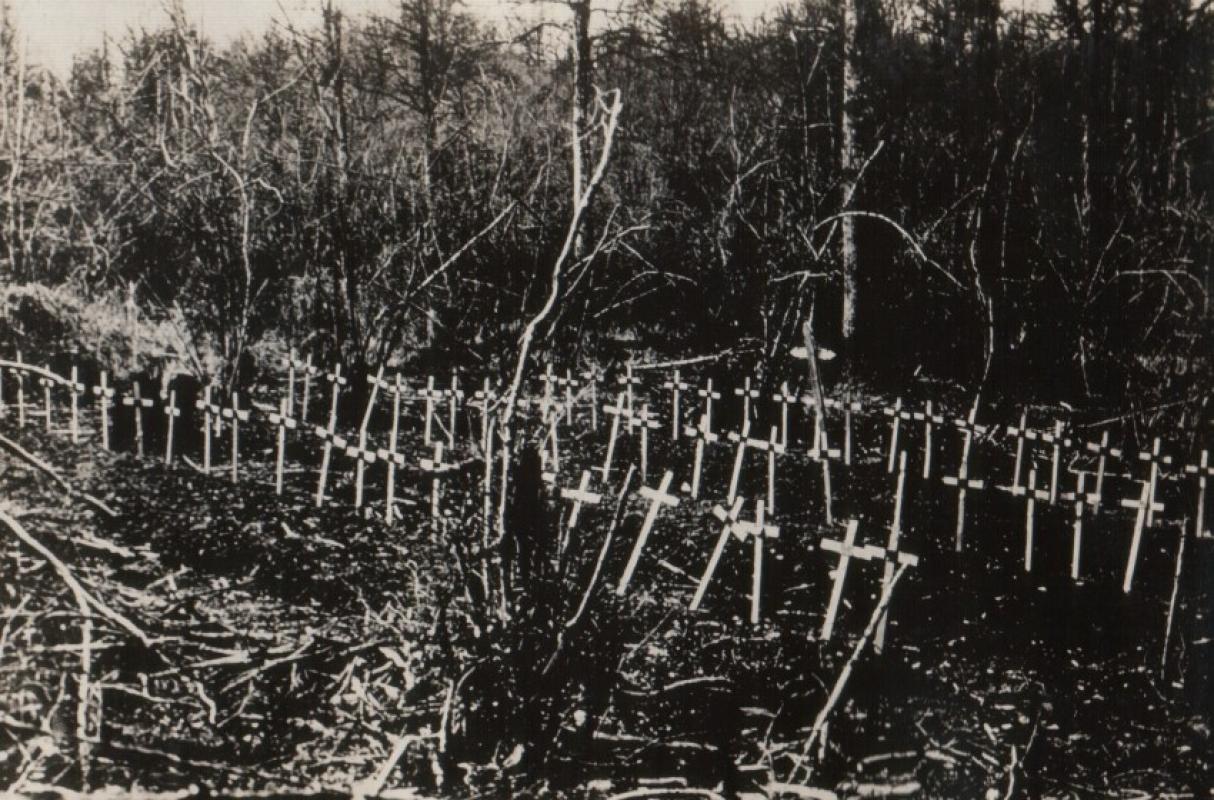
During the war, American soldiers were buried close to where they fell, in temporary cemeteries. The Army's Graves Registration Service managed this work. Much of the physical labor fell to African American soldiers, who were assigned to support roles in the segregated Army of 1918.
By the end of the war, nearly 80,000 Americans were buried in more than 2,000 temporary cemeteries spread across Europe.
“Bring them home”: a national debate
With the war over, the United States faced two connected questions: What should happen to the dead, and how should the nation honor what the AEF had accomplished?
A major debate followed. Some wanted every American soldier returned home for burial. Others believed the soldiers should remain where they fought, as many Allied nations had chosen to do. In the end, the U.S. government left the choice to each family.
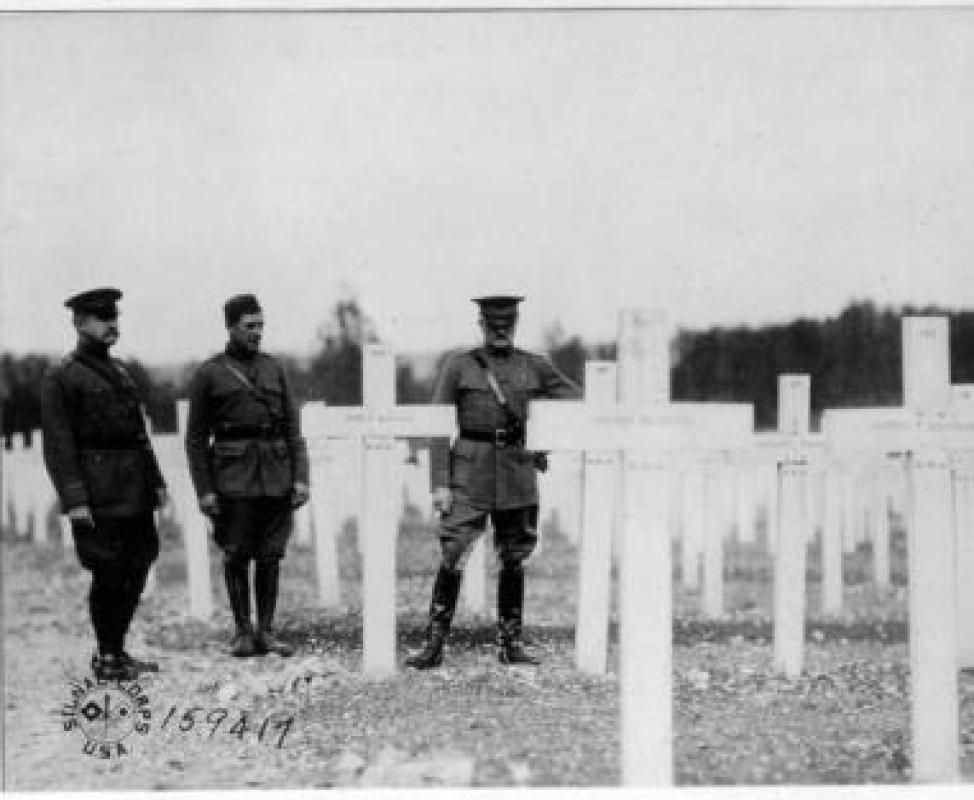
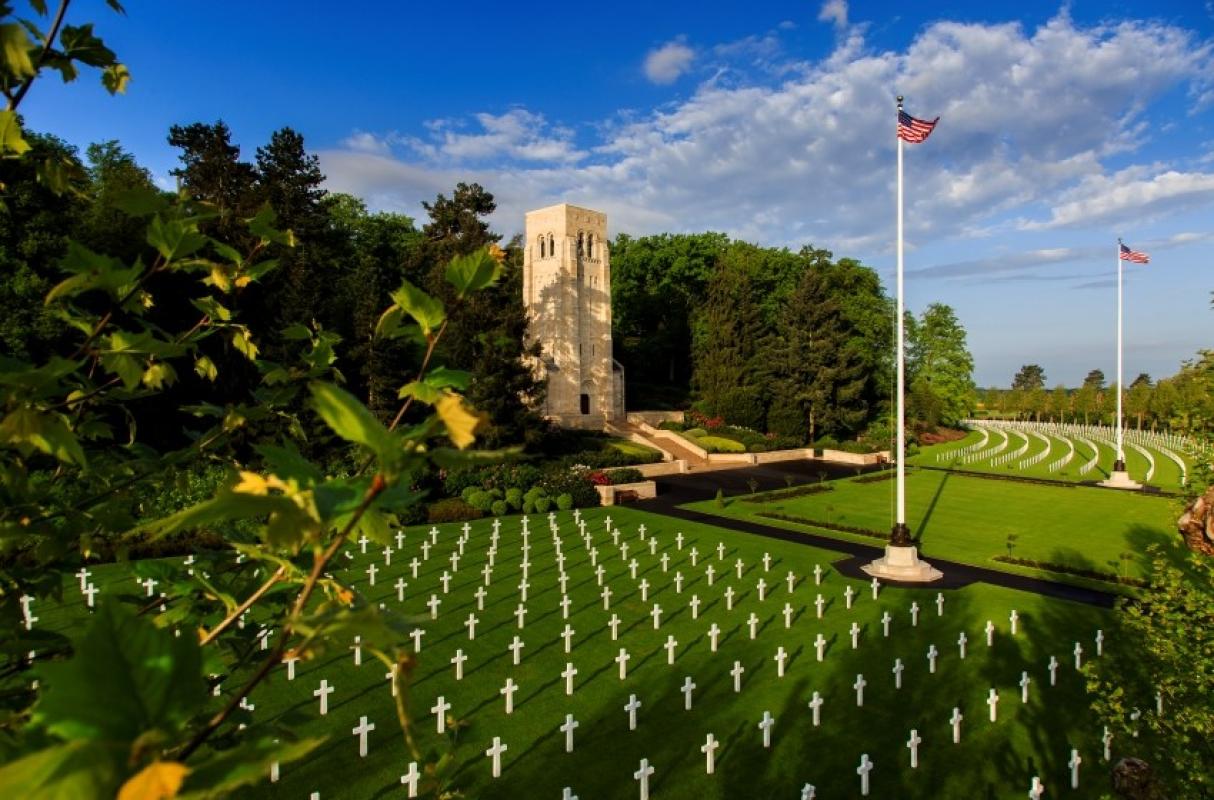
Families could choose to have their loved one's remains returned to the United States for burial at government expense, or they could choose permanent burial in an overseas military cemetery, to be maintained by the U.S. government forever. About 40 percent of families chose overseas burial. Eight sites were selected and transformed into permanent cemeteries, where nearly 31,000 American war dead would be honored.
This is a carousel. This section contains multiple slides with links. Use the left and right arrow buttons to navigate.
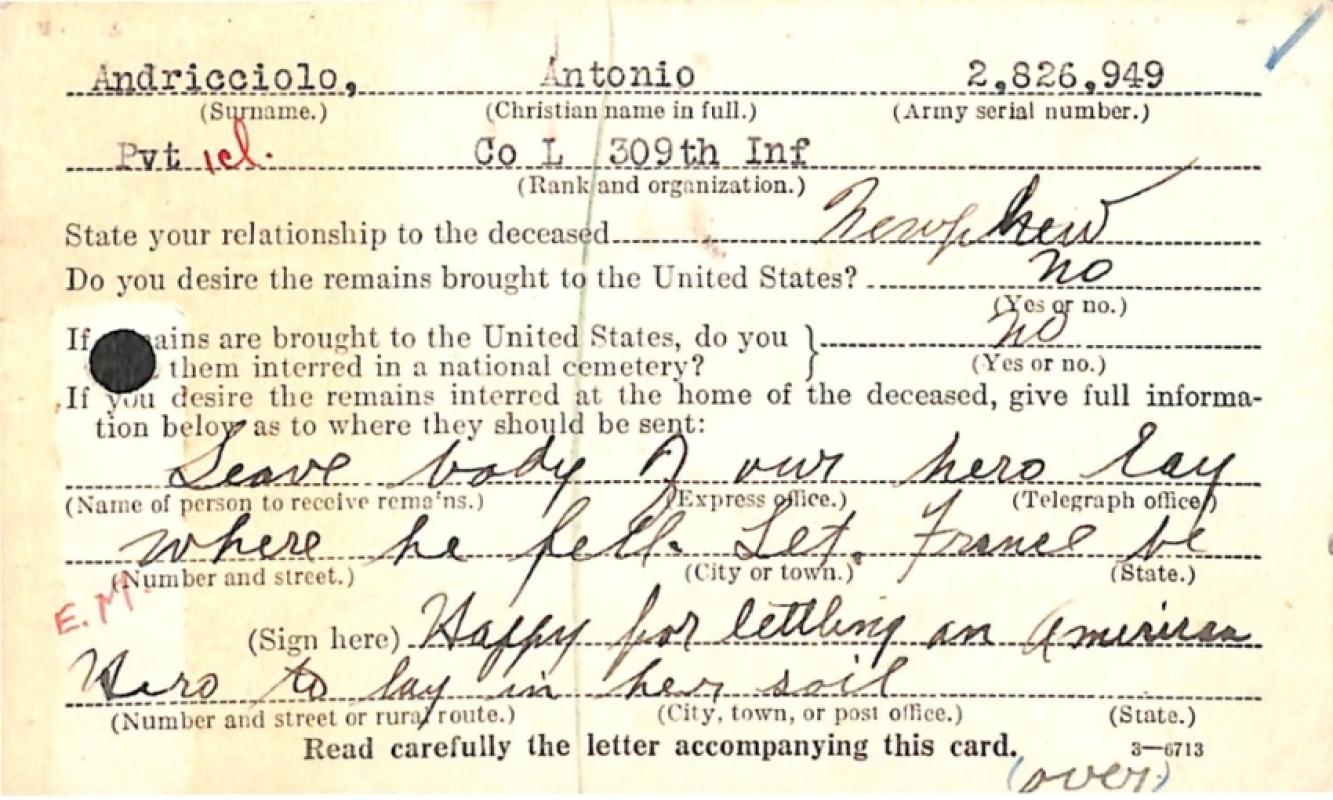
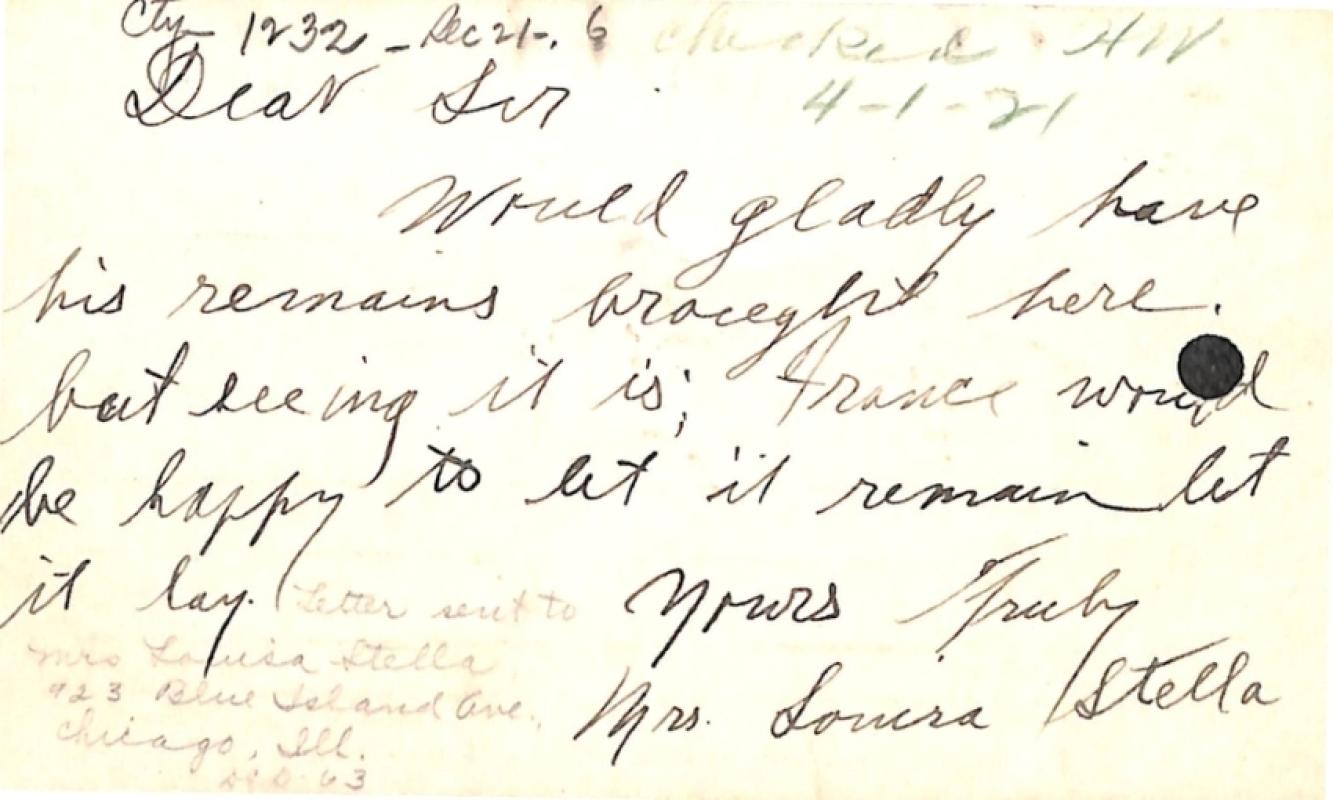
Congress created the ABMC in 1923
To honor the AEF's achievements and sacrifices, Congress created the American Battle Monuments Commission in 1923. General John J. Pershing, the wartime commander of the AEF, led the Commission.
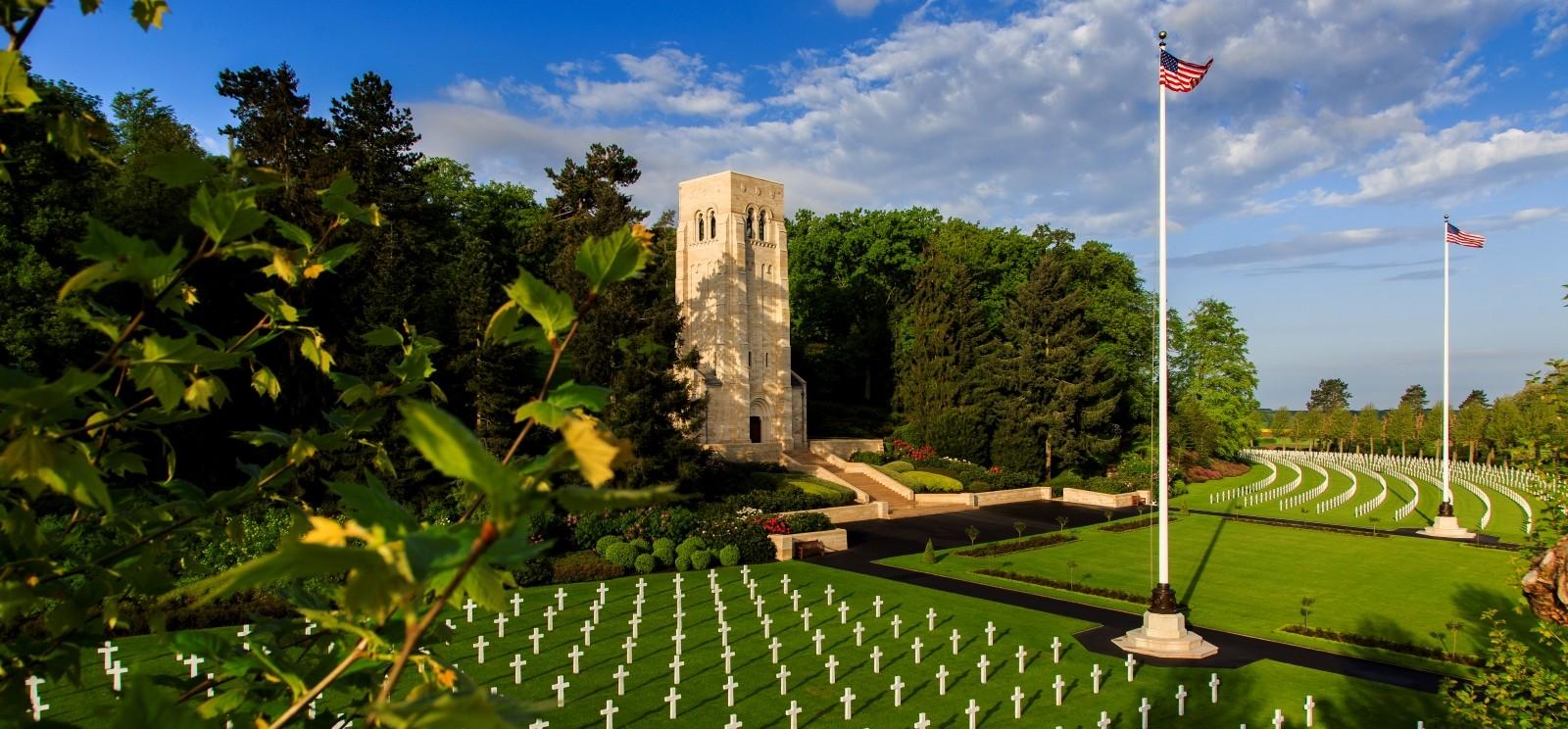
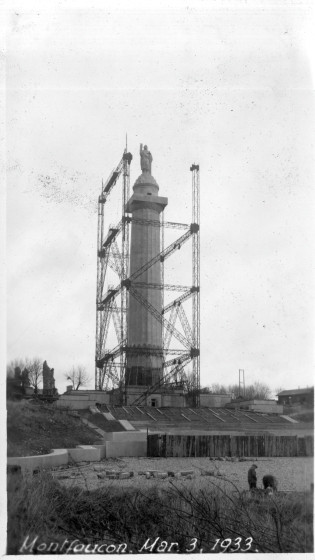
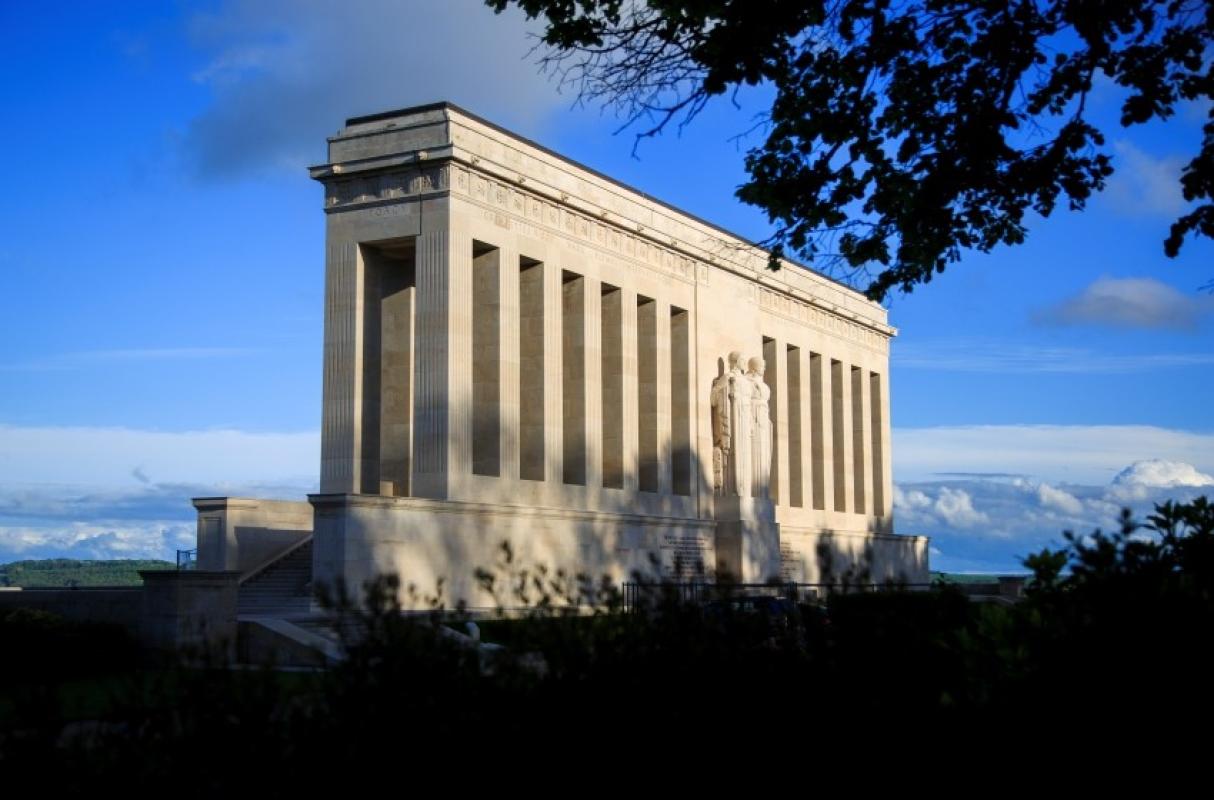
The ABMC designed and built 11 monuments and two markers across Europe, recognizing the major battles and contributions of American forces. The Commission was also given responsibility for designing chapels at each of the eight permanent cemeteries. Working with the Graves Registration Service and the Commission of Fine Arts, the ABMC transformed wartime burial grounds into dignified, meaningful places of remembrance.
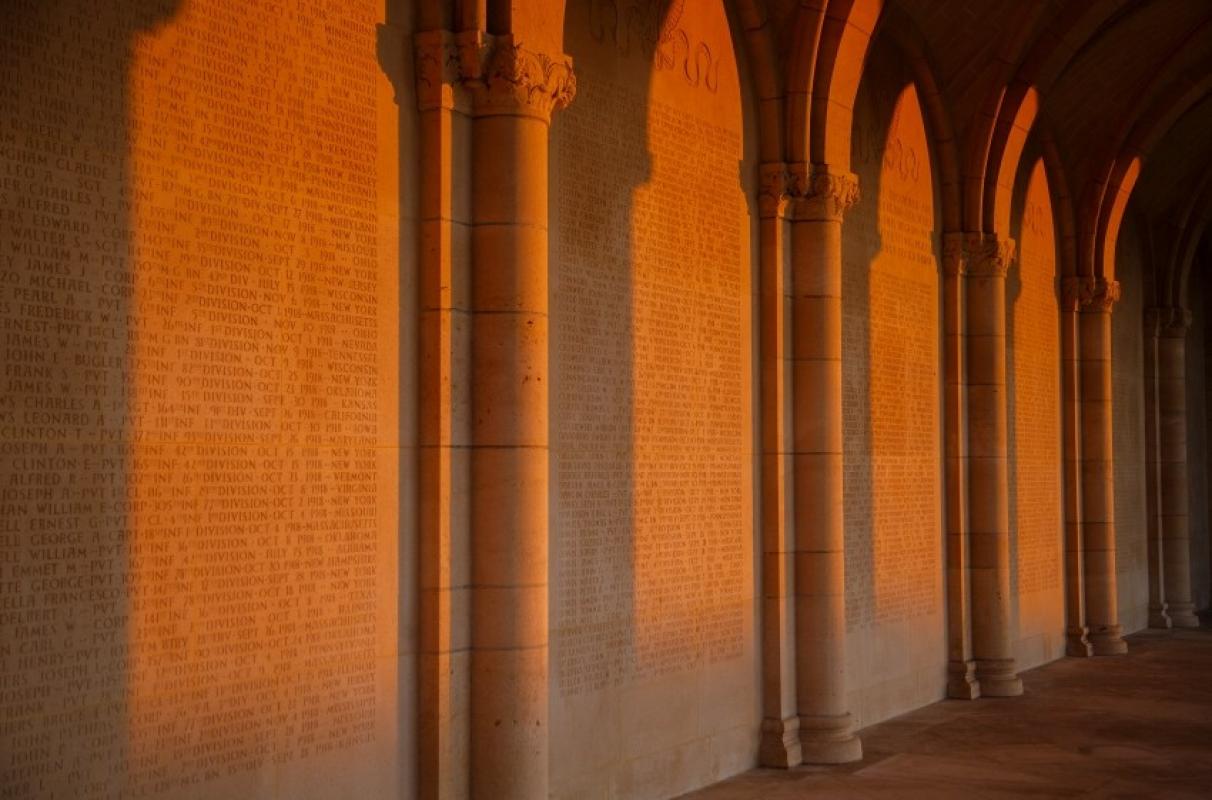
Walls of the Missing were included at each cemetery, honoring more than 4,400 Americans whose remains were never recovered or identified. In 1934, the cemeteries were transferred from the Graves Registration Service to the ABMC for permanent administration.
This is a carousel. This section contains multiple slides with links. Use the left and right arrow buttons to navigate.
Why did the dedications take until 1937?
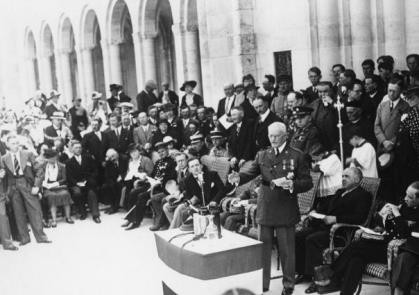
The Great Depression delayed the formal dedication of ABMC's World War I sites until 1937, twenty years after the U.S. declared war on Germany. Although not known at the time, that timing placed the dedications closer to the beginning of World War II than to the end of World War I. Less than two years after the ceremonies, a new global war began.
-
An enduring impact
In 1946, an executive order expanded the ABMC's mission to include the World War II dead. The scale was far larger. More than 400,000 Americans died in that conflict. Families again chose between overseas burial or return home. Nearly 93,000 remains were interred in 14 cemeteries across the world.
-
Image
-
Image
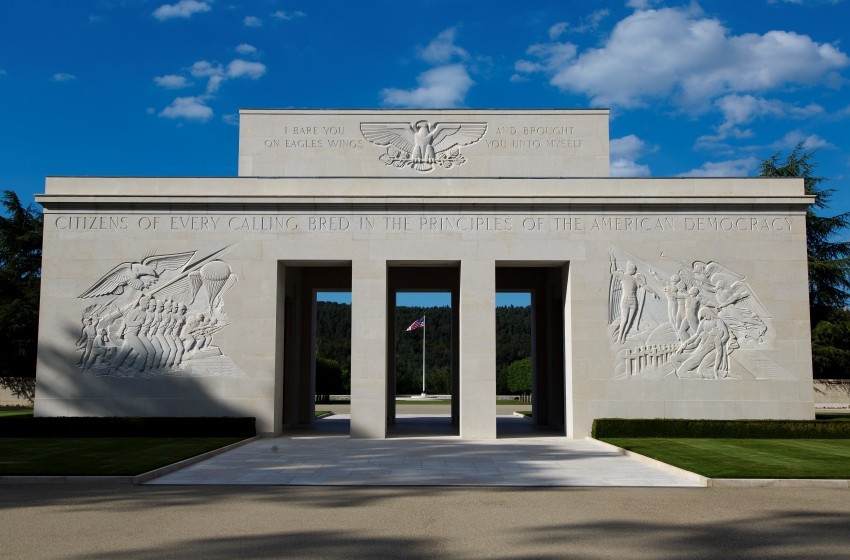
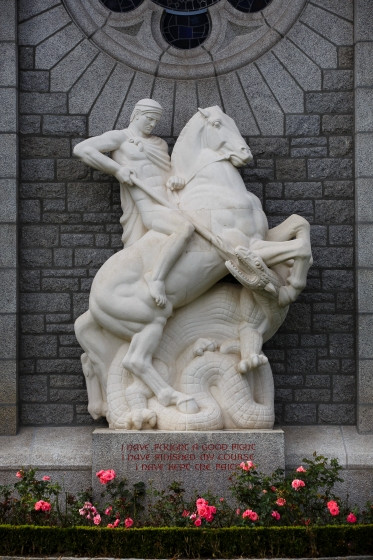
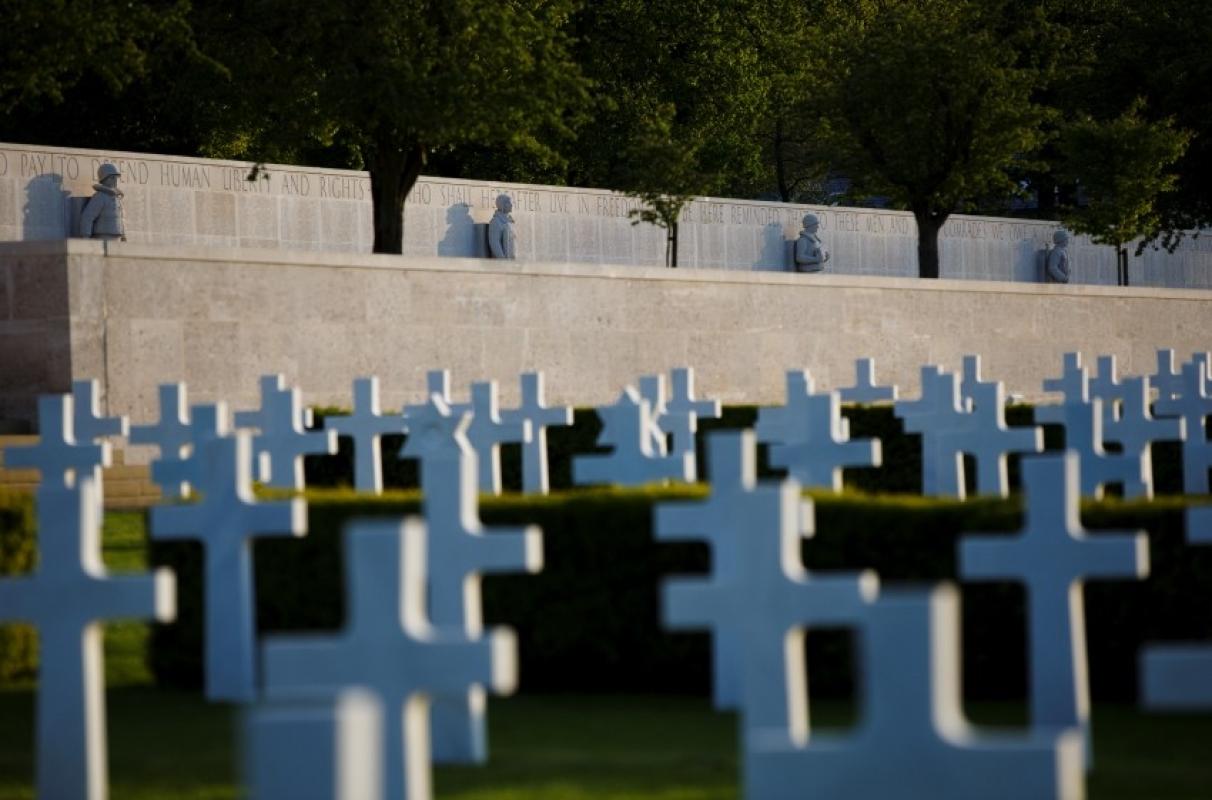
ABMC’s WWII cemeteries each feature at least one major piece of sculpture work in their dual role of cemetery and memorial. Here are examples from Epinal and Brittany American Cemeteries. Credit: Photo by Warrick Page, courtesy ABMC
Because World War II was so vast and spread across so many places, the Commission chose not to build a separate network of monuments as it had after World War I. Instead, three stateside memorials were built to honor those missing in the Pacific theater and in American coastal waters. The World War II cemeteries also feature more elaborate art and architecture than their World War I counterparts, since they served a dual role as both cemetery and memorial.
This is a carousel. This section contains multiple slides with links. Use the left and right arrow buttons to navigate.
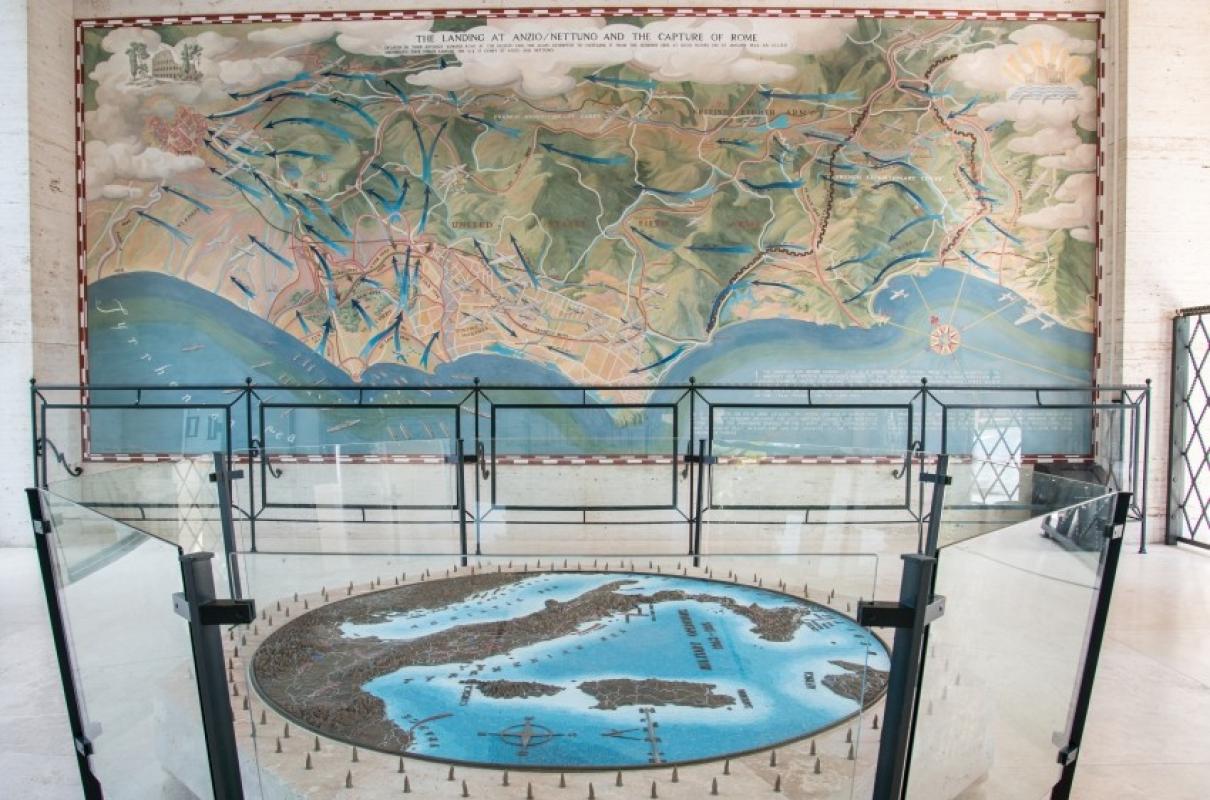
What happened after Korea and Vietnam?
Beginning in the Korean War, the U.S. military adopted a policy of returning fallen service members home immediately. This practice ended the tradition of permanent overseas cemeteries after each conflict.
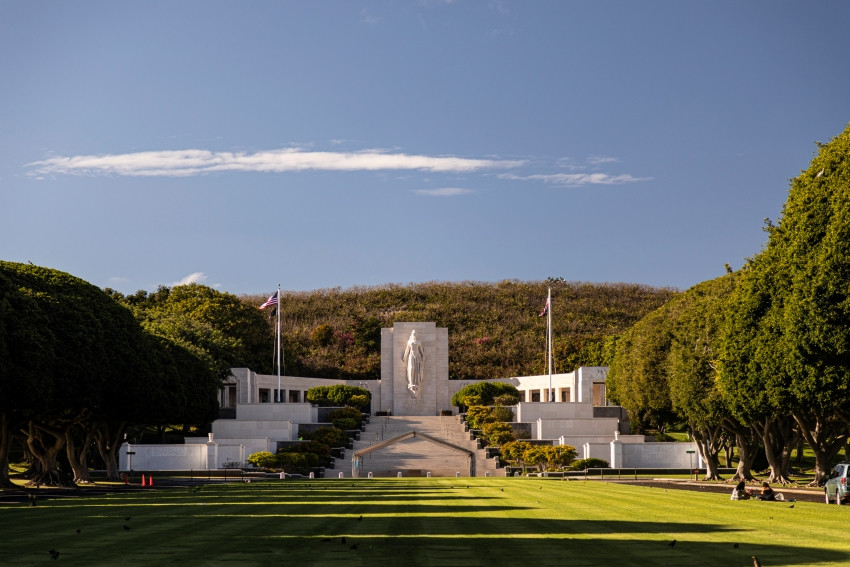
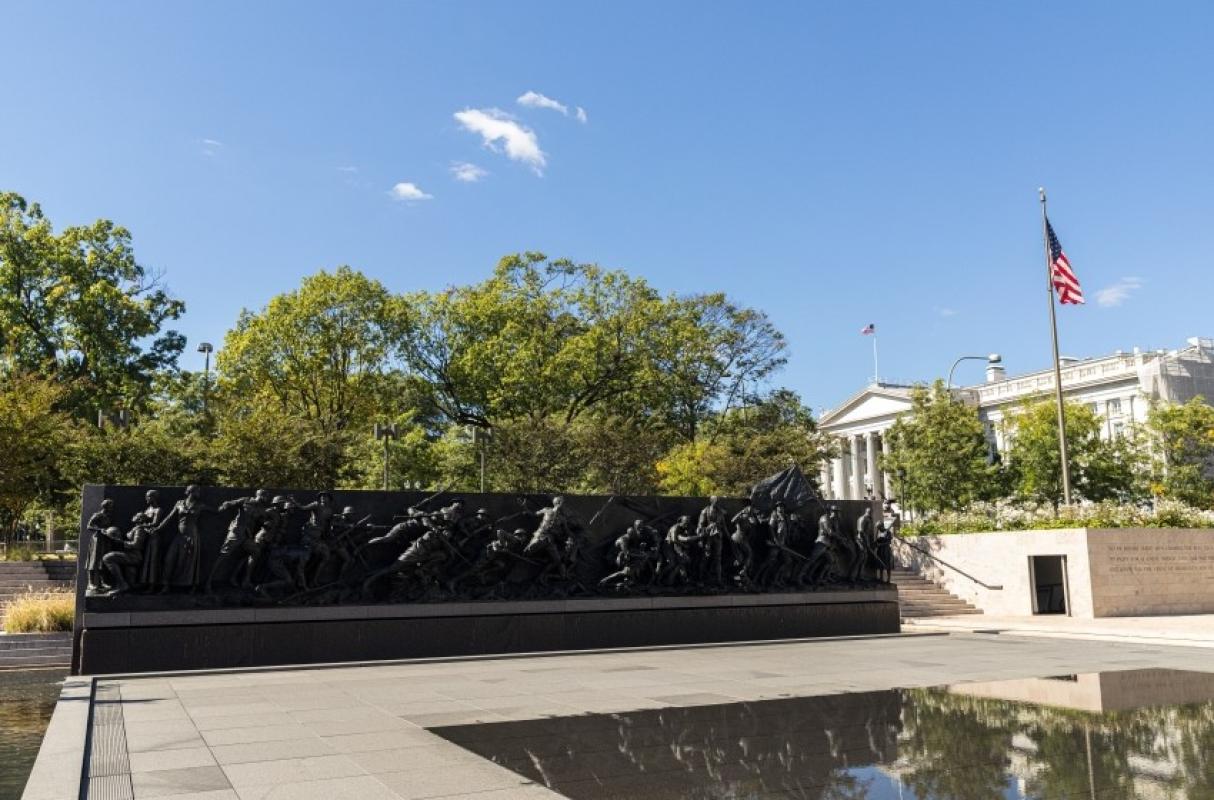
But the ABMC's mission continued to grow. The Honolulu Memorial honors Americans missing in action from the Korean and Vietnam Wars, as well as many from World War II. Over the years, the Commission has also helped design major memorials in the United States, including the National World War II Memorial, the Korean War Veterans Memorial, and the newly redesigned National World War I Memorial in Pershing Park in Washington, D.C.
The ABMC has also taken on additional sites over time, including the Lafayette Escadrille Memorial Cemetery, which honors American pilots who flew with the French Air Service before the United States entered World War I.
This is a carousel. This section contains multiple slides with links. Use the left and right arrow buttons to navigate.
The ABMC today
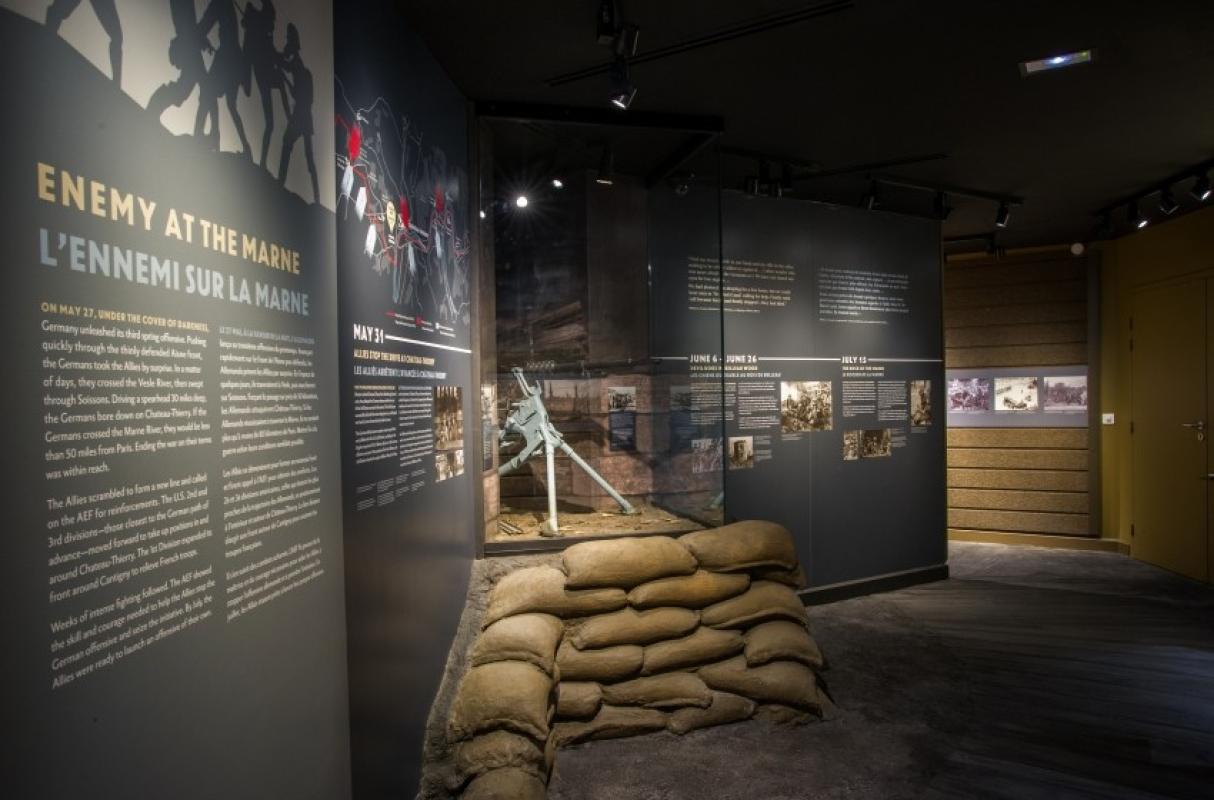
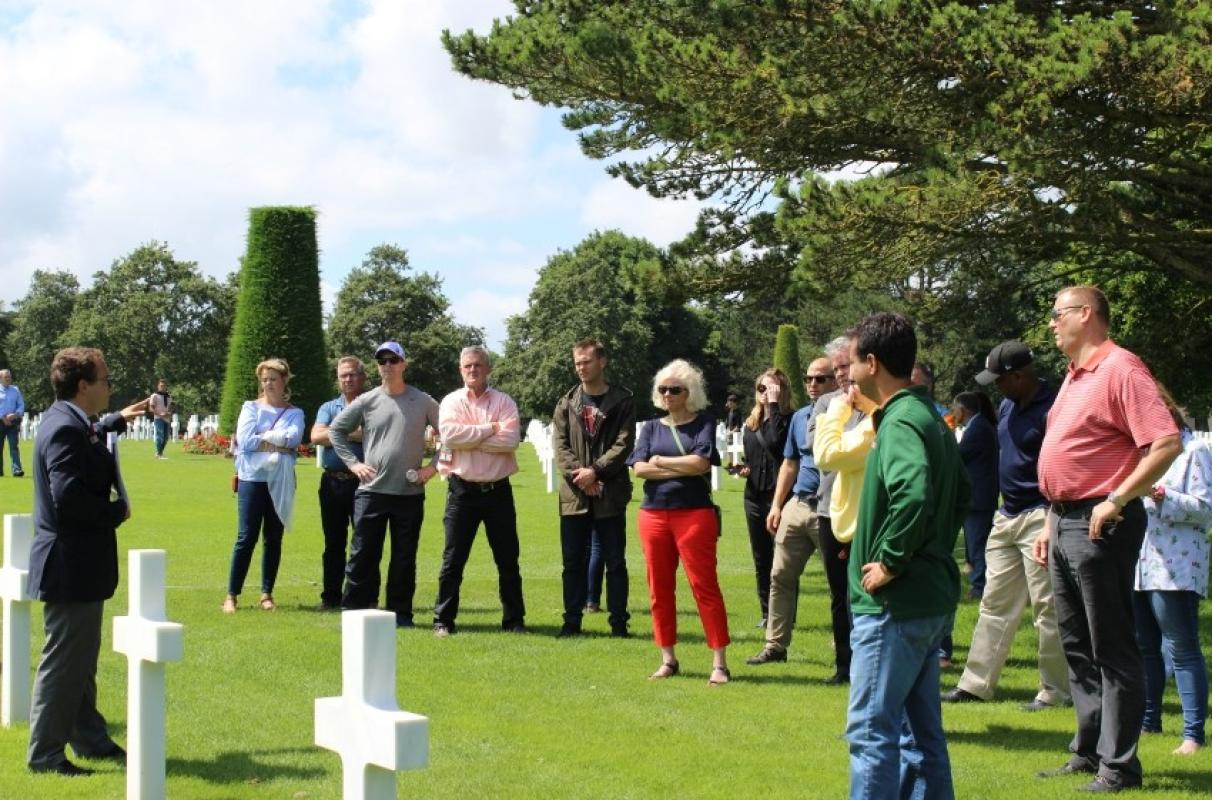
Today the American Battle Monuments Commission administers 26 cemeteries and 31 monuments in 17 countries. It has also expanded its commitment to education, offering interpretive services at its overseas sites and educational programming for the American public.
More than a century after the war that led to its creation, the Commission continues to fulfill the promise made by General Pershing:
“Time will not dim the glory of their deeds.”
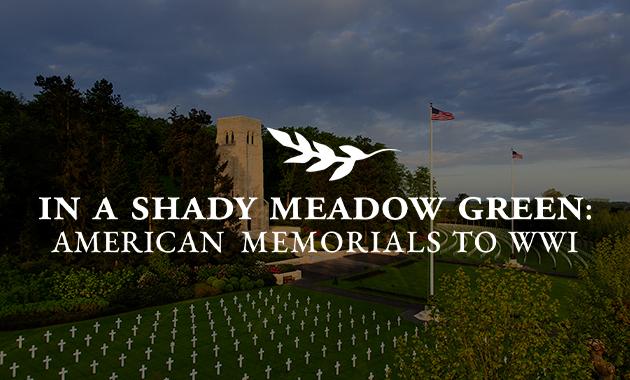
In a Shady Meadow Green: American Memorials to WWI
This sprawling digital exhibition uses primary sources and images from the American Battle Monuments Commission and National WWI Museum and Memorial to explore how Americans – individuals, communities and the nation – honored those lost in the Great War. It invites reflection on a timeless question: What is the purpose of a memorial?