How long did World War I last? Who fought whom? Journey through the story of the Great War with our Interactive WWI Timeline, covering the world events of 1914 ‑ 1920.
Interactive timeline showing 97 events, one at a time. Use the previous and next buttons, or the left and right arrow keys, to move between events. The timeline navigation below lets you jump to any event.
-
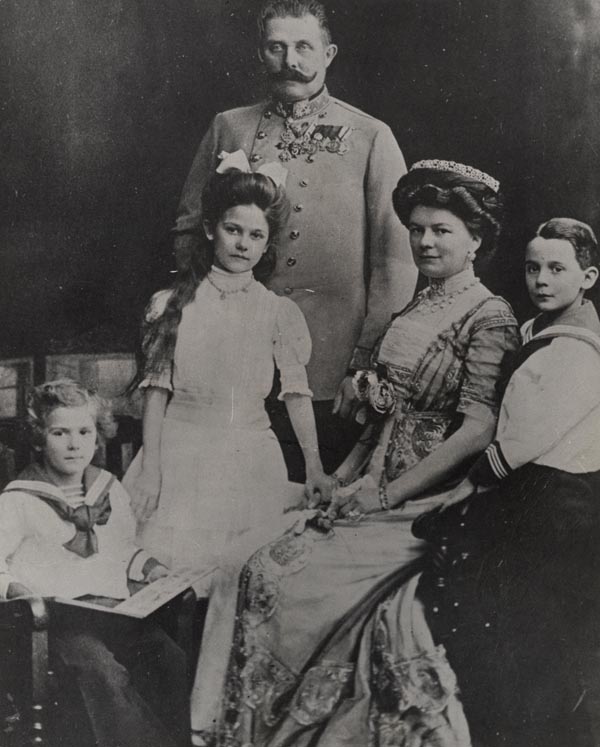
Archduke Franz Ferdinand of the Austro-Hungarian Empire is assassinated in Sarajevo
Franz Ferdinand and his wife, Sophie the Duchess of Hohenburg, are killed by Bosnian Serb nationalist Gavrilo Princip. The Austrian government suspects that Serbia is responsible.
-
Austria-Hungary declares war on Serbia. World War I begins
“This is a dark day and a dark hour. The sword is being forced into my hand. This war will demand of us enormous sacrifice in life and money, but we shall show our foes what it is to provoke Germany.”
– Kaiser Wilhelm II, July 31, 1914
-
In one month, the world erupts in war
-
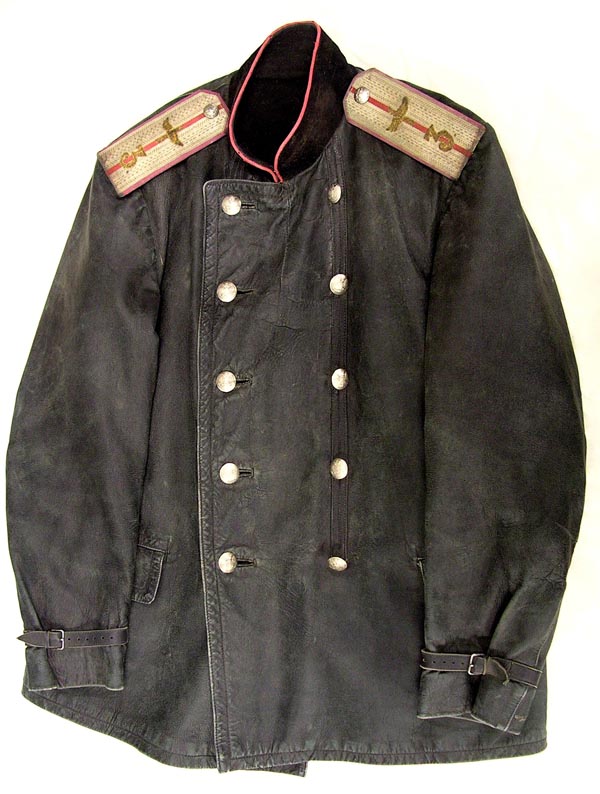
Russians are defeated at Battle of Tannenberg
On the eastern front, Germans shatter the Russian Second Army and take over 92,000 prisoners at the Battle of Tannenberg.
-
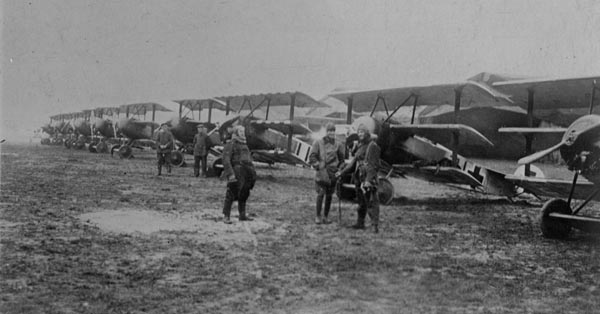
Germans conduct air raid on Paris
The attack has little military value, but is intended to terrorize civilians.
-
Germans stopped at First Battle of the Marne
German invasion of France is stopped in the First Battle of the Marne as German troops are forced to the north side of the Marne River, causing the the Schlieffen Plan to fail.
-
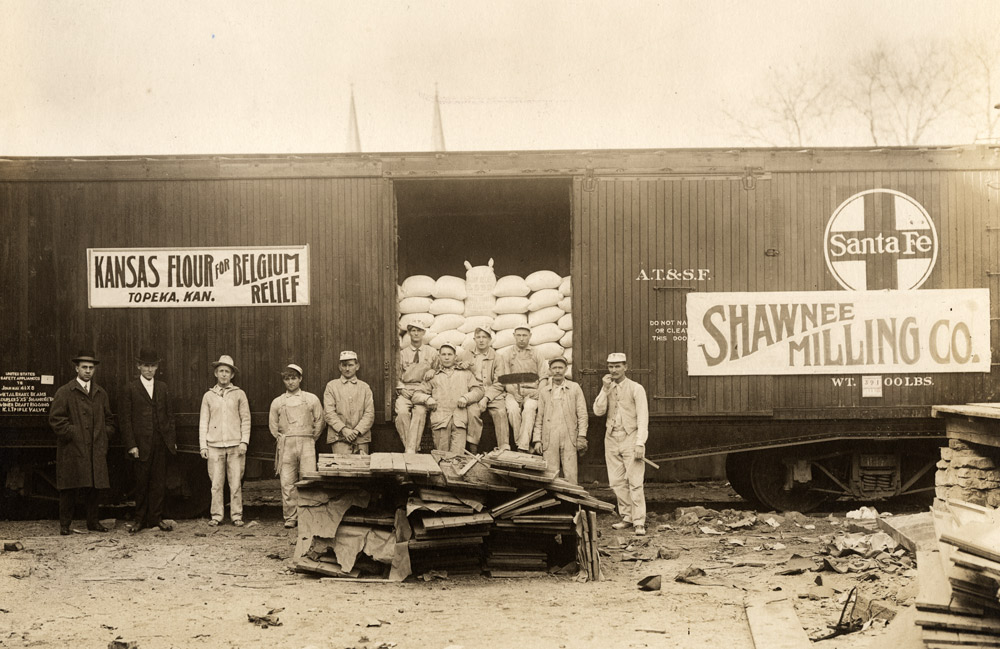
Commission for Relief in Belgium Founded
October 1914: Responding to need, the Commission for Relief in Belgium (CRB) is created by Herbert Hoover, who is at the time a mining engineer and consultant living in London. The CRB distributes millions of tons of food to civilians in Belgium and northern France.
Hoover goes on to be appointed director of the U.S. Food Administration in 1917 by President Wilson.
-
In First Battle of Ypres, entrenched Allies fight off German assault
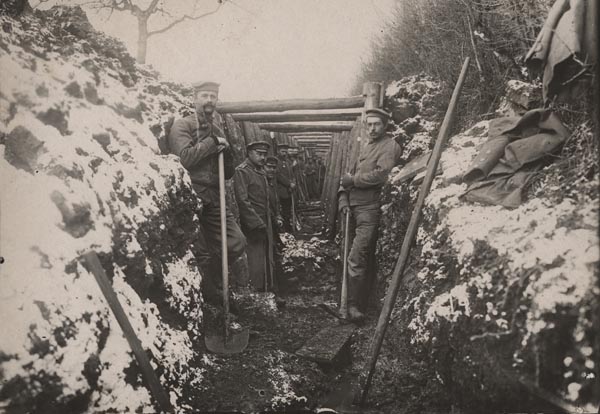
As the armies tried to out flank each other, they extended their lines to the English Channel and began trench warfare. Ypres, a Belgian city and communications hub, was essential to both sides. In the First Battle of Ypres, entrenched Allies fight off German assault. Germans give up their offensive by November 24 as winter and stormy weather set in.
-
Japan attacks and captures Tsingtao, China
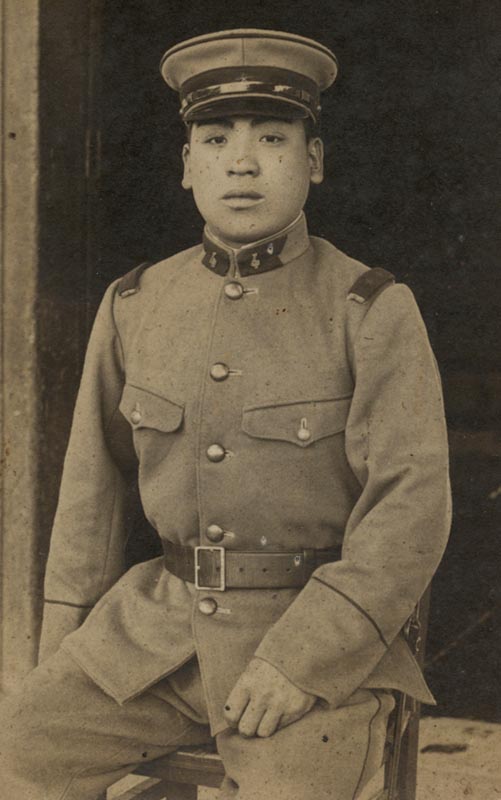
Held by the Germans since 1898, Tsingtao is a lightly garrisoned port city on the Yellow Sea. The Germans surrender on November 6.
-
Christmas Truce Observed on Western Front
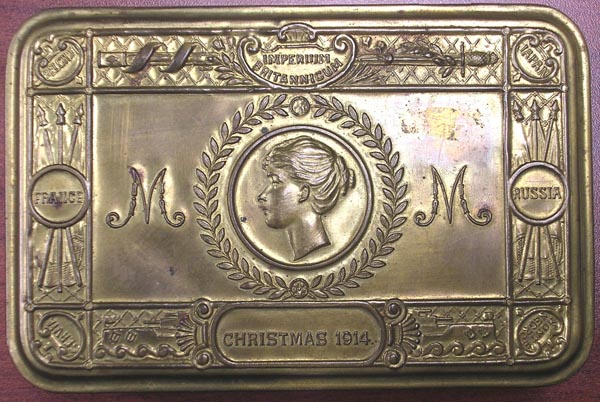
The sound of Christmas carols across No Man’s Land encourages troops from both sides to exchange greetings. The truce is spontaneous and was experienced by hundreds, perhaps thousands, of soldiers.
-
Bread rationing is introduced in Germany
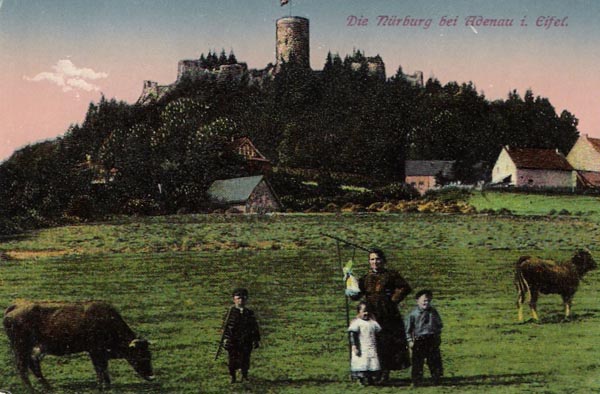
Each citizen and neutral foreign national is issued a bread card for an initial daily quota of 225 grams (about 8 ounces).
-
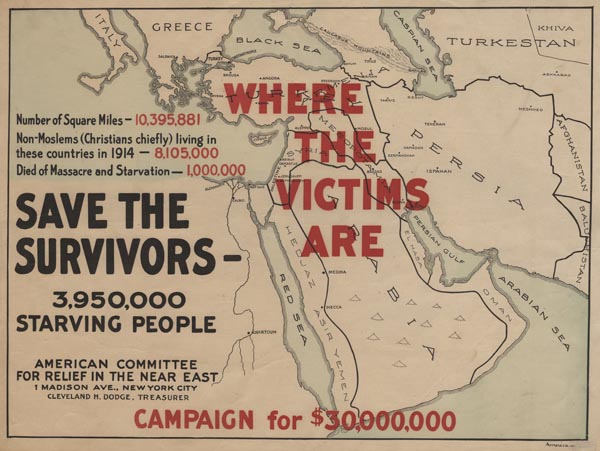
Turkish army disarms its Armenian troops
Ottoman Turkish army disarms and segregates Armenian soldiers into labor battalions fearing Christian Armenians are aiding Orthodox Russians in their fight against Turkey. In 1915, 1,000,000 Armenians are forcibly removed to Syria and Mesopotamia.
-
German saboteurs at work in America
A German officer, Werner Horn, is arrested in Maine for a bombing that damages the Saint Croix-Vanceboro Railway Bridge, which connects the U.S. and Canada.
-
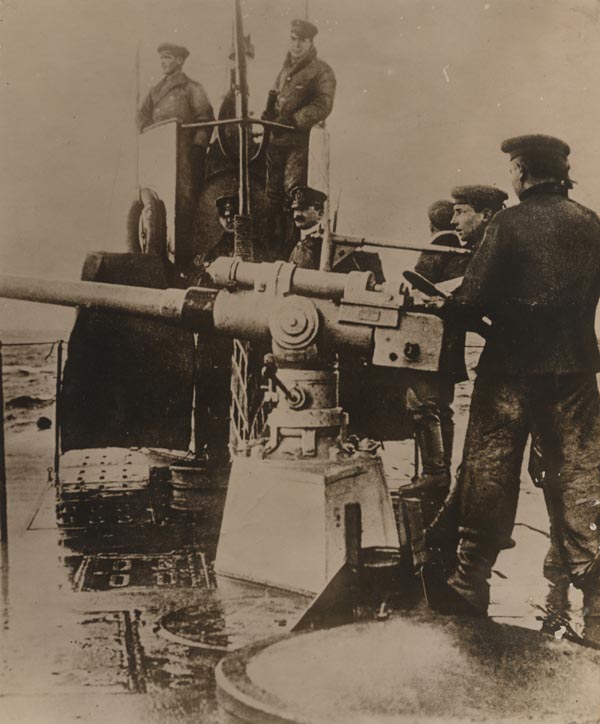
Germany threatens submarine warfare against merchant vessels
Germany warns that neutral vessels in British waters “would be destroyed without it always being possible to warn the crews and passengers.”
Learn more about Germany's use of unrestricted submarine warfare.
-
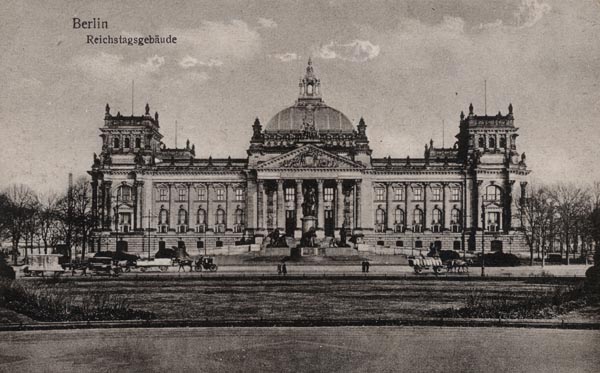
German women demonstrate for peace
Several thousand women demonstrate for peace before the German Reichstag [Parliament].
-
(Audio) In Second Battle of Ypres, Germans use poison gas
In the Second Battle of Ypres, the Germans open the assault with a chlorine gas attack, the first successful use of poison gas on the Western Front; more than 10,000 Allied troops are affected, over half of whom died. By May 25, the Allies withdraw. The effects of a gas attack are vividly described in Wilfred Owen’s poem, Dulce et Decorum Est, written in 1917.
-
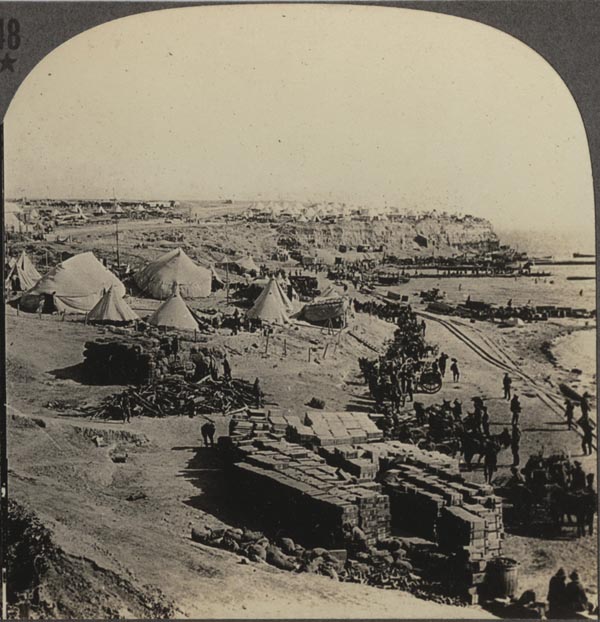
Allies land in Gallipoli, Turkey
Allies, including Australian and New Zealand troops, land in Gallipoli, Turkey at Helles and Anzac Cove. The Turkish controlled peninsula of twisting shorelines protects the Dardanelle Straits- a key international waterway connecting the Mediterranean Sea to the Black Sea.
-
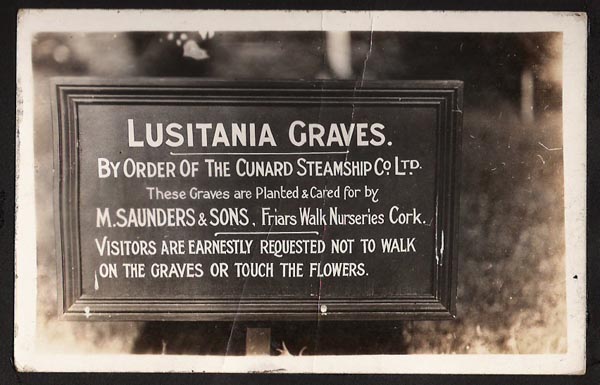
German U-boat torpedoes the Lusitania
The Cunard passenger ship Lusitania sinks in British waters. It was attacked by German U-boat U-20, commanded by Kapitanleutnant Walther Schwieger.
A total of 1,198 drown, including many women and children and 128 U.S. citizens. Germans will end unlimited submarine warfare on passenger liners on September 1, 1915 because of worldwide outrage at this attack on civilian shipping.
-
Third Allied offensive on Gallipoli fails
A final attempt by Allied troops to take Krithia, a coastal city in Turkey, is unsuccessful. Field Marshal Kitchener decides to send three additional divisions as reinforcements. The Turks also bring in additional troops.
“After the battles of 4 and 6 June the land in between the trenches was covered with dead. As the Turkish firing was almost incessant at night, and the dead were so numerous, it was impossible to bury a big proportion of them.”
– 2nd Lt. G.D. Horridge, Lancashire Fusiliers
-
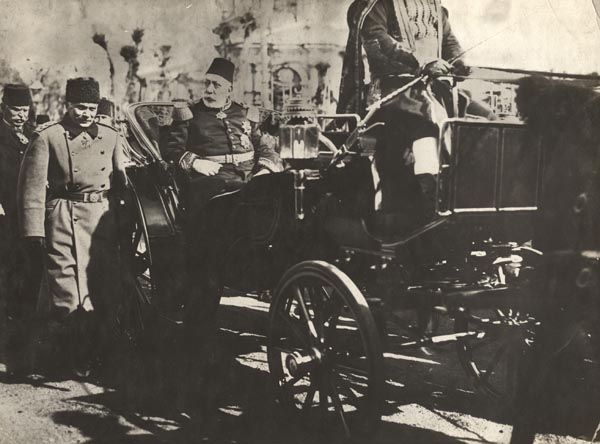
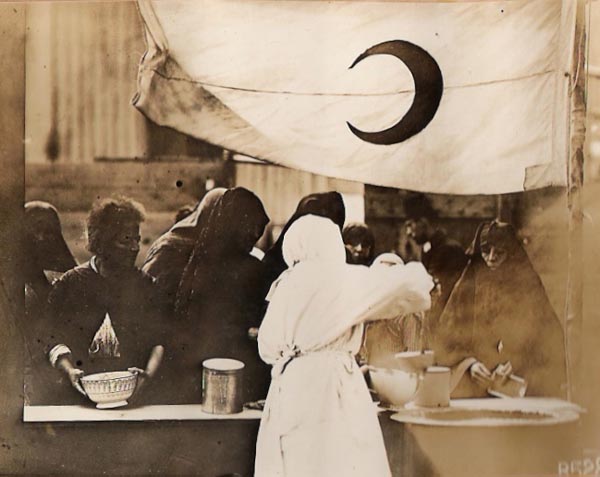
The first bread lines are seen in Constantinople, Turkey
-
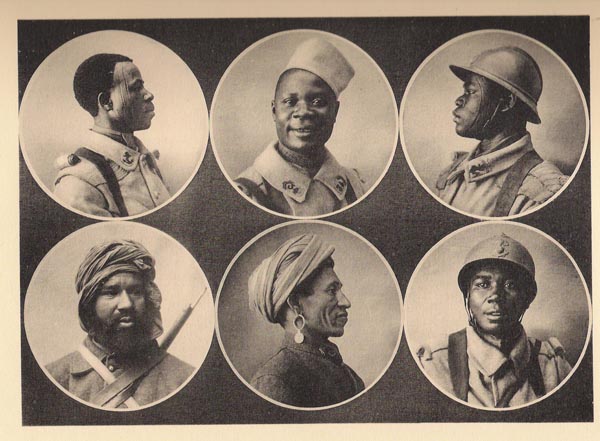
German forces in South-West Africa surrender to General Botha of South Africa
A six-month campaign conquers the German colony, capturing its wireless stations and strategic harbors.
-
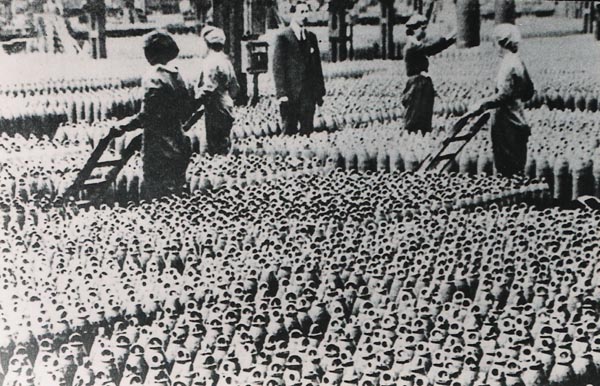
In London, women demonstrate for the right to work in war industries
In London, women demonstrate for the right to work in war industries with banners proclaiming: “Women Demand the Right to Serve” and “The Situation is Serious – Women Must Help To Save It.”
-
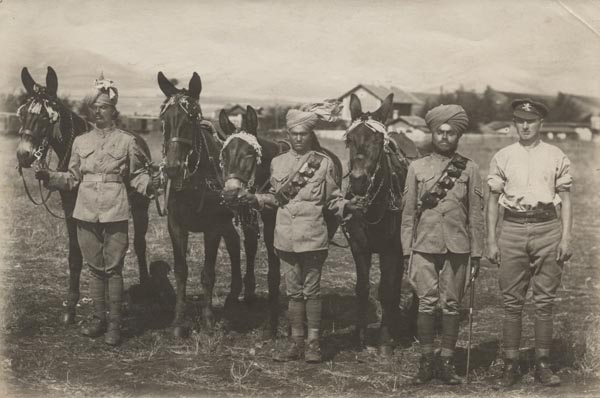
Allied troops enter Kut-al-Amara in Mesopotamia
British and Indian forces move up the Tigris River to capture Kut-al-Amara in Mesopotamia from Turkish forces. Their ultimate goal is Baghdad, roughly 100 miles from present-day Baghdad in Iraq. They will surrender their forces in April, 1916.
-
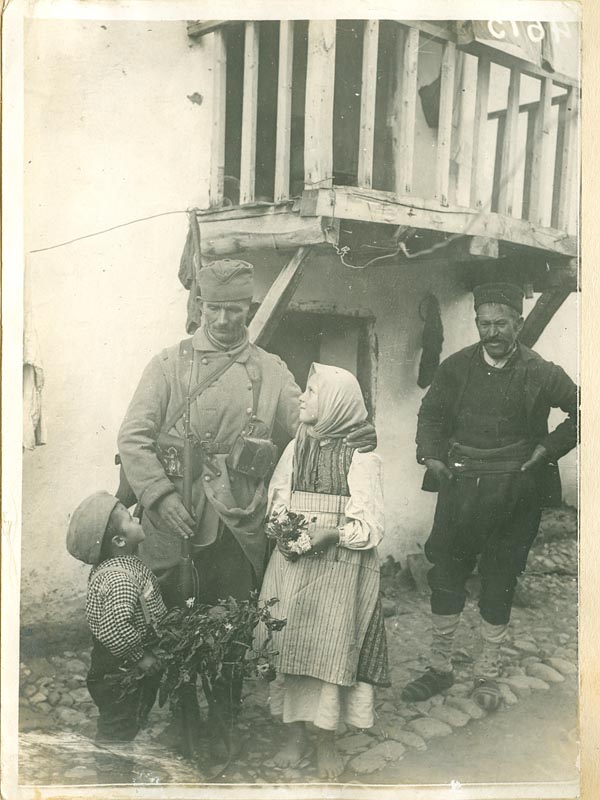
Serbia is invaded by Germany, Austria and Bulgaria
The Central Powers troops cross the Danube River and within days capture Belgrade. A massive Serbian retreat follows. Soldiers and their families made their way to the Albanian border through mountains and a steady snowfall.
-
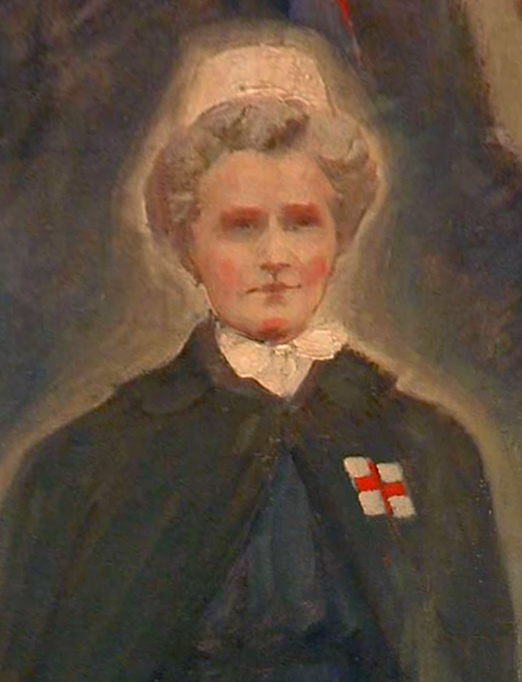
British nurse Edith Cavell is executed
British nurse Edith Cavell, a nursing instructor working with the Red Cross, is shot by Germans at 7 a.m. under accusations of being a spy and helping Allied soldiers escape Belgium. She was charged with espionage five days after her execution.
-
Germans begin Battle of Verdun with heavy artillery barrage
The German code name for the attack in the Meuse region of France (toward the direction of Verdun) is Gericht, ‘place of execution.’ Verdun becomes the symbol of France’s determination to defend its national pride and honor. “They shall not pass” (On ne passe pas) becomes the battle cry. The battle of Verdun would continue for the rest of the year.
-
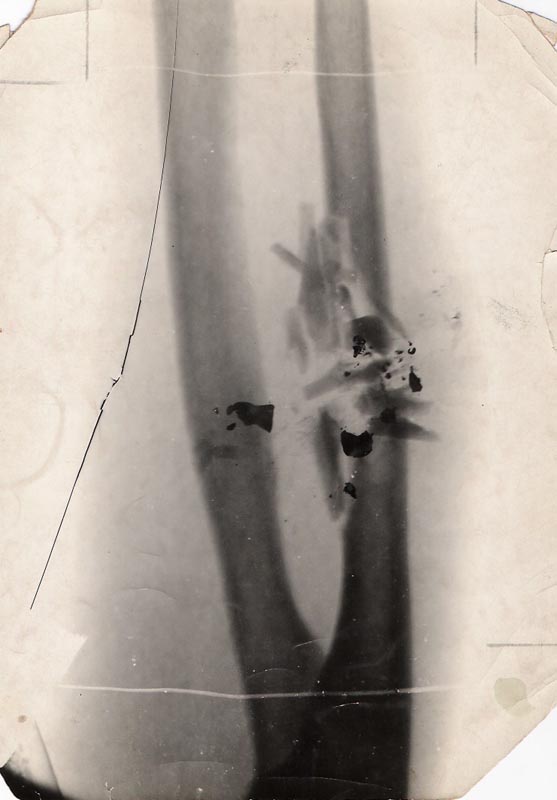
Marie Curie involved in the war effort
Marie Curie helps to equip ambulances with X-ray equipment so wounded soldiers at the front can receive immediate care.
-
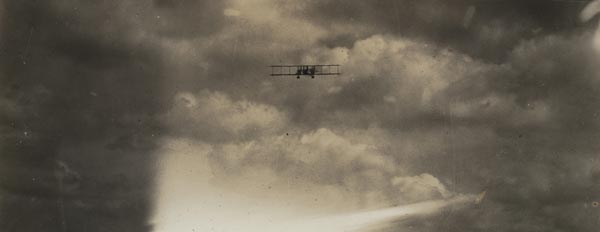
The Escadrille Américaine, later the Lafayette Escadrille, is formed
This French Army flying unit is composed mostly of American volunteers. Thirty-eight Americans serve in the Lafayette Escadrille and are credited with 57 victories.
-
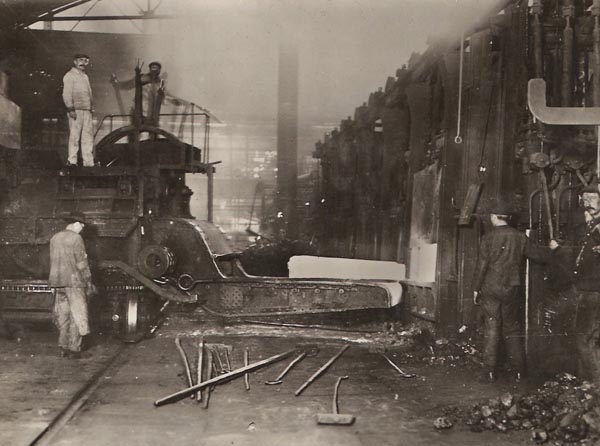
Belgians deported to Germany as forced labor
German troops begin to round up Belgian workers for deportation to Germany. They are assembled in daily batches of 1,400 men and women in equal numbers.
-
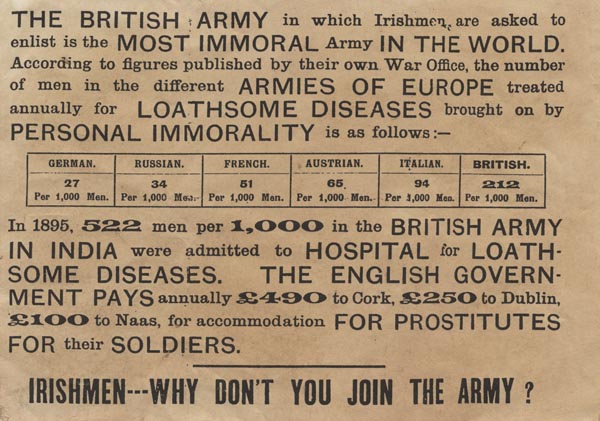
In the Easter Rising, Irish nationalists fight British occupation
-
Anti-war demonstrations take place in Germany
Anti-war demonstrations take place in Berlin, Jena, Dresden and other German cities.
-
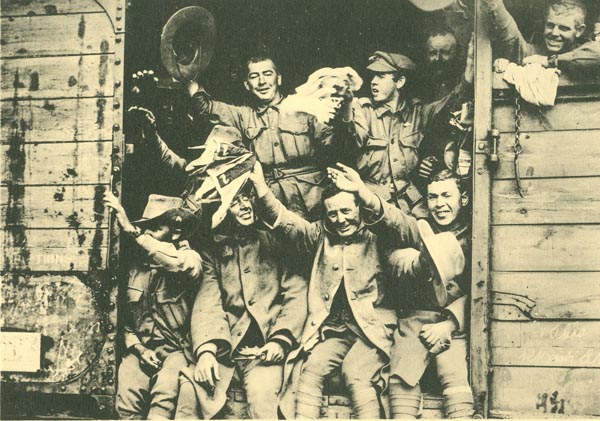
ANZACs arrive in France
The ANZACs are troops from the British Commonwealth countries of Australia and New Zealand.
-
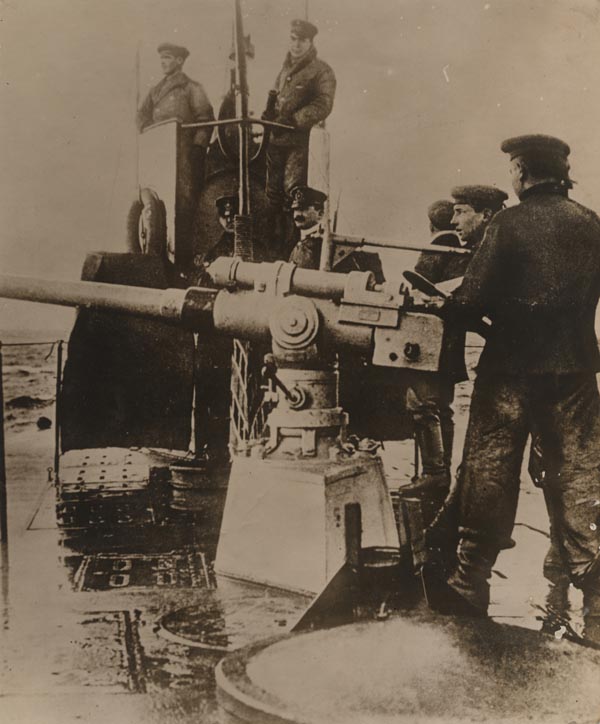
Submarine warfare is suspended
After the March 24 sinking of the passenger ship, Sussex, Woodrow Wilson again threatened breaking off relations with Germany. To avert the threat of America entering the war on the side of the Allies, the Germans call off their campaign of unrestricted submarine warfare.
-
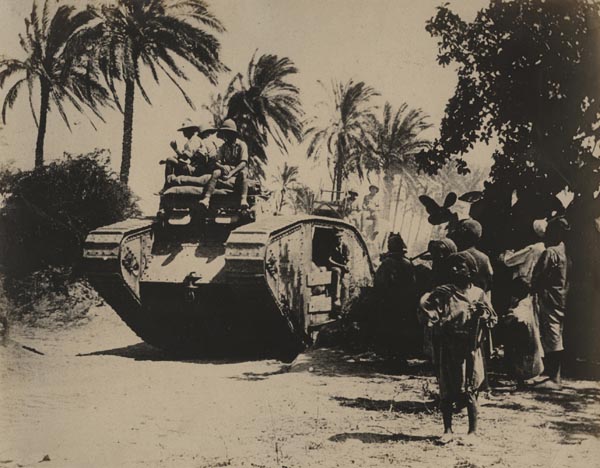
Secret pact divides Middle East between British and French interests
The Sykes-Picot Agreement undermines Arab hopes for independence. Syria and Lebanon are placed in the French orbit, while Britain claims Jordan, Iraq, the Gulf states and the Palestinian Mandate.
-
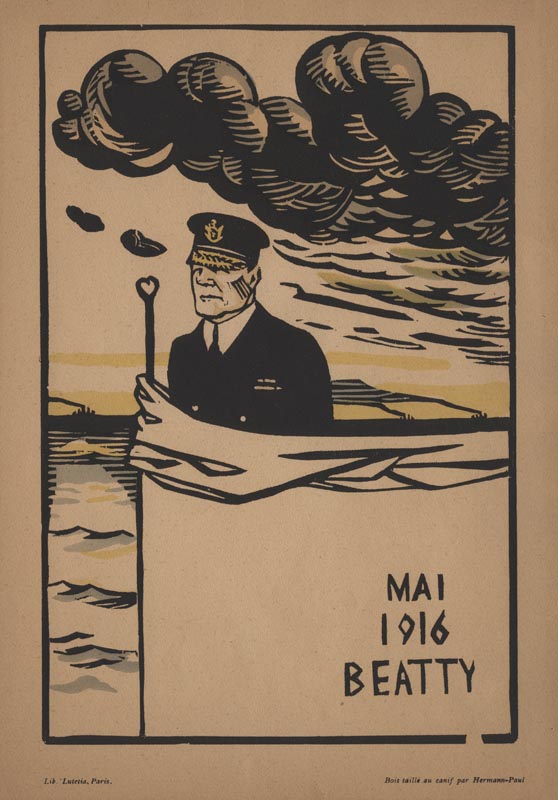
German and British navies clash in the Battle of Jutland
Off the coast of Denmark, the Germans try to break through the British blockade of German ports. In the two-day battle, the British lose 111,980 tons of shipping with 6,945 casualties. The Germans lose 62,233 tons of shipping with 2,921 casualties. Each side claims victory.
-
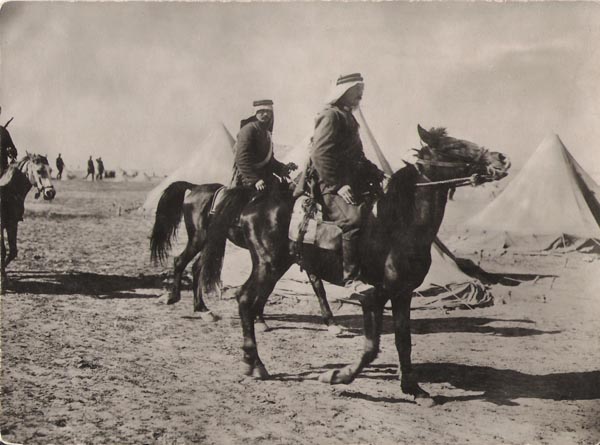
Arab revolt in the Hejaz begins
The “Great Arab Rising”, a nationalist rise to throw off Ottoman rule, is led by Sherif Hussein of Mecca, King of the Hedjaz, and his son Emir Feisal. Mecca, Medina and Jeddah come under attack.
-
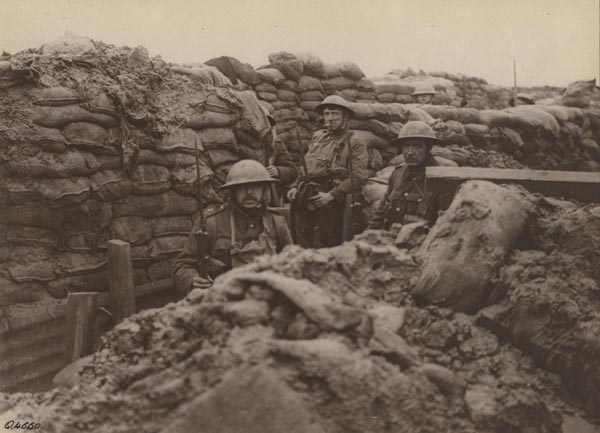
The Battle of the Somme begins
In an effort to draw German troops away from Verdun, the Allies mount a major offensive that opens with a large-scale artillery barrage that lasts five days. In one day, as German machine gunners rake the advancing troops, 20,000 British are killed and 40,000 more wounded. The devastating Battle of the Somme will continue through the summer and end in November. The British gain is a modest six miles. The casualty count is horrific: 419,000 British, 194,000 French and 650,000 Germans.
-
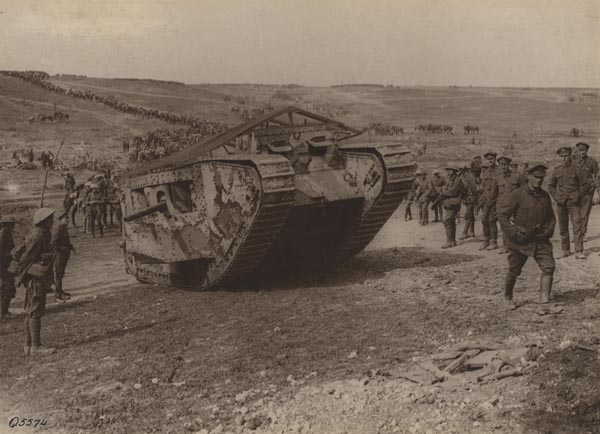
British use tanks for the first time at Somme
Thirty-six tanks are secretly shipped to the front and used in the Battle of Flers-Courcelette, near the Somme. However, mechanical malfunctions and inexperienced crews greatly hampered the tanks’ effectiveness.
-
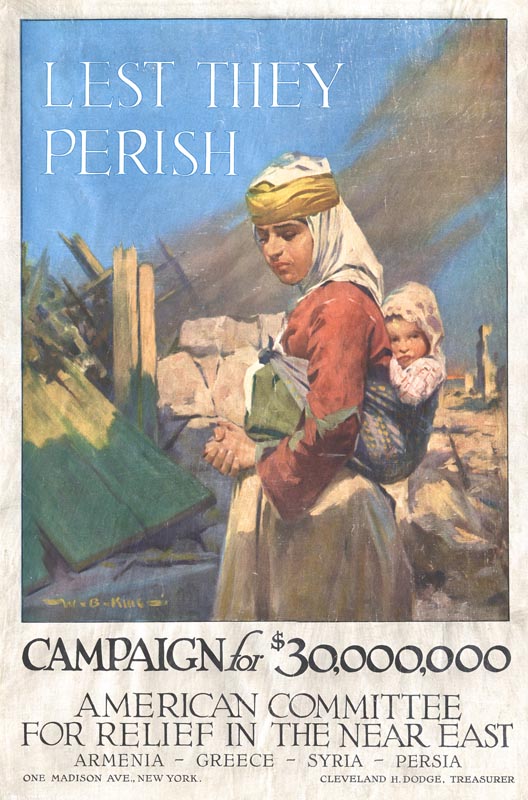
Armenian massacres denounced in Reichstag
News of Armenian massacres began to surface in Europe and America in August of 1915, and began causing outrage and alarm. Nearly a year later, these events were addressed within the German government by Dr. Siegfried Heckscher as he spoke to the Reichstag stating: “The massacres in Armenia have had a most fearful effect. They work against us, especially in America. Couldn’t we have prevented them?”
-
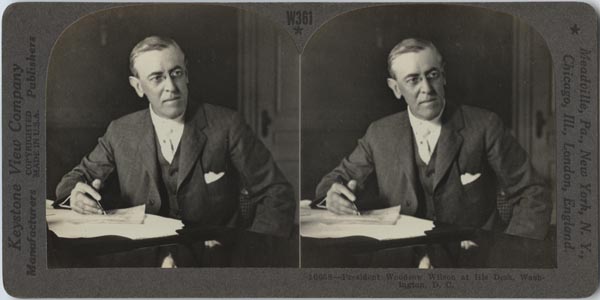
U.S. President Wilson is reelected
The Democrats run on the slogan, “He kept us out of war.” The Republican candidate, Charles Evans Hughes, is perceived as a warmonger and loses the election.
-
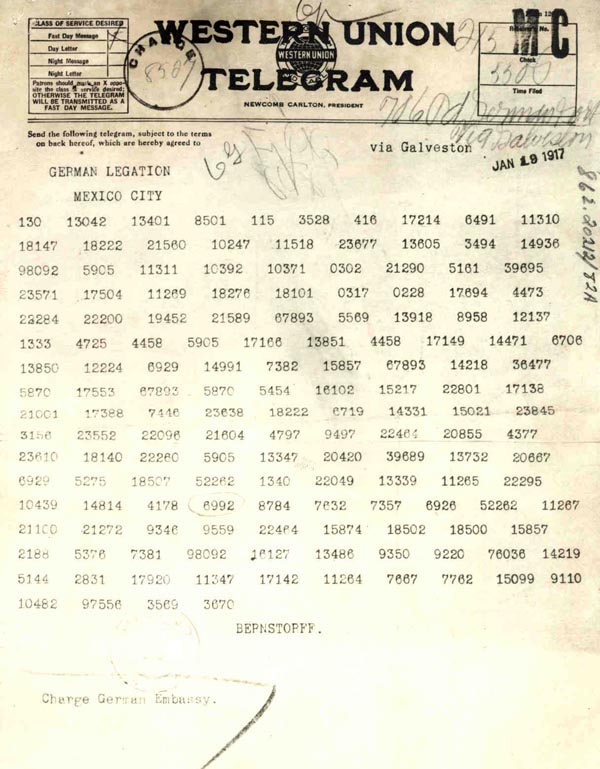
United States is alerted about the Zimmermann Telegram, which reveals German plot against America
Intercepted weeks earlier by the British intelligence service, the United States is alerted about the Zimmermann Telegram. In the decoded message, German Foreign Minister Arthur Zimmermann promises the return of Texas, New Mexico and Arizona to Mexico as reward for siding with Germany if the U.S. enters the war.
-
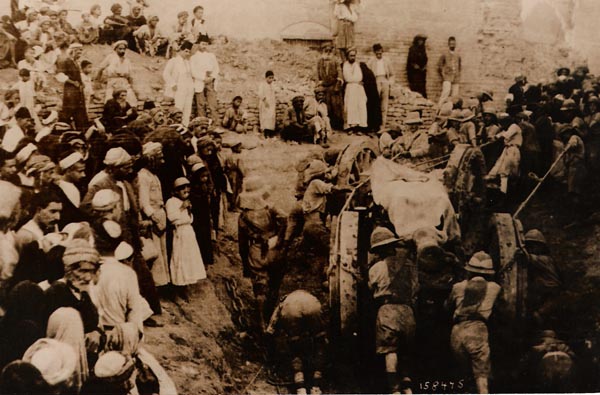
The British enter Baghdad
Supported by British gunboats traveling up the Tigris River, Anglo-Indian troops continue their advance toward Baghdad; upon arrival they discover the Turks have abandoned the city. Mesopotamia is under British control.
-
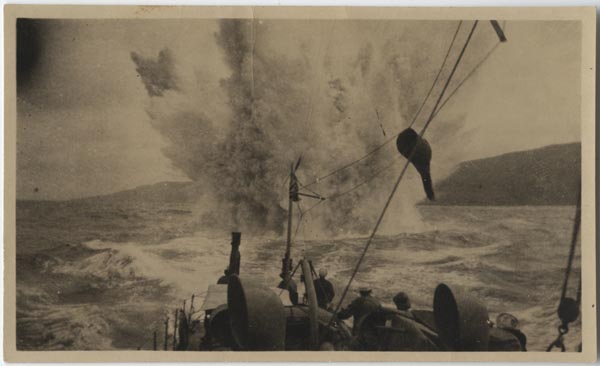
German U-boat sinks the S.S. Aztec
The American steamer Aztec is torpedoed without warning by a German U-boat as it enters British waters. Twenty-eight Americans drown.
-
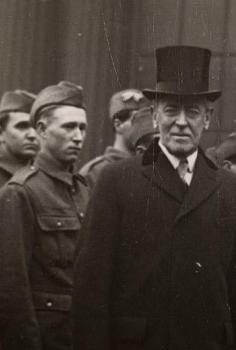
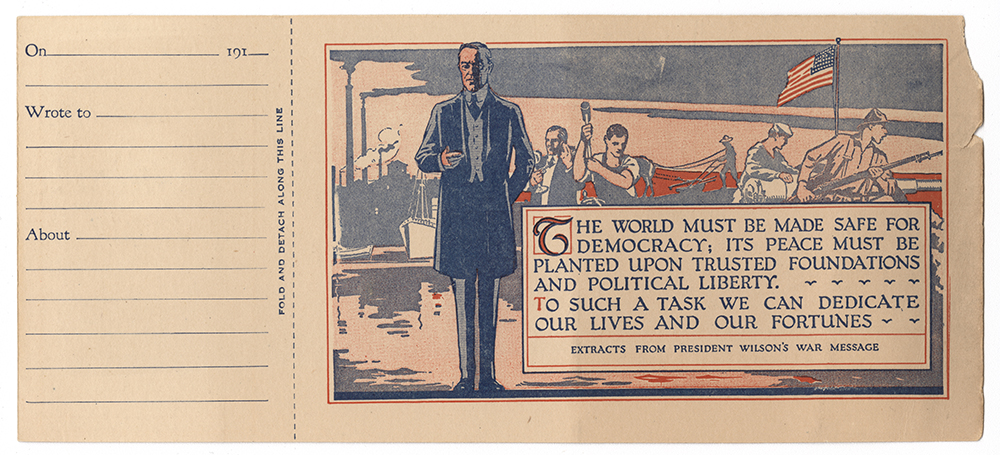
President Wilson delivers his war message to Congress.
President Wilson delivers his war message in a historic joint session of the House and Senate, stating that the world must be made “safe for democracy” and asks for a declaration of war.
-
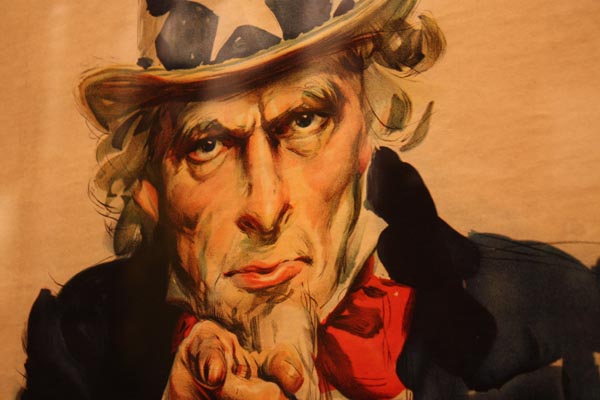
The United States declares war on Germany
The day after an overwhelming majority in the Senate votes for war, President Wilson signs the declaration. The United States quickly puts the entire country on the road to war. Going from a standing army of 133,000 men with almost no heavy artillery pieces, millions of men were inducted into the armed forces over the next two years and given basic combat training.
-
Lenin arrives in Petrograd, Russia
Germans smuggle Vladimir Lenin, leader of the Bolsheviks, back into Russia from his exile in Switzerland, hoping he can spur a mass strike of Russian workers.
“Dear comrades, soldiers, sailors and workers, I am happy to greet...you as the vanguard of the world-wide proletarian army. The Revolution must not mean that the new class rules, governs, through the state machinery, but that this class smashes that machinery, and rules, governs, through new machinery.”
– V.I. Lenin
-
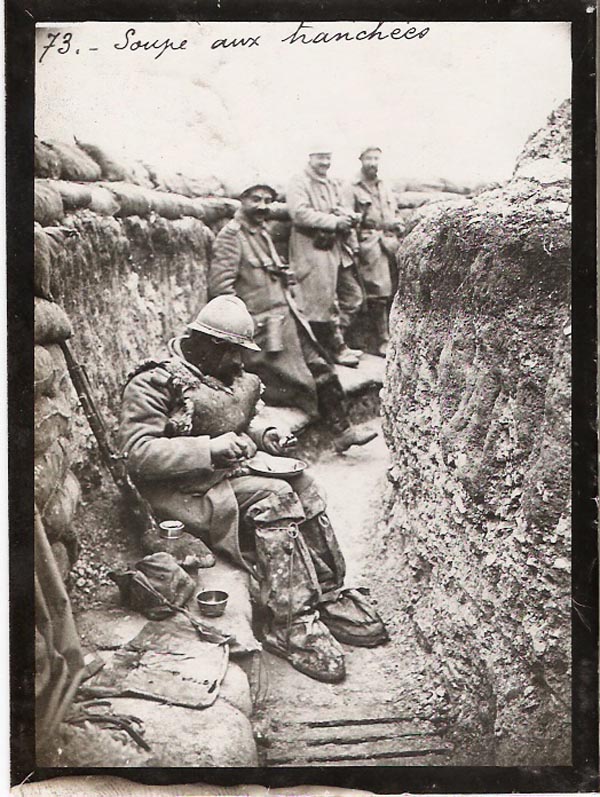
Mutinies roil the French Army
Long periods in the front line without relief and multiple military setbacks, including a disastrous and failed aggressive assault on the German line, cause thousands of troops to mutiny. For nearly a month, troops will defend but not attack. Of the 22,385 found guilty of mutiny, 55 are recorded as shot.
-
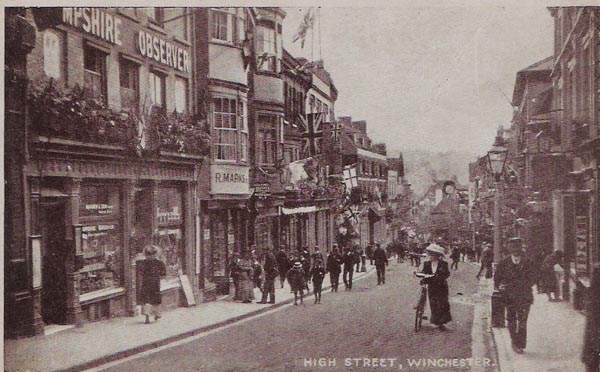
English workers call strikes
Over 250,000 engineers protest long hours, low wages, and shortages of food and fuel.
-
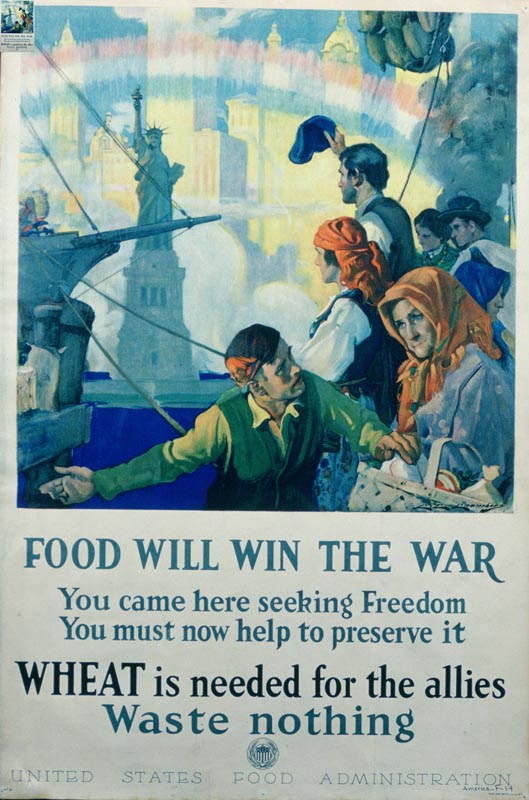
Herbert Hoover is appointed head of the U.S. Food Administration
Herbert Hoover calls on Americans to help the war effort and save food; his program is voluntary and does not impose any regulations or rationing. He states, “The whole foundation of democracy lies in the individual initiative of its people and their willingness to serve the interests of the nation with complete self-effacement in the time of emergency.” –Herbert Hoover, May 5, 1917
-
The concept of “Total War” becomes reality
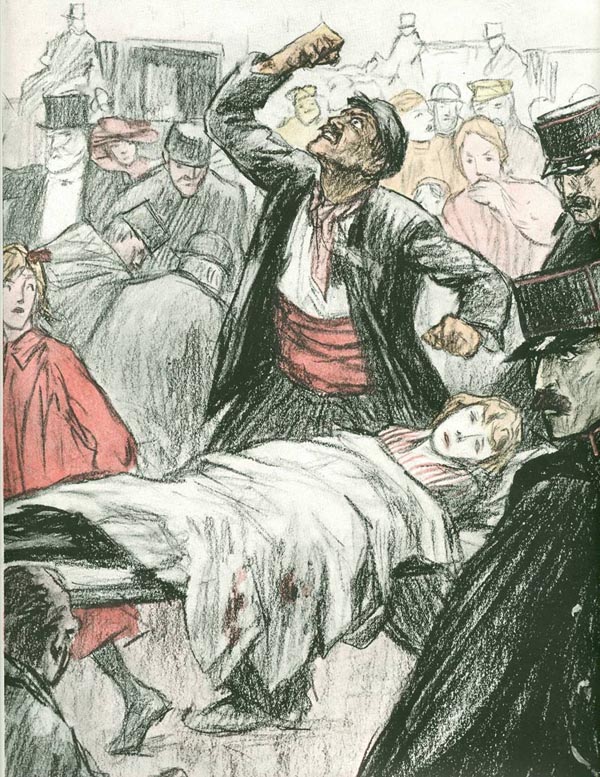
Folkestone, England is bombed by German Gotha airplanes leading to 95 civilian casualties while 195 are injured. The concept of strategic bombing of civilian targets introduces the reality of “Total War” (Totalen Krieg) to England and the world.
-
(AUDIO) Millions of American men register for service on the first day of the draft
On the first day of the draft, millions of American men register for service under the Selective Service Act signed on May 18. Throughout the country, 9,586,508 men, ages 21 to 31, register at their local draft boards; in many places they are greeted by military bands and cheering onlookers.
-
Congress enacts the Espionage Act
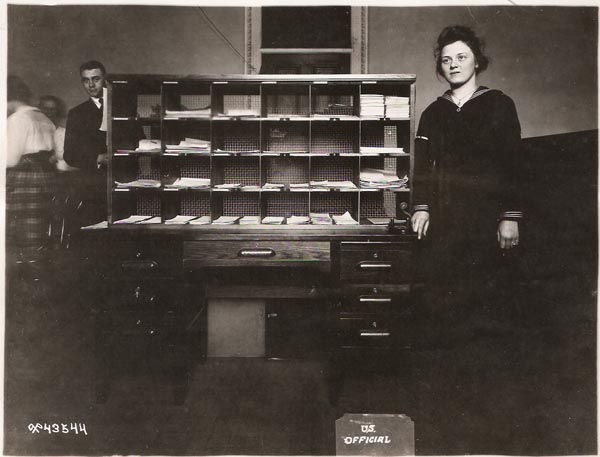
The new law allows the government to censor publications sent through the mail; it makes it a crime to aid enemy nations or interfere with the draft.
-
First American Troops Land in France
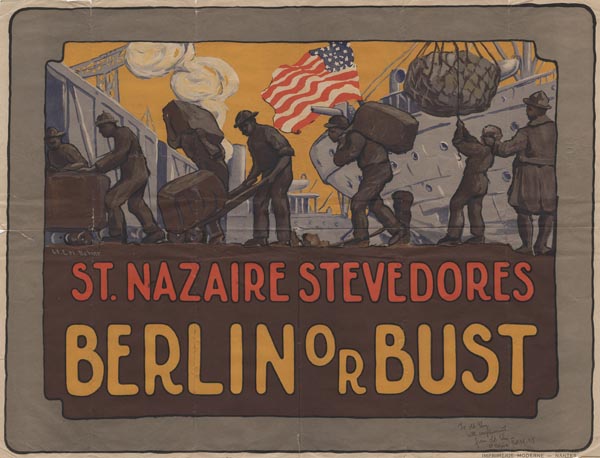
Heywood Broun, a correspondent with the American Expeditionary Forces, stated, “American blacks in stevedore service were the first American arrivals in France in June 1917. They had been outfitted with old overcoats of the period shortly after the Civil War: blue coats with gold buttons and a lining of crimson.”
Serving in segregated units and primarily assigned to manual labor, African American men and women defended democracy overseas, while not receiving the full rights of citizenship at home. The 369th Infantry, also known as the Black Rattlers, will have the distinction of serving the longest frontline service (191 days in trenches) of any American regiment and will be awarded the French Croix de Guerre.
-
First American Troops Land in France
General John J. Pershing, Commander-in-Chief of the American Expeditionary Forces (AEF), greets the infantrymen and engineers as they step ashore. “They are sturdy rookies - we shall make great soldiers of them,” he is reported to have said.
Watch video: From the Archives - Allied Troops Unloading Ship
-
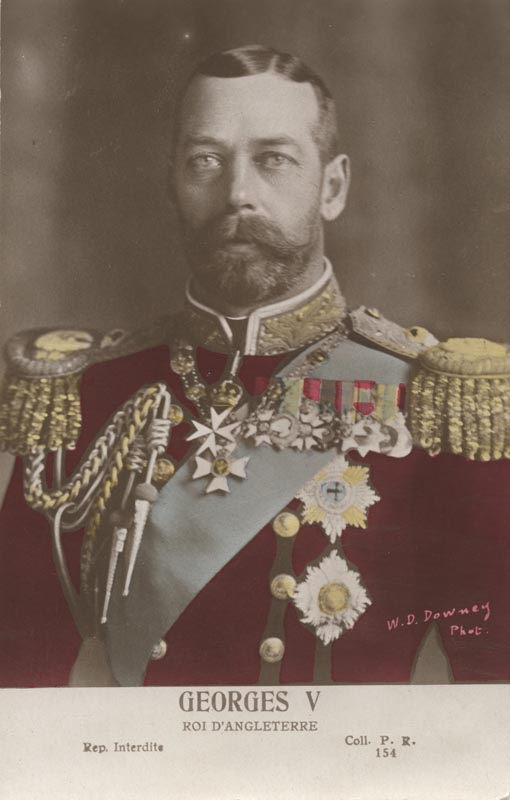
George V renounces his German heritage
The King of Great Britain gives up all of his German titles and formal associations with the House of Saxe-Coburg-Gotha and renames his dynasty ‘the House of Windsor.’
-
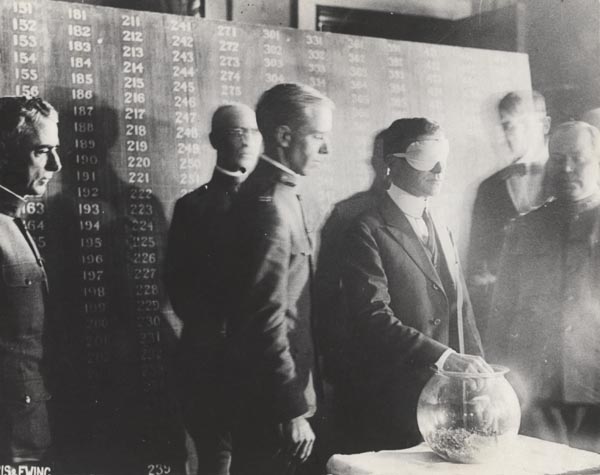
First American draftees are chosen by lottery
In Washington, D.C., a blindfolded Secretary of War Newton D. Baker draws the first capsules from a large fishbowl in a lottery for the first American draftees, as prescribed under the Selective Service Act.
-
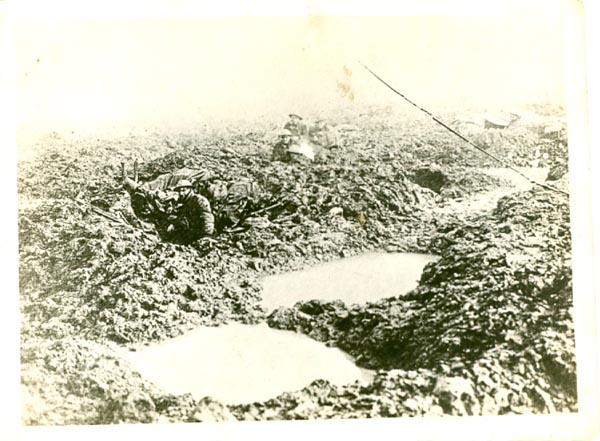
British launch Third Battle of Ypres against the Germans
In the first two weeks of battle, British artillery units fire 4,283,550 shells at German lines near the Flemish town of Passchendaele. The campaign ends by Nov. 10.
-
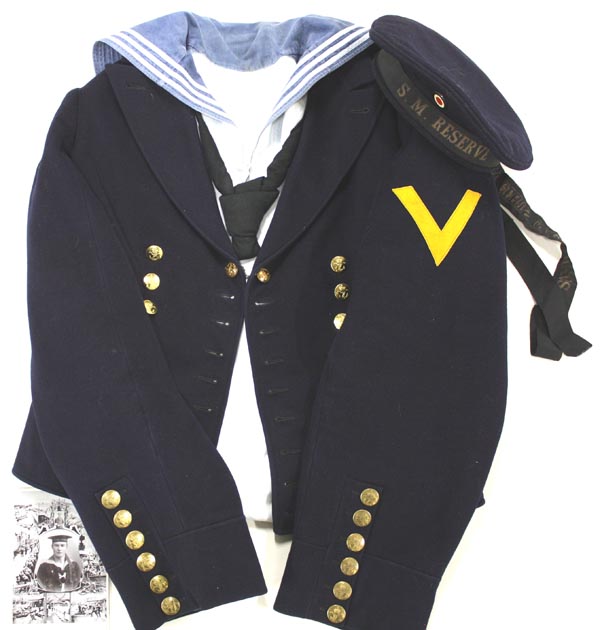
German sailors mutiny
Battleship crews protest poor food and living conditions. On September 9, the mutiny is revealed to the Reichstag and two of the mutiny’s leaders are executed days later.
-
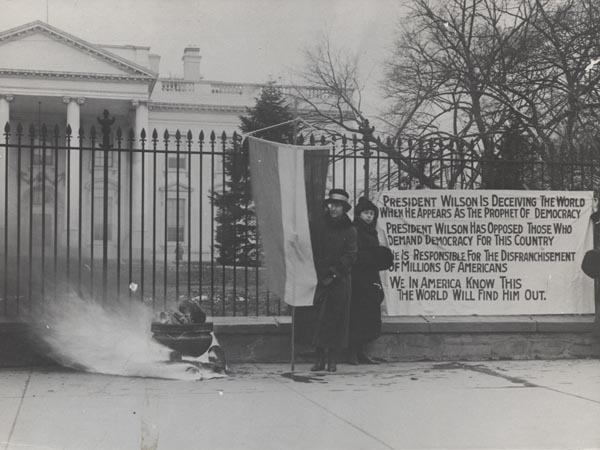
Suffragists are arrested at the White House
Ten suffragists are arrested at the White House for carrying placards demanding the right to vote for women. Four of the demonstrators are sentenced to prison.
-
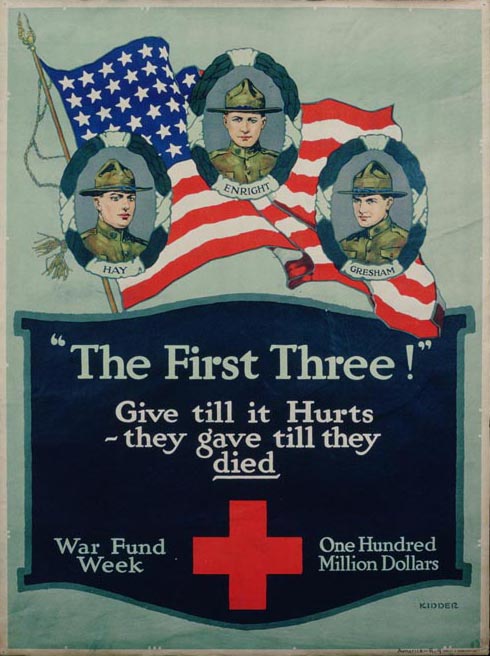
First American Combat Soldiers Killed
Soldiers of the First Division enter combat on the Western Front under French command. It is less than two weeks later, on Nov. 1, when First American soldiers, members of the 1st Division, are killed in action: James Gresham, Merle D. Hay and Thomas F. Enright
-
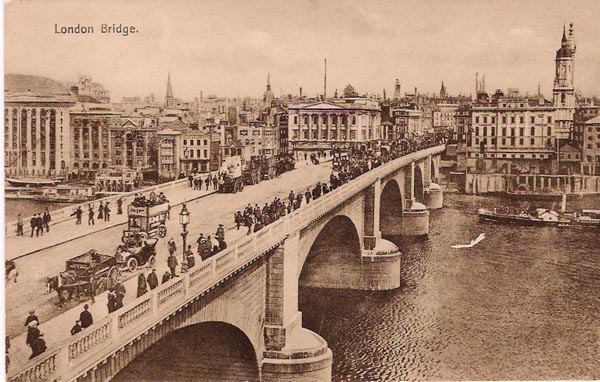
The Balfour Declaration is presented in London
Named for its author Lord Balfour, the declaration expresses the British government’s support of the establishment of “a national home for the Jewish people” in Palestine.
-
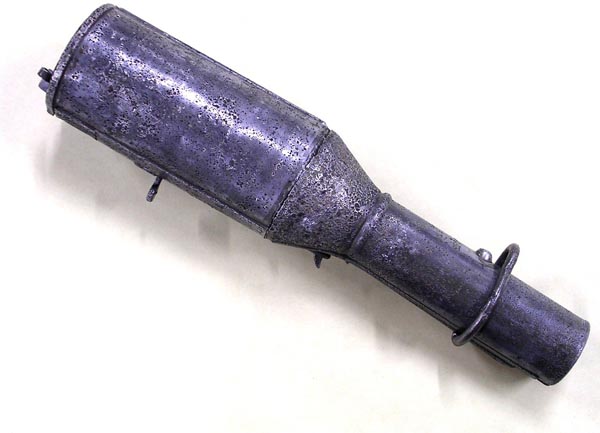
Bolsheviks seize power in Russia
Less than two months after being declared a “socialist republic”, Lenin’s forces succeed in overthrowing the Kerensky government. The Bolsheviks demand a “just and immediate peace.”
-
British tanks gain victory at Cambrai on the Western Front
The Germans are taken by surprise since no artillery barrage precedes the attack. The tanks penetrate the lines by more than 10,000 yards. Ten days later, the Germans counterattack, regaining most ground lost.
-
Explosion of munitions ship decimates city of Halifax, Nova Scotia
A French ship carrying a full cargo of munitions explodes when it collides with a Belgian relief ship. Over 2,000 people are killed and 9,000 injured.
-
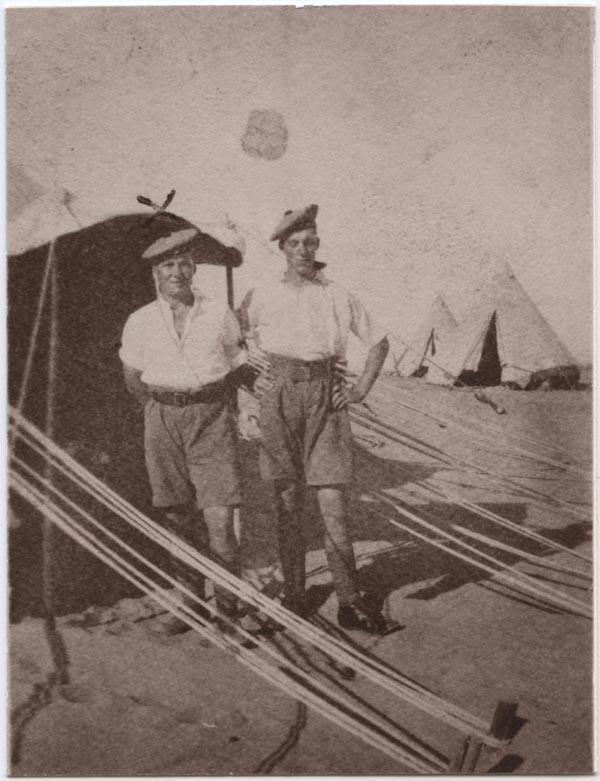
The British capture Jerusalem from the Turks
Church bells ring in London for the first time since the start of the war to celebrate the victory. Prime Minister Lloyd George had tasked General Allenby with capturing Jerusalem by Christmas. Allenby achieved his objective weeks ahead of schedule, dealing a devastating blow to Turkish forces.
achieved his objective weeks ahead of schedule, dealing a devastating blow to Turkish forces.
-
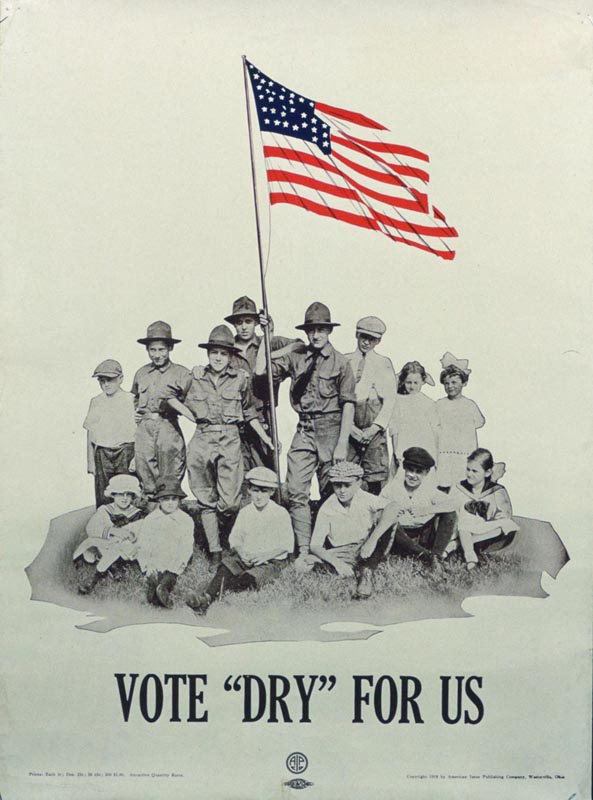
U.S. Congress passes ‘prohibition’ amendment
The Eighteenth Amendment outlaws the manufacture, sale, and transportation of alcoholic liquors. The law is sent to the states for ratification.
-
President Wilson outlines his Fourteen Points
The peace plan includes independence for Poland, restoration of Belgian independence, the return of Alsace-Lorraine to France, an end to secret diplomacy, autonomy of subject nationalities and the formation of a League of Nations.
“What we demand in this war is nothing peculiar to ourselves. It is that the world be made fit and safe to live in; and particularly that it be made safe for every peace-loving nation which, like our own, wishes to live its own life, determine its own institutions, be assured of justice and fair dealing by the other peoples of the world as against force and selfish aggression. The program of the world’s peace, therefore, is our program.”
– President Wilson, January 8, 1918 address to Congress
-
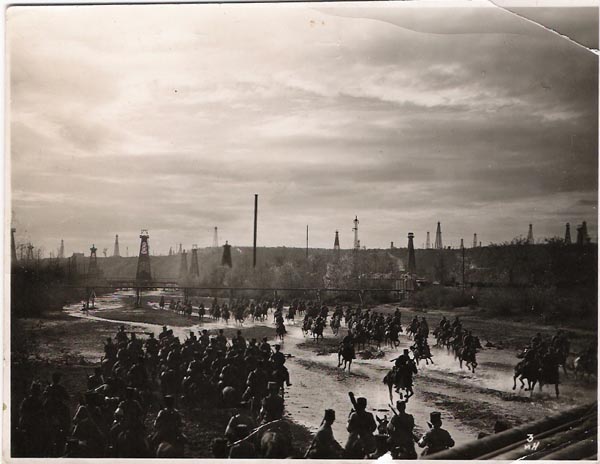
Treaty of Brest-Litovsk is signed between Russia and Germany
Treaty of Brest-Litovsk is signed by Soviet Russia and Germany. Germany sets harsh terms: Russia yields 34% of her population, 32% of her farmland, 50% of her industrial holdings and 90% of her coalmines. Bolshevik negotiator, Leon Trotsky, laments; “This is a peace that Russia, grinding her teeth, is forced to accept.”
-
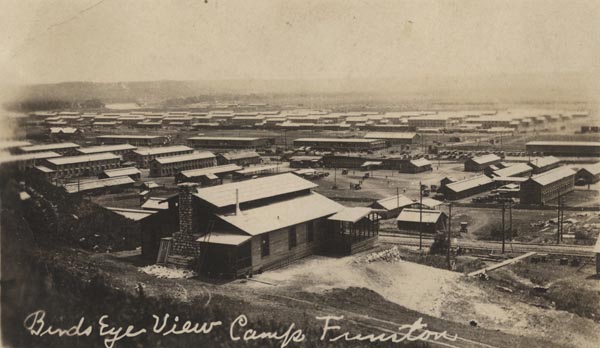
First report of influenza at Camp Funston (Ft. Riley) Kansas
The disease, known as the “Spanish flu,” spreads through contact or close proximity to infected persons. It is carried from the U.S. overseas on troop ships to the Western Front and then throughout the world. Over the next year, 550,000 Americans will die from the disease and more than 20 million worldwide.
-
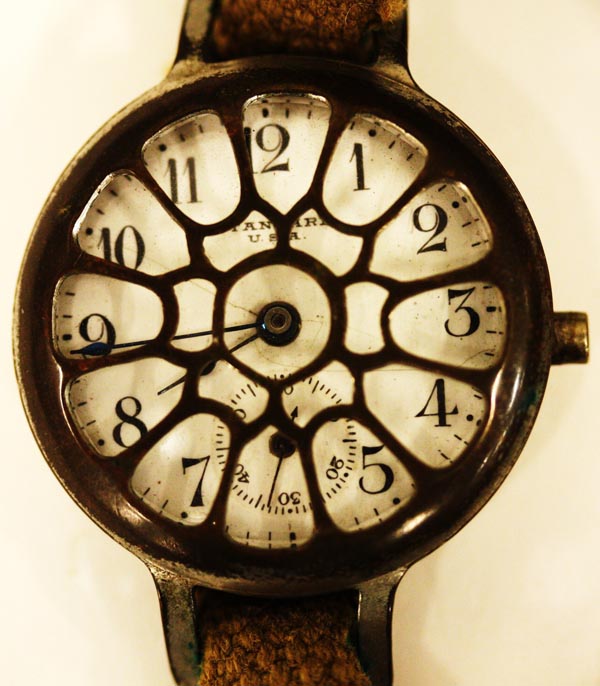
The U.S. begins daylight saving time
Clocks are set forward one hour. The Congressional Act for “saving” daylight accompanies food, fuel, and other conservation programs. Canada joins the U.S. in saving daylight on April 15.
-
Americans prevail in Battle of Cantigny
The U.S. 1st Division’s 28th Infantry Regiment mounts an assault on the German observation strongpoint in broad daylight. Within thirty-five minutes, the Doughboys have the village. The next day, desperate German counterattacks fail to dislodge the Americans.
-
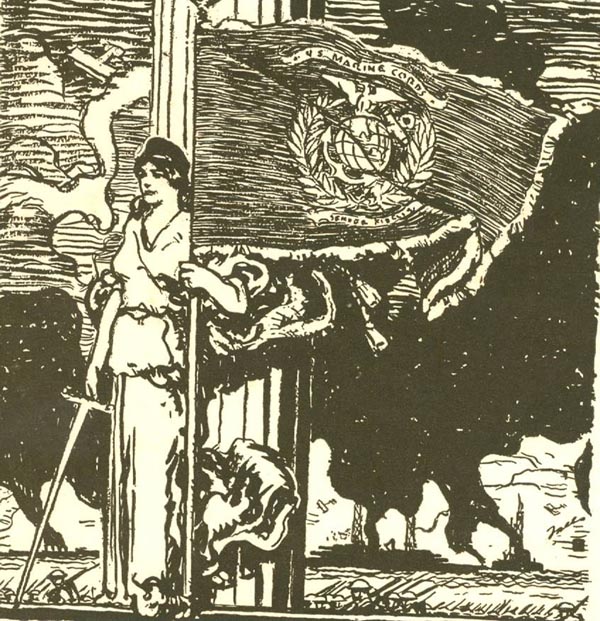
U.S. Marines launch attack at Belleau Wood
At Belleau Wood, U.S. Marines launch an attack against German storm troopers. Two battalions of Marines, along with army engineers and infantry, confront German storm troopers in a seesaw battle that continues through the month of June.
-
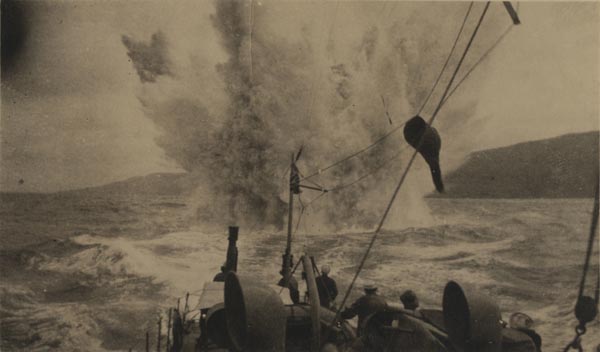
U.S. Navy begins laying mines in the North Sea Mine Barrage
By war’s end, the U.S. Navy places a total of 56,570 sea mines, helping to create a 300-mile barrier against Germany, stretching from Scotland to Norway. At least five U-Boats were sunk by the barrage and many others forced to waste valuable time avoiding the mines.
-
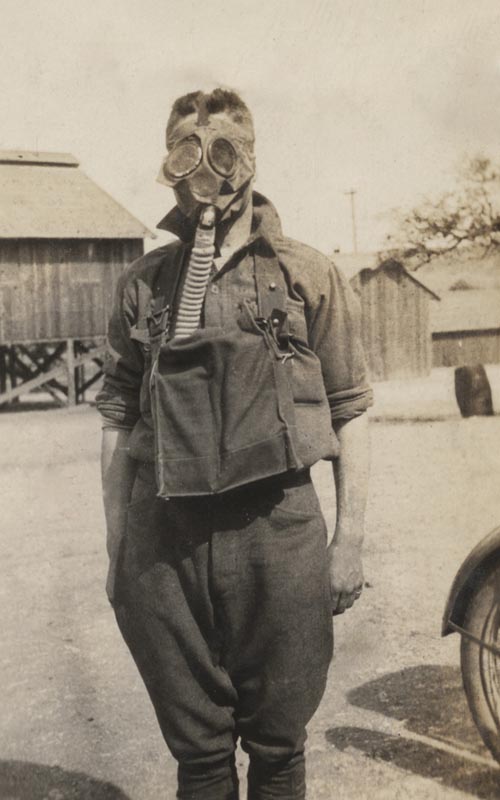
U.S. War Department authorizes Chemical Warfare Service
The CWS coordinates all aspects of chemical warfare including administration, research, gas defense, gas offensive, development and medical training.
-
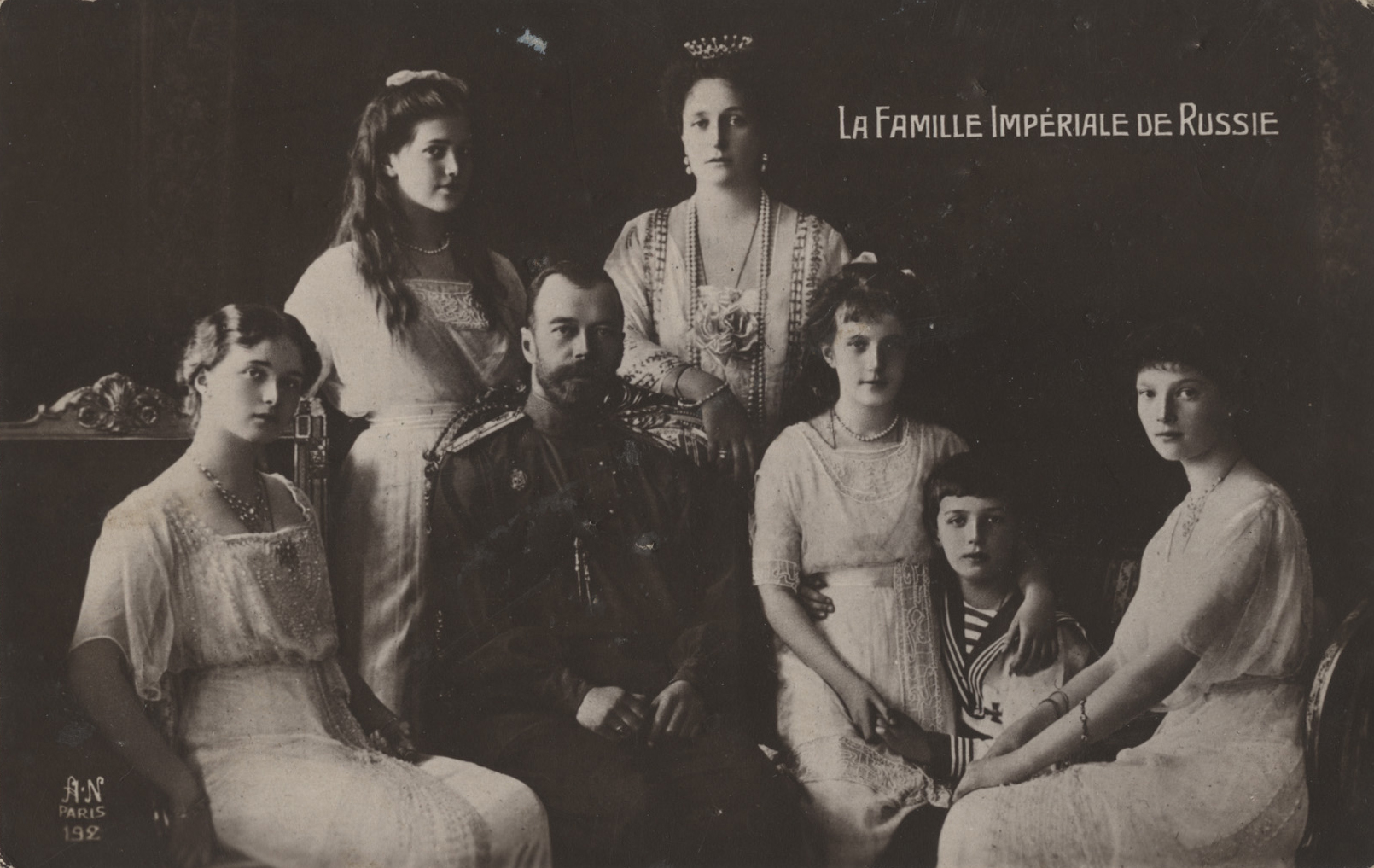
Bolsheviks murder the Czar of Russia
The former Czar Nicholas II, his wife and children, are shot by Bolsheviks at Ekaterinburg.
-
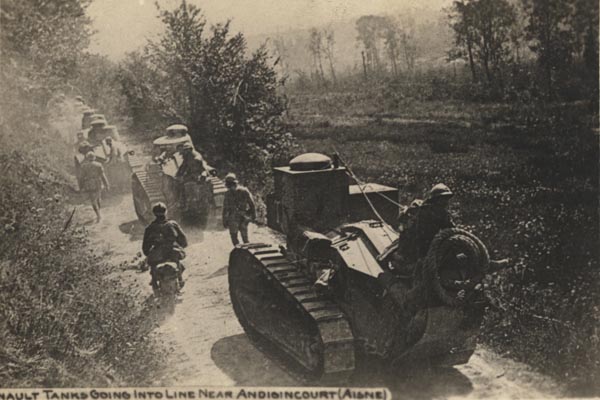
Allied Aisne-Marne Offensive
French and American forces of the 3rd, 28th, 32nd, and 42nd Divisions go ‘over the top’ on their offensive south of Soissons. Severe fighting along the Ourcq River establishes the reputation of the American fighting spirit. One example of this is shown by Private Sidney E. Manning, 42nd Division; severely wounded nine times on July 28, he still single-handedly breaks up a counterattack by accurate automatic rifle fire and secures his position. He will be awarded the Medal of Honor. American poet Joyce Kilmer is killed during the offensive. The French capture Courmont on July 27 and the campaign ends on Aug. 5.
-
Americans take offensive at St. Mihiel
From flank to flank, 665,000 Allied soldiers are assembled for this offensive. The 304th Tank Brigade, commanded by Colonel George S. Patton, draws the fledgling American tank corps’ first blood. By nightfall of the first day, most of the U.S. First Army stands on its second day’s objectives.
Watch video: From the Archives - Allied Troops & French Renault FT Tanks
-
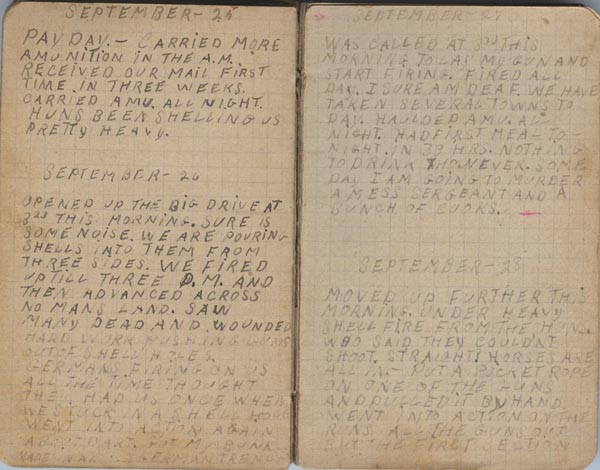
First phase of the U.S. Meuse-Argonne Offensive underway
Americans begin their most important battle of the war as part of Marshal Foch’s final offensive on Western Front. On the 26th, U.S. troops, on a twenty-mile front, advance between the Argonne Forest and Verdun, taking 12 towns and 5,000 prisoners. Throughout October, the Meuse-Argonne Offensive rolls through its Third, Fourth and Fifth Phases. The A.E.F. (American Expeditionary Forces) and Germans engage in a hard-fought seesaw battle. The Americans push forward through the central Argonne and break through the Hindenburg Line capturing Cunel, Romagne, and Grandpre (cities in France). By the end of the month, the A.E.F. is poised for a final assault on Sedan, France.
-
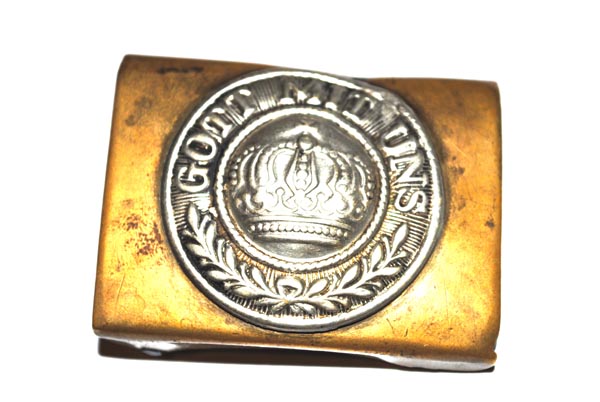
Germany requests armistice; Allies refuse
Through the neutral Swiss government, German Chancellor Prince Maximillian sends a note to President Wilson requesting him to restore peace through an immediate armistice with terms. The request is rejected.
-
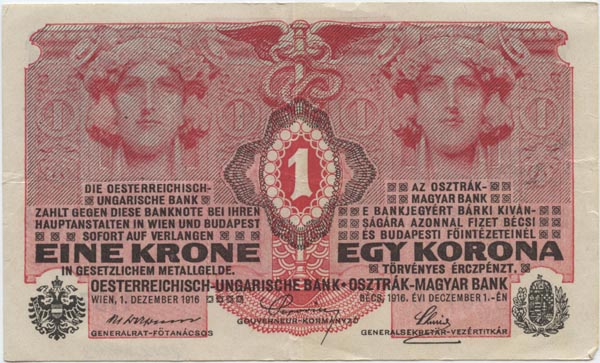
Hungary separates from Austria
Austria is proclaimed a “Federation” of German-Austrians, Czechs, Ukrainians, and Yugo-Slavs. On the next day, the Czechs seize Prague, renounce Hapsburg rule and Czechoslovakia is declared independent.
-
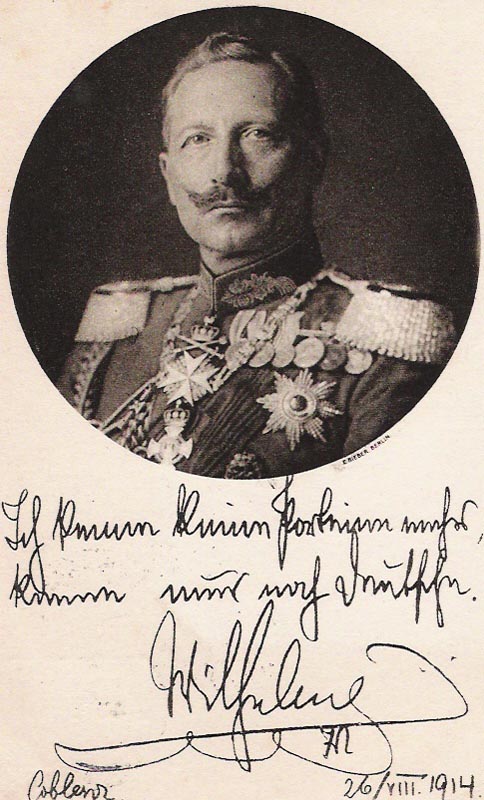
Kaiser Wilhelm II abdicates
German Republic proclaimed as Kaiser Wilhelm II abdicates. The next day, the ex-Kaiser and his entourage flee to Holland; they arrive at Eysden, on the frontier, at 7:30 a.m.
-
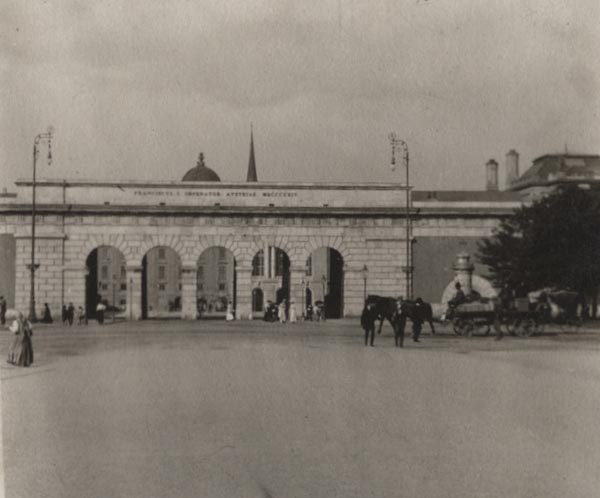
Emperor Karl of Austria abdicates
Austria accepted truce terms, including the immediate cessation of hostilities and evacuation on the Italian Coast on November 4. Six days later in Vienna, army aeroplane hangers are burned. Shootings occur in the streets of Salzburg. Reports state that the Austrian navy is scuttled by Jugo-Slav forces to prevent the Italians from seizing the ships
-
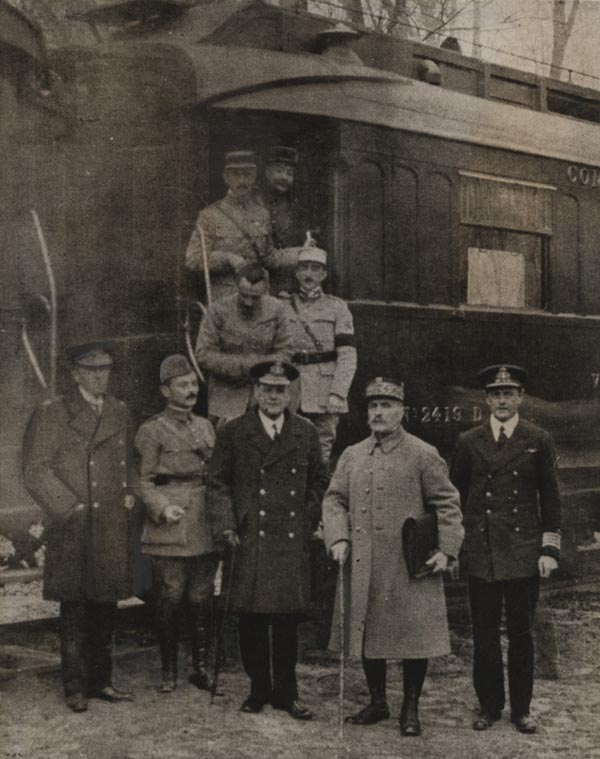
Germany signs armistice
Three days prior, German delegates were escorted through a devastated French countryside to a railway car in the Compiengne Forest, Marshal Foch’s Headquarters and were presented with terms of the Allied Armistice. Fighting ends on the Western Front Paris time 11:00 a.m. when Germany signs this armistice with the Allied Powers. The terms are harsh, intended to show German acceptance of defeat and to prevent any lengthy break for Germany to regroup and start military action again.
-
Lettow-Vorbeck surrenders in Rhodesia
Two weeks after the armistice, German Colonel Paul von Lettow-Vorbeck- considered one of the greatest single leaders in military history- surrenders his force of 175 European and 3,000 African soldiers. He has led a successful guerrilla campaign in East Africa for much of the war and with over 45,000 in opposition. He has never been conclusively defeated.
-
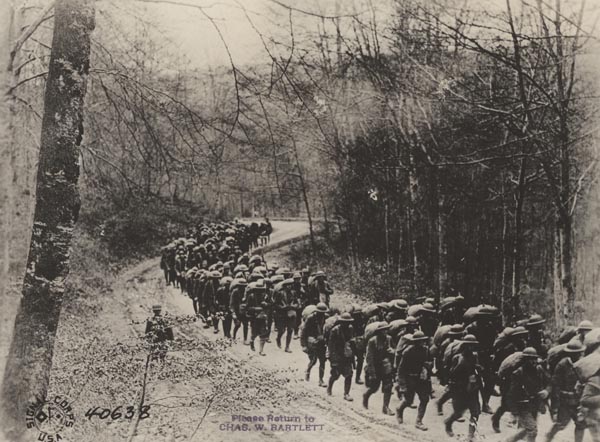
Advance Allied elements march from Luxembourg into Germany
The “Watch on the Rhine” is on. U.S. soldiers occupy the middle Rhine, with the French to the South, and Belgians and British to the north. The headquarters of the 1st Division on 4 December reported that the population seemed to take the occupation in a matter of fact way, displaying no open hostility, but only mild curiosity.
-
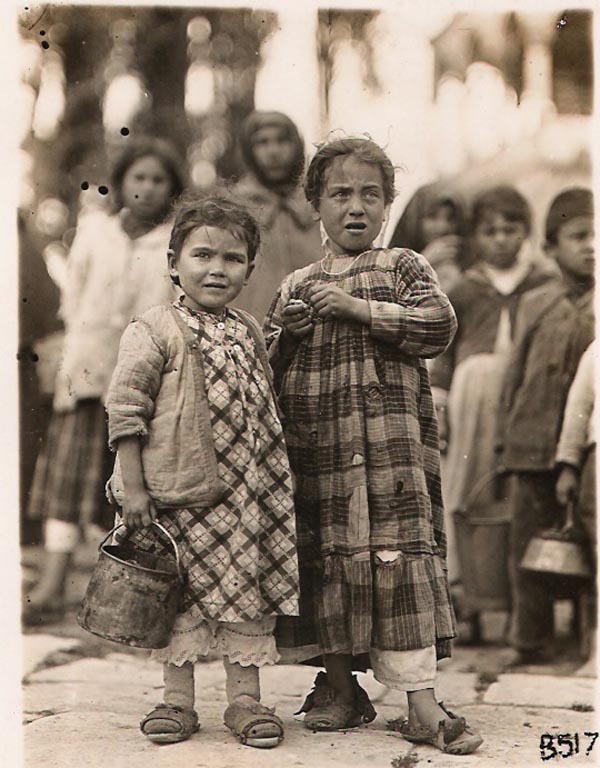
Yugoslavia proclaimed an independent state
The Kingdom of Serbs, Croats, and Slovenes is founded with a parliamentary government. In 1929, King Alexander I changed the name of the state to Yugoslavia - land of the southern Slavs. This state was made up of the formerly independent Kingdoms of Serbia and Montenegro; Croatia, Slavonia and Vojvodina from Hungary; Carniola, part of Styria and most of Dalmatia from Austria and the Crown province of Bosnia and Herzegovina. A provisional representation served as the parliament.
-
(AUDIO) President Wilson arrives in Paris for peace parley
Wilson receives an enthusiastic reception from the people of Paris; 10 days later he leaves for London to meet with British officials.
Then Assistant Secretary of the Navy, Franklin Delano Roosevelt expressed the same sentiments held by many Americans at the time of the peace parley in this 1920 recording accepting his vice-presidential nomination.
-
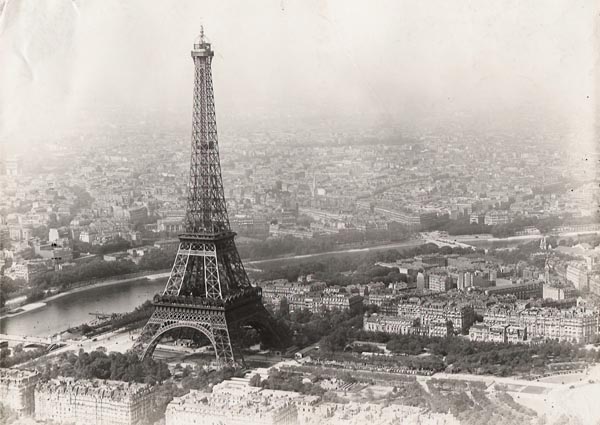
Peace conference convenes in Paris with preliminary meetings
Diplomats in top hats and long coats converge along the Quai d’Orsay from most of the Allied nations and the city is crowded with French soldiers wanting to be demobilized.
-
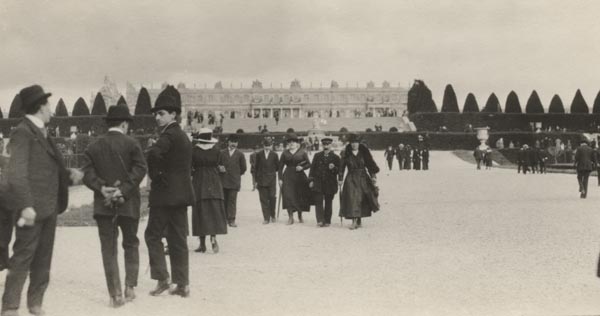
Proposed Constitution for the League of Nations is announced
The Preamble states that the League will exist to promote international cooperation and to achieve international peace and security through specific rules of conduct among the world’s governments.
-
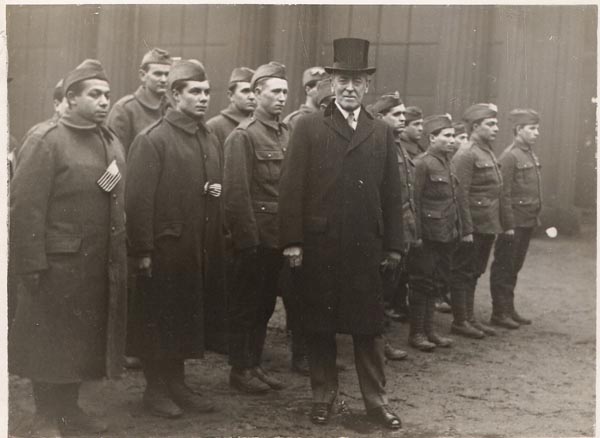
Final draft of peace treaty is presented to President Wilson
He knows that the treaty has flaws but believes the League of Nations can address unresolved issues and help avoid the horrors of another world war.
-
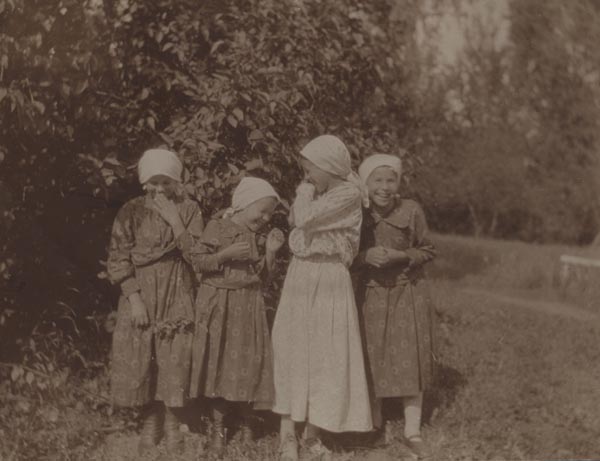
Germany and Allies sign the peace treaty
Representatives of Germany and the Allied and Associated Powers sign the Treaty of Versailles. The Chinese delegates refuse to sign in protest against the Shantung settlement that turns over German mines railroads and telegraph cables in China to the Japanese.
-
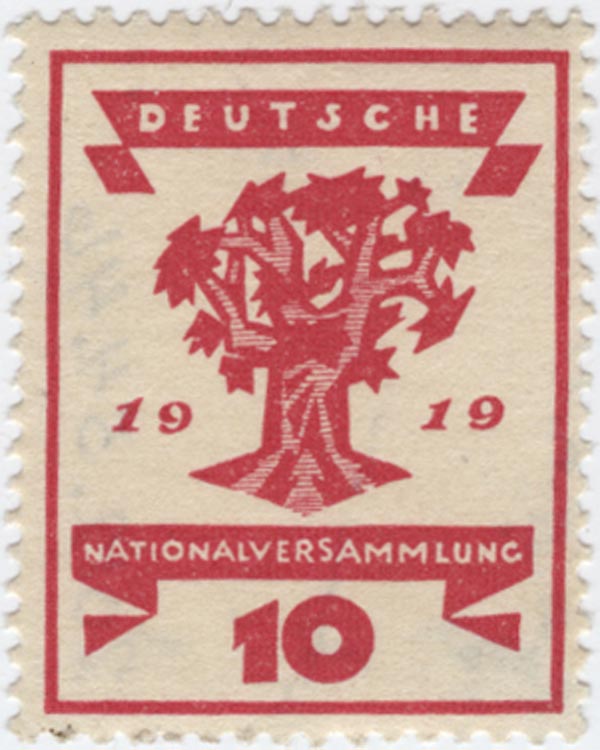
Germany ratifies Treaty of Versailles
Among many of the treaty measures, Germany cedes Alsace-Lorraine to France, recognizes Belgian sovereignty, disarms the military, and agrees to pay war reparations.
-
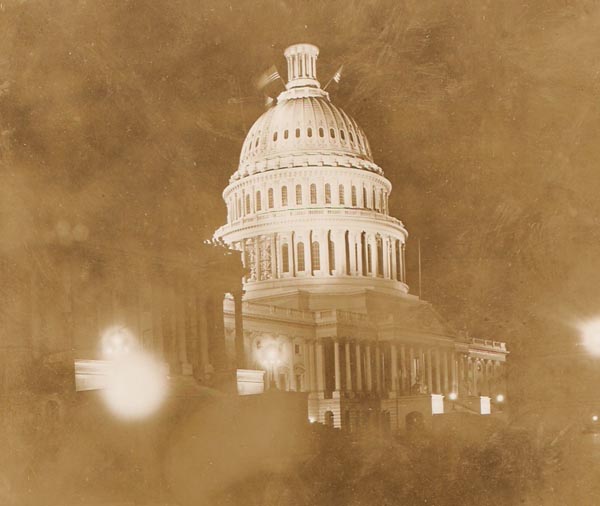
Treaty of Peace with Germany is submitted to the U.S. Senate
President Wilson submits the Versailles Treaty to the Senate and the great debate ensues.
-
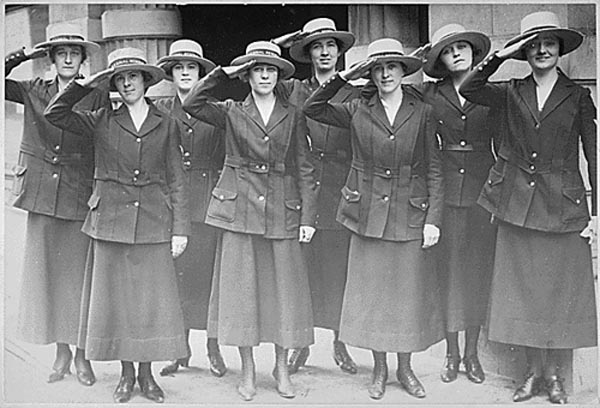
Women win the right to vote
Women’s suffrage amendment passes U.S. Congress in June 1919 and is ratified in August, 1920, giving American women the right to vote.
-
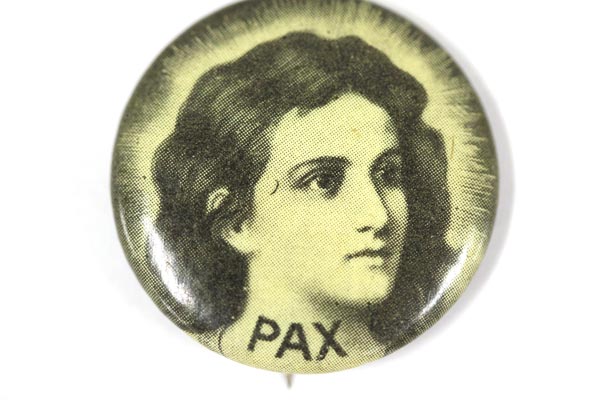
President Wilson tours U.S. to build support for Treaty
The President embarks on an 8,000-mile journey, giving 40 speeches in 29 cities in 22 days. He collapses from exhaustion and is rushed back to the White House. The following month he suffers a stroke.
-
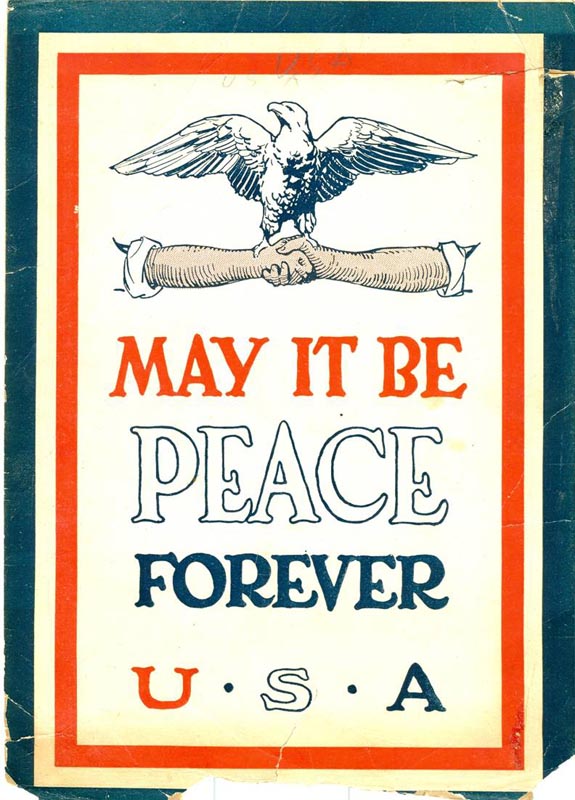
U.S. Senate refuses to ratify the Treaty of Versailles
Led by the “Irreconcilables,” 14 Republicans and one Democrat who have always opposed the League of Nations, and Henry Cabot Lodge who draws up reservations to add to the treaty, the ratification of the Treaty of Versailles is soundly defeated.
-
Treaty of Sevres ends the war on the Eastern Front with the Ottoman Empire
Again, the terms were harsh, as the Treaty divided the Middle East with a British-controlled Palestine and Iraq, French governed Syria and Lebanon, and an independent Kingdom of Hejaz (present-day Saudia Arabia).