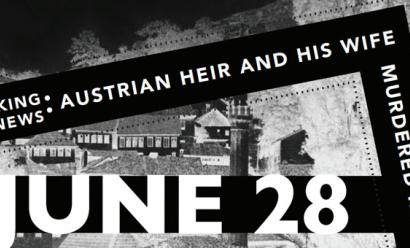

Written by Dennis Cross, this blog reviews the events of war one hundred years ago to the date. Each month, Cross creates a full article on the war's events with an extensive list of sources and...
Dennis Cross, Centennial Countdown to the Great War
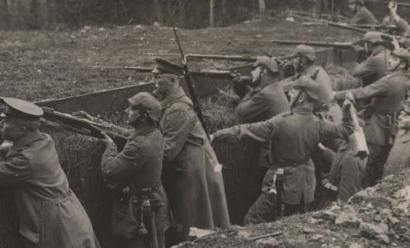
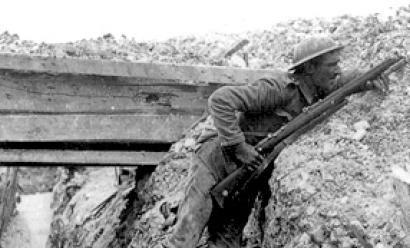
Why is WWI considered the first "modern" war? In this lesson, high school students will consider the advancement in technology and, specifically, adaptations of trench warfare based on technological advances through discussion, primary sources and a hands-on activity.
These documents, supported by the French Centennial commission, look at the U.S. entry to WWI and its continued impact through the specific story of Château de Chavaniac-Lafayette. Originally created...
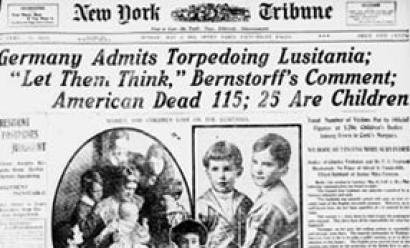
Tens of thousands of historic U.S. newspaper pages from 1836-1922 document world events and everyday American life, including the era of the First World War and its aftermath.
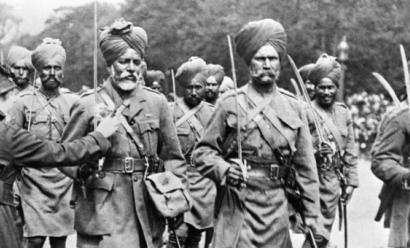
European colonies mobilized to assist with the war effort. After the Armistice, many colonists took hope from Woodrow Wilson's idea of "self-determination" from his Fourteen Points. This article...
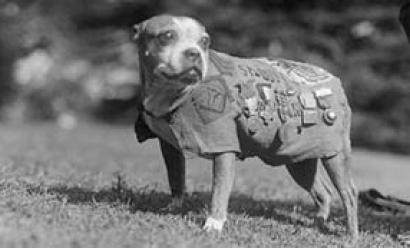
Horses, dogs and pigeons were some of the animals used most frequently by both sides during the War. In this video from The Great War Channel, host Indy Neidell describes in detail how these animals...
While the Armistice officially ended fighting on the Western Front, peace was not achieved on all fronts until 1923. This article from IWM highlights the surprising number of post-war conflicts,...
In this collaborative lesson, students will utilize their understanding of the history of WWI and the impact it had on individual young men and women in the war by creating personas of individuals...
How was the Middle East connected to the origins of WWI? What did war in the Middle East look like? How was the peace process different for the Middle East than it was for European nations? This...
This upper high school lesson looks at the Armenian massacres as a launching point for 20th century genocides. The primary focus of the project is to delve into the role the media plays in chronicling...
This episode of MacArthur Memorial's World War I Podcast series explores Dazzle paintings of ships. This jarring, brightly colored paint scheme helped camouflage ships and made it hard for U-Boats to...
This article by Tait Keller posted to "1914-1918 Online: International Encyclopedia of the First World War" examines the ecological impact of WWI, explaining in detail how large-scale environmental...
Germany's use of unrestricted submarine warfare, where U-boat submarines were used to sink both military and merchant ships without warning, was very controversial and provocative. Smithsonian...
The breadth of European imperialism - particularly of the British and French - stretched deep into Africa and Asia, introducing Western colonizers to a myriad of new textiles, patterns, and styles of...
President Woodrow Wilson created the Committee on Public Information (CPI) to mold Americans into one white-hot mass of war patriotism. Congress also passed the Espionage Act (1917) and the Sedition...